
Last updated November 22, 2026
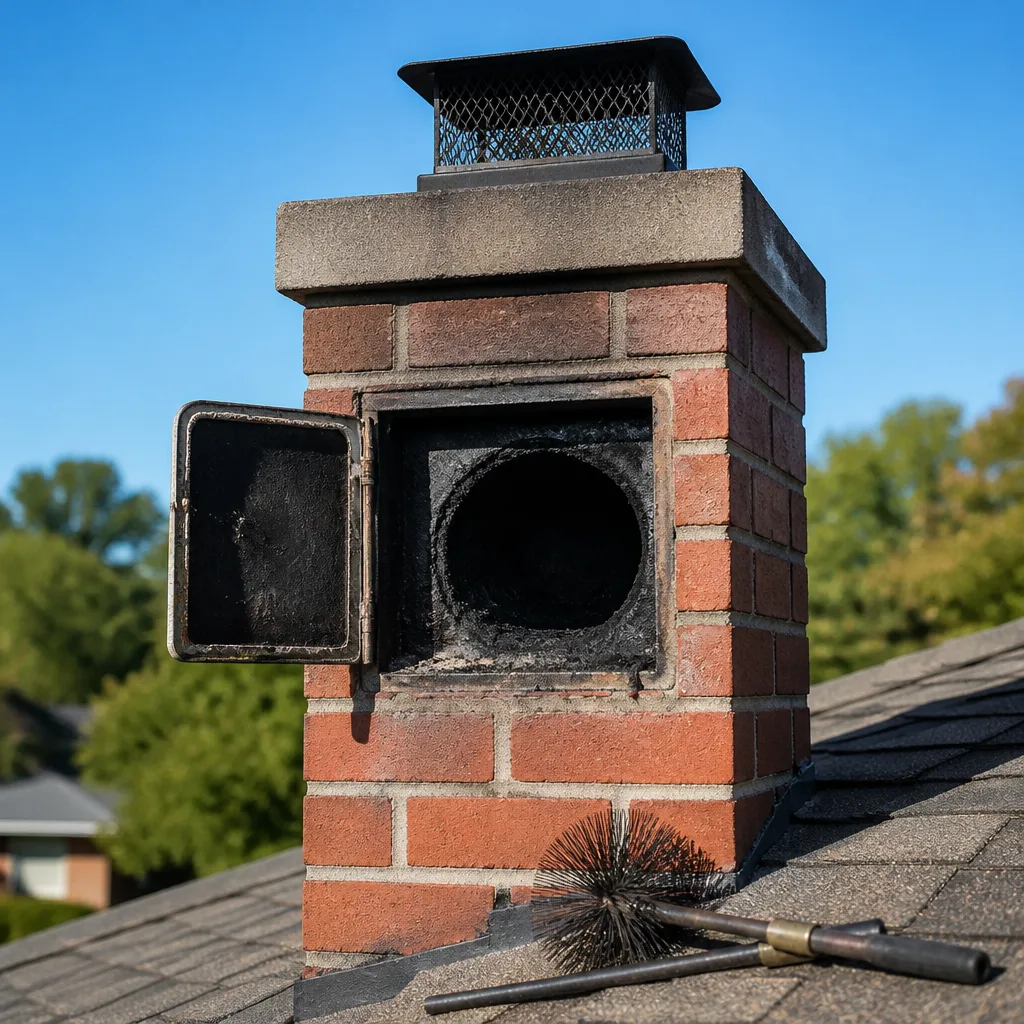 Sweep & inspection
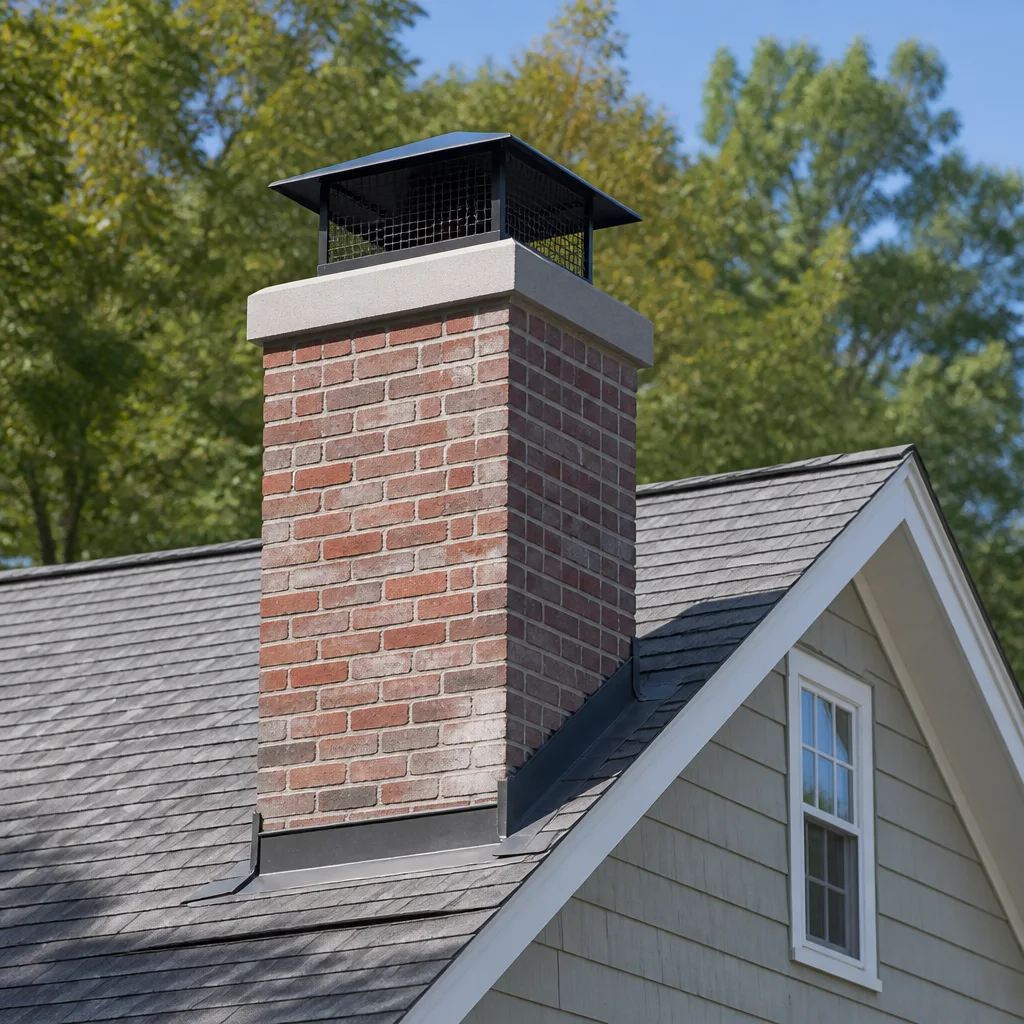 Caps & crowns
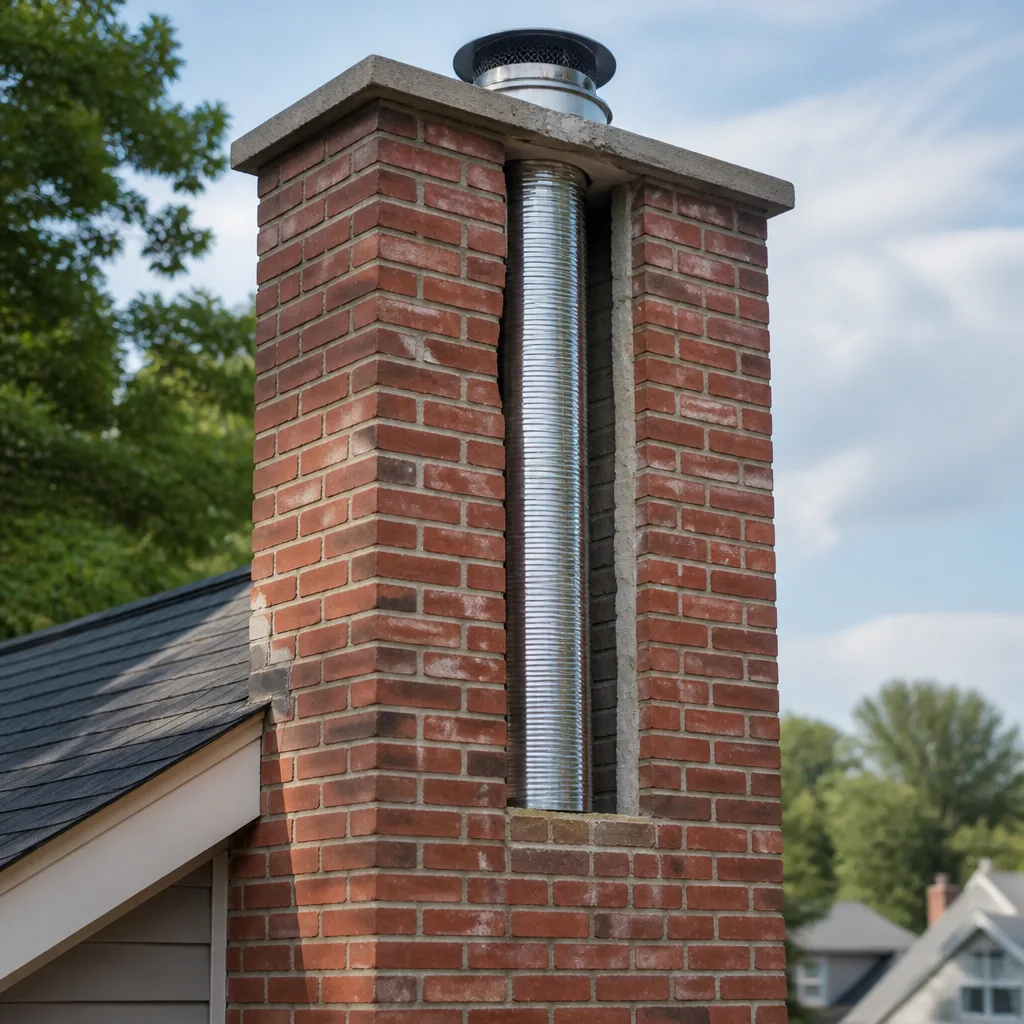 Flue relining
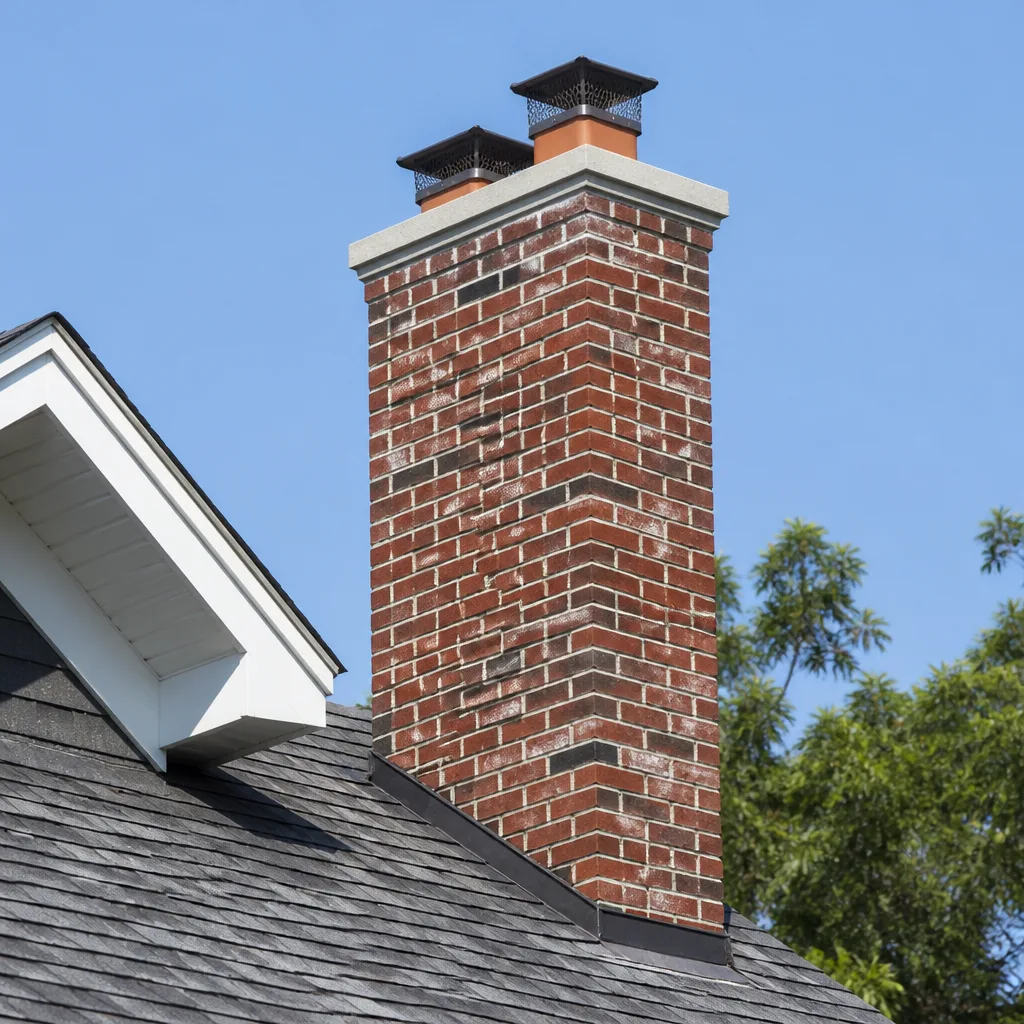 Masonry repair
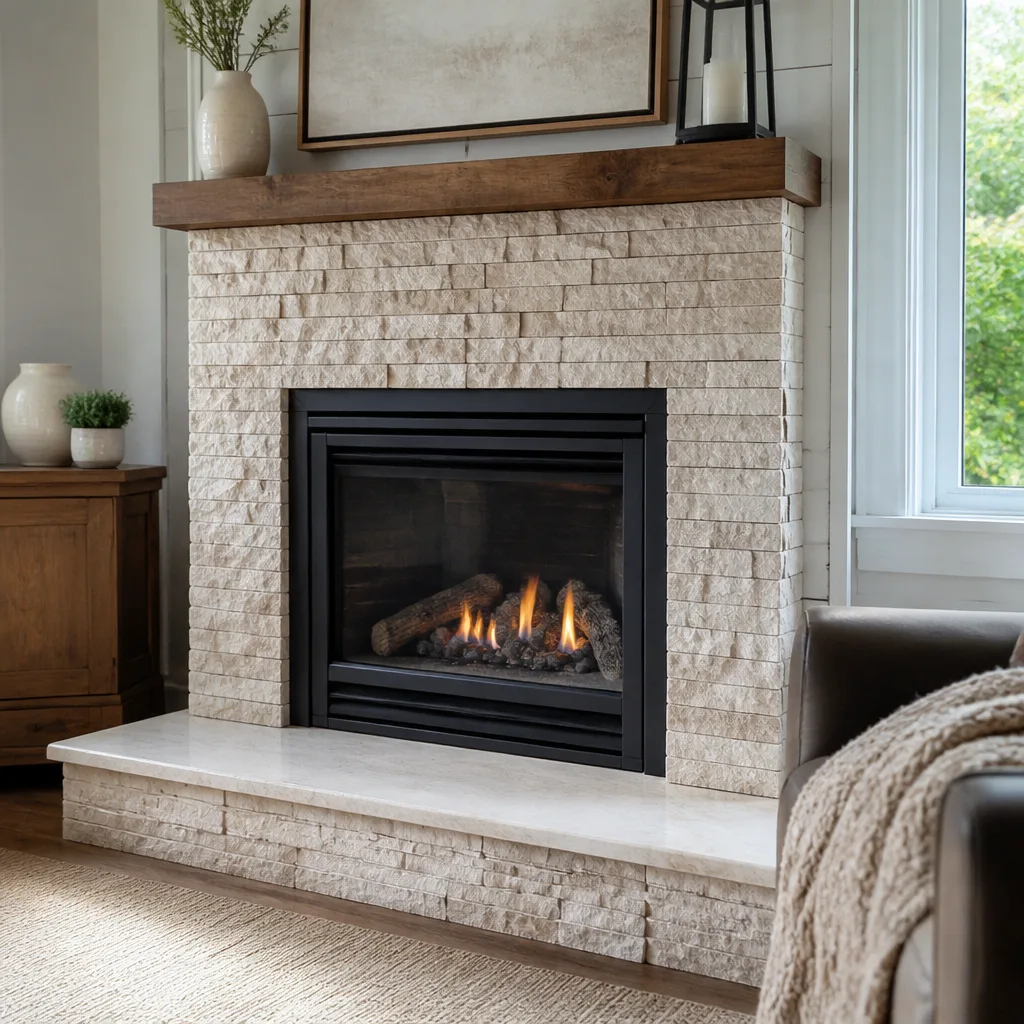 Gas fireplace service
Level 1 sweep and inspection to the NFPA 211 annual standard - flue, crown, cap, and flashing checked and photographed
Chimney sweep logs do not sweep chimneys. They loosen some creosote - which then falls where a brush and vacuum still have to collect it.
Chimney Cleaning Warning Signs: A University City Homeowner’s Reference Guide
A smoky fireplace and a campfire smell when there’s no fire in the firebox are both chimney warning signs, but they point to completely different failures. One is a draft problem. The other is chemistry happening inside creosote deposits you can’t see. Homeowners who treat these as the same issue end up paying for the wrong repair and living with the real problem for another season. In this guide, we decode the warning signs University City homeowners actually encounter, explain the mechanical cause behind each one, and show you what to check before you call anyone. You’ll learn how to tell a symptom from a cause, which signs can safely wait, and which ones need attention before the next burning season begins.
Styles & brands we work with
- Sweep & inspection
- Caps & crowns
- Flue relining
- Masonry repair
- Gas fireplace service
Quick Answer
The most reliable chimney cleaning warning signs in University City are smoke spilling into the room, a campfire or ashy smell when the fireplace isn’t in use, white staining on exterior masonry, rust on damper or firebox parts, and visible spalling or crumbling mortar. Each one points to a specific mechanical cause, not a single catch-all problem, so the sign should never be mistaken for the fix. A chimney sweep and inspection confirms what’s actually happening and whether cleaning, repair, or a liner solution is what your system needs.
Table of Contents
- Smoke in the Room: Draft Failure, Blockage, or Liner Failure?
- Campfire Smell in Summer: What Creosote Off-Gassing Tells You
- White Staining on Masonry: Efflorescence and the Moisture Path It Reveals
- Spalling Brick and Crumbling Mortar: Cosmetic or Structurally Urgent?
- Rusting Damper and Firebox: Why It Points Upward
- How to Assess Severity Before You Call
- The University City Seasonal Timeline for Chimney Checks
- What a Professional Diagnostic Looks Like
- Common Mistakes to Avoid
- When to Call a Professional
- Frequently Asked Questions
- The Bottom Line
Smoke in the Room: Draft Failure, Blockage, or Liner Failure?
Smoke spilling into a living room is the sign that gets homeowners to pick up the phone fastest, and it’s also the one most often misdiagnosed. Three completely different problems produce nearly identical symptoms, and each requires a different fix. Treating a draft problem with a cleaning, or a blockage with a new liner, wastes money and leaves smoke in your house for another season.
Here’s how the three causes break down:
- Draft failure happens when the fire isn’t pulling hard enough to overcome the pressure inside the house. A closed or partly closed damper, a cold flue that hasn’t warmed up yet, or negative pressure from a kitchen exhaust fan or a tightly sealed house can all push smoke backward. The classic signature: smoke appears when the fire first lights, then clears as the flue warms. Fixes include making sure the damper opens fully, cracking a window on start-up, or having a draft assessment done if the problem persists after the flue is warm.
- Blockage happens when something physical sits inside the flue. Creosote buildup is the most common cause, but birds, nests, and fallen leaves in a home that sat empty over University City’s humid summers are worth ruling out. A blockage acts like a plug. Smoke has nowhere to go, so it backs into the room regardless of how the fire is lit. The signature: draft gets worse over time, not better as the fire warms.
- Liner failure happens when the flue’s interior has cracked, separated at a joint, or corroded into a rough surface that catches smoke. Gas and oil appliances are especially prone to this. A failed liner is a safety issue as well as a performance one, because exhaust can escape into the house rather than going up the stack. Fixing it usually means relining, often with a flexible stainless system like DuraFlex so the installer can work around offsets in older University City homes.
Knowing which problem you’re looking at saves both money and time. If smoke clears as the fire warms, think draft. If it gets worse, think blockage. If the problem started suddenly in a system that always worked, a specialist should inspect the liner before anything else happens.
Campfire Smell in Summer: What Creosote Off-Gassing Tells You
A campfire smell in a house where no fire has been lit for months is one of the clearest Stage 2 creosote indicators a homeowner will ever get. The flue isn’t on fire. Something inside it is doing chemistry that only shows up when the temperature outside matches the temperature of the creosote deposits inside.
Here’s what’s happening: creosote forms in layers as smoke cools on its way up the flue. Light forms of it (soot and flaky crust) don’t smell much. But thick, glazed, hardened creosote – the Stage 2 and Stage 3 variety – contains volatile compounds that off-gas as temperatures warm. On a hot University City afternoon, the flue interior warms past the point that these compounds want to stay put, and the smell migrates down into the house through the firebox.
What matters for homeowners:
- The smell is strongest on warm afternoons and gone by morning. That’s the temperature signature. If the smell follows the heat of the day, it’s creosote inside the flue, not something dead in a crawlspace.
- It points to buildup well above Stage 1. A heavy creosote smell in the summer usually means the flue needs a professional sweep before the next burning season opens, not after.
- It’s a fire-risk signal too. The same deposits giving off the smell are the fuel that a chimney fire runs on. That doesn’t mean the chimney is dangerous right now. It means the buildup should come out before the next fire is lit.
Some homeowners mistake this smell for a draft issue or a dead animal. Others ignore it until fall. The right move is to call for a chimney sweep while the weather is still warm, so the flue is clean and creosote-free by the first cold night. A sweep in July is cheaper than a repair in November, and it gives you a photo and video record of what the inside of the flue actually looked like.
White Staining on Masonry: Efflorescence and the Moisture Path It Reveals
White, chalky staining on the outside of a brick chimney is called efflorescence, and it’s the masonry equivalent of a smoke alarm. The stain itself isn’t the problem. It’s a visible marker that water is moving through brick or mortar that should be dry. Painting over the stain hides the symptom and drives the moisture deeper into the masonry, which accelerates exactly the damage the stain was warning you about.
The moisture pathway that produces efflorescence follows a predictable route:
- Water enters the masonry from above or from the side. The most common entry point is a failed, missing, or undersized chimney cap, or water pooling on a crown that has cracked. Rain makes its way into the brick from the top, where it can do the most damage.
- Water travels through the brick’s pore structure toward the interior or the flue. Brick isn’t a barrier. It’s a sponge with a slow wicking rate. Once inside, water carries dissolved salts from the mortar.
- Water reaches the surface and evaporates, leaving the salts behind. That’s the white powder or crusty stain you see. If the chimney is painted or sealed with a non-breathable coating, the salts have no way out and can push the brick face off instead.
- Freeze-thaw cycles do the real damage. University City sees enough freezing nights in winter that water trapped inside brick expands and contracts through the season. Each cycle loosens the brick surface further.
The right response to efflorescence isn’t a fresh coat of paint or a masonry sealer from a home store. It’s finding where the water is getting in. In most University City homes, that means inspecting the chimney cap and crown first, then looking at the flashing where the chimney meets the roof and the mortar joints for cracks. Fix the source, and the staining stops reappearing. Chimney cap and crown work is often the fix, and we treat it as preventive engineering rather than an upsell, because a properly built crown and a correctly sized cap protect the entire chimney system above the roofline.
Spalling Brick and Crumbling Mortar: Cosmetic or Structurally Urgent?
Spalling brick – brick faces that have popped off, flaked, or crumbled to expose the softer interior – is the most misunderstood warning sign on a chimney. Some spalling is cosmetic. Some of it is a sign the chimney is losing structural capacity. The difference comes down to how much of the brick face has been lost, how many bricks are affected, and how quickly it’s progressing.
Here’s a practical way to assess severity from the ground, which is where most homeowners see it first:
- One or two isolated bricks on one face, no deeper than the surface crust, mortar joints intact: cosmetic in the short term. It should be on the watch list and inspected during the next annual visit, but it isn’t urgent.
- Brick faces peeling across multiple courses on one side, with mortar still holding: developing. The moisture pathway feeding it needs to be found before it spreads to more of the chimney.
- Brick faces gone, inner brick exposed and soft, mortar joints crumbling out between bricks, staining visible in the gaps: structurally urgent. At that point the chimney needs repair, and in some cases rebuilding a section above the roofline. Freeze-thaw damage and years of water intrusion usually drive this pattern.
Crumbling mortar joints are the same story told in the vertical seams. Raked-out mortar that crumbles when you touch it, or joints with visible cracks wider than a hairline, allows water straight into the wall cavity. Repointing the joints restores the seal. Leaving them alone lets the water do the same spalling damage to the brick itself. The chimney repair work often solves both problems in one visit, and it’s one of the reasons we recommend looking at the whole chimney system rather than just the firebox.
Rusting Damper and Firebox: Why It Points Upward
Rust on a damper, a firebox grate, or the metal edges of a fireplace assembly almost never comes from the fire. It comes from above. When a homeowner opens the firebox and sees orange-brown scale on metal parts that haven’t seen a fire in months, the diagnostic chain runs from that rust up through the flue to the cap and crown, not from the fire down.
Here’s how the chain typically plays out:
- Water is entering the top of the chimney. The most common sources are a missing or damaged cap, a cracked crown, or a failed mortar joint near the top of the stack.
- Water runs down the interior of the flue. In a straight flue, it hits the smoke shelf or the top of the damper. In an offset flue, it runs until it hits a joint that catches it, then drips into the firebox from above.
- Metal inside the firebox stays damp. A damper that sits in the cold, damp firebox during University City’s humid summer gets a fresh coat of moisture every time it rains. Over a few seasons, that rusts.
- Rust follows the moisture. If the cap and crown are sound and the flue is dry, the damper stays bright. If the cap or crown has failed, the damper rusts. So rust is a reliable indicator that the top of the chimney system needs inspection.
Some surface rust on a cast-iron grate is normal and not worth a call by itself. Rust that reappears every spring, or rust along the damper frame and the firebox metal, is the sign that water is getting in. The fix is usually above the roofline. We install capped and sealed crowns and correctly sized caps in Copperfield and olympia chimney components so the top of the system is watertight and stays that way. This is exactly the kind of diagnostic sequence we work through on every inspection – reading the symptoms in the firebox, then working upward until we find the entry point.
How to Assess Severity Before You Call
Not every warning sign needs a same-week response. Some are cosmetic. Some are seasonal. Some are urgent. Before you call anyone, a short self-assessment helps you describe the problem clearly and know how quickly the work needs to happen.
Work through these questions in order:
- Is smoke coming into the room? If yes, stop using the fireplace until the chimney is inspected. Smoke means exhaust isn’t leaving through the flue, and exhaust carries carbon monoxide.
- Is there a smell of fire when there’s no fire? If yes, the flue has creosote buildup worth cleaning before the next burning season. Not urgent this minute, but don’t put it off into cold weather.
- Is there white staining, spalling, or crumbling mortar visible from the ground? Look at the severity scale above. Isolated staining or one or two brick faces: watch it. Crumbling joints across a section: book a repair. Exposed inner brick and soft masonry: urgent.
- Is there rust inside the firebox, or water in the firebox when it rains? Yes to either means the cap or crown needs to be checked. Book an inspection before the next storm.
- Has the chimney been swept in the last 12 months of active burning? If not, book a chimney sweep and a Level II inspection together. The sweep clears the flue. The inspection tells you what, if anything, needs repair.
Notice that none of these questions require you to climb a ladder, open a damper, or look down a flue. Most of the warning signs this guide describes are visible from the ground, from inside the firebox, or from the smell in the living room. That’s the point. The chimney tells you when something is wrong without requiring you to climb on the roof to hear it.
The University City Seasonal Timeline for Chimney Checks
University City’s climate has a distinct rhythm that shapes when chimney problems show up and when they should be dealt with. Warm, humid summers, freezing winter nights, and a shoulder season in between. Knowing the calendar helps you separate a symptom that can wait from one that needs attention now.
Spring: This is when creosote smell becomes noticeable. You stop using the fireplace, the house warms up, and the volatile compounds in Stage 2 and Stage 3 creosote start to off-gas. A campfire smell in the living room in April is the most common springtime chimney call we get. The right response is a sweep and inspection before the summer heat peaks.
Summer: Warm, humid air combined with an unused firebox is the perfect environment for rust to form on a damper that shouldn’t be getting wet. If you see rust appear this time of year and you haven’t used the fireplace for months, the moisture source is above. This is also the best window of the year to book repair work – the chimney is dry, the weather is cooperative, and the schedule is open.
Fall: This is when you check the cap and crown before the first freeze. It’s also when you look up at the chimney from the ground and take stock of brick faces. Any spalling or staining noticed in fall has time to be addressed before the first cold snap.
Winter: Freeze-thaw cycles do the real damage to brick that already has water in it. Once the temperature drops and stays down, repair work becomes harder to schedule and less effective to complete. The warning signs you ignored in fall become the repair calls of January.
The point of following the calendar is that it moves the work out of the expensive, inconvenient months and into the dry, open months. A chimney cap & crown repair done in August costs less hassle than the same repair needed in January, and it protects the chimney through the whole winter freeze cycle.
What a Professional Diagnostic Looks Like
A chimney diagnostic isn’t the same as a sweep, and it isn’t the same as a repair. The best way to think about it is a three-step sequence where each step tells you whether the next one needs to happen. Understanding what the process involves removes most of the uncertainty that leads homeowners to delay calling.
Here’s what a full diagnostic looks like:
- Sweep the flue. A proper sweep uses brushes and rods, or in some cases a rotary system, to clear soot and creosote from the flue so the inspector can actually see the interior. Sweeping first is essential – you can’t inspect what you can’t see.
- Run a Level II inspection with a camera. The camera goes up the flue and shows the inspector the joints, seams, and interior surface. That’s where cracked tiles, gaps in mortar, and unexpected offsets show up. We recommend recording the inspection so the homeowner has a copy of what was seen.
- Diagnose the symptom you called about. If you called because of smoke, the technician looks for draft failure, blockage, or liner damage. If you called because of creosote smell, the technician measures the creosote stage. If you called because of rust or staining, the technician works up to the cap and crown. The symptom drives the diagnostic.
The result of a diagnostic is a written report, with photos, of what was found and what it means. If the flue is in good shape, no repair is recommended. If the liner needs relining, we’ll explain the options – a flexible stainless system in DuraFlex, for example, or a heat shield ceramic resurfacing when the liner is intact enough to be restored rather than replaced. HeatShield resurfacing is often the more cost-conscious choice for a flue with a sound structure but a rough interior, and it’s a capability many single-service sweep companies simply don’t offer. From the firebox floor to the chimney crown, we service the entire system, so a homeowner doesn’t get handed off to a separate contractor for the repair half of the job.
What we won’t do is tell you a repair is needed without showing you why. Every recommendation comes with a photo or video of what the technician saw. If work can safely wait a season, we say so. If it can’t, we say that too.
Common Mistakes to Avoid
- Treating smoke in the room as a single problem. Draft, blockage, and liner failure are three different fixes. If a sweep clears the flue and smoke still comes into the room, the fix is somewhere else. Call for a diagnostic rather than repeating the sweep.
- Painting over efflorescence. The stain is a symptom, not a finish issue. Paint traps moisture inside the masonry and accelerates the spalling that the stain was warning you about.
- Assuming rust means the firebox is old. Rust inside the firebox almost always means water is entering above. The damper may be fine. The cap or crown is the more likely problem.
- Waiting until the first cold week to schedule a sweep. University City schedules tighten in cold weather. A sweep booked in September is easier, and any repair work it reveals has time to be done before the first freeze.
- Burning wet or “seasoned” wood that isn’t actually seasoned. Wood with visible moisture leaves more creosote in the flue than dry wood does. If your wood sizzles when it hits the fire, it’s not dry enough.
- Skipping the camera inspection because the chimney “looks fine.” The exterior can look fine while the liner has cracks. Views from the ground don’t reach the interior. A camera inspection is how you know what’s actually there.
- Hiring a general handyman for masonry or liner work. Liner relining and crown work are specialist tasks. DuraFlex relining and HeatShield resurfacing require specific product knowledge and installation methods to work correctly. A generalist can damage a chimney while trying to repair it.
When to Call a Professional
Call a professional anytime smoke enters the room, anytime the firebox smells of fire when the fireplace isn’t in use, and anytime you see white staining, spalling brick, crumbling mortar, or rust inside the firebox that returns every season. These are the warning signs that don’t resolve themselves and often point to water entry or creosote buildup that needs a specialist’s eye. Carbon monoxide is the underlying reason not to ignore any of them – a compromised flue can let exhaust into the house rather than out of it.
If you’ve had the chimney swept within the last year of regular burning and none of the signs above are present, a routine visit at the start of the next season is usually enough. If the chimney hasn’t been swept in more than a year of active use, book a sweep and Level II inspection together. Chimney Sweep University City offers free estimates in University City – call (855) 658-5324. We answer 24/7. Fast dispatch from 7am to 7pm, Sunday through Friday. The estimate is free and the written price is what you pay.
Frequently Asked Questions
The most common chimney cleaning warning signs in University City are smoke spilling into the room, a campfire smell in the house when no fire is lit, white efflorescence staining on exterior masonry, rust on the damper or firebox, visible spalling or crumbling mortar, and creosote buildup that can be seen with a camera inspection. Any of these is reason enough for a sweep and inspection. Call (855) 658-5324 for an exact diagnosis.
A campfire smell in summer usually means Stage 2 or Stage 3 creosote is off-gassing from inside the flue as the weather warms. The buildup is thick enough that volatile compounds in the hardened creosote release when the flue interior reaches a certain temperature, and those compounds travel down through the firebox into the house. The smell itself is harmless, but the deposits it points to are the fuel for a chimney fire. Book a sweep before the next burning season – call (855) 658-5324 for an exact quote.
Efflorescence itself isn’t dangerous, but it’s a reliable sign that water is moving through masonry that should be dry, and continued water intrusion leads to spalling brick and structural damage over time. The correct response is to find and fix the source of the water – usually the chimney cap or crown – rather than to paint or seal the stain. An inspection will show exactly where the water is getting in.
A chimney should be swept every 12 months of active burning, or more often if you burn heavily or notice any of the warning signs in this guide. University City homeowners who heat primarily with wood often need a sweep at the end of each season. If the flue shows Stage 2 creosote at the last inspection, the next sweep should come sooner rather than later. Call (855) 658-5324 for an exact quote on a sweep and inspection.
Rust on a damper with no recent fire almost always means water is entering the chimney from above and running down the flue. The usual culprits are a missing or damaged chimney cap, a cracked crown, or failed mortar joints near the top of the stack. The rust is the visible symptom, not the cause. An inspection that starts at the firebox and works upward to the cap and crown usually finds the source in one visit.
No. Painting over efflorescence traps moisture inside the masonry and accelerates the spalling damage the stain was warning you about. The stain should be treated as a diagnostic symptom, and the fix should address the water source rather than the surface. Once the cap, crown, or mortar joints are repaired and the masonry is dry, the staining can be addressed as a cosmetic matter.
The Bottom Line
Every chimney warning sign corresponds to a specific mechanical cause, and the sign is never the fix. Smoke in the room means one of three failures – draft, blockage, or liner damage. A campfire smell in summer means creosote is off-gassing. White staining means water is moving through masonry. Spalling and crumbling mortar mean the moisture is doing structural damage. Rust in the firebox means water is entering from above. Read each sign as a clue about the cause, not a call for a single repair. If any of them shows up in your University City home, book a sweep and inspection before the next cold week, and get a written, photographed account of what’s actually happening in your chimney.
Chimney Sweep University City provides full-system chimney care – chimney sweeping, inspection, fireplace repair, cap and crown work, and structural chimney repair – so a homeowner doesn’t have to coordinate multiple contractors to solve one problem. We install DuraFlex liners, apply HeatShield ceramic resurfacing, and cap chimneys with Copperfield and Olympia components when the diagnosis calls for it. If you’ve spotted any of the warning signs covered here and want a straight answer on whether they need attention now, call (855) 658-5324 for a free estimate. We answer 24/7. Fast dispatch from 7am to 7pm, Sunday through Friday. Our technicians have up to 8 years of experience, and every recommendation comes with a photo of what we found so you can see it for yourself.
Written by the team at Chimney Sweep University City.
See the difference
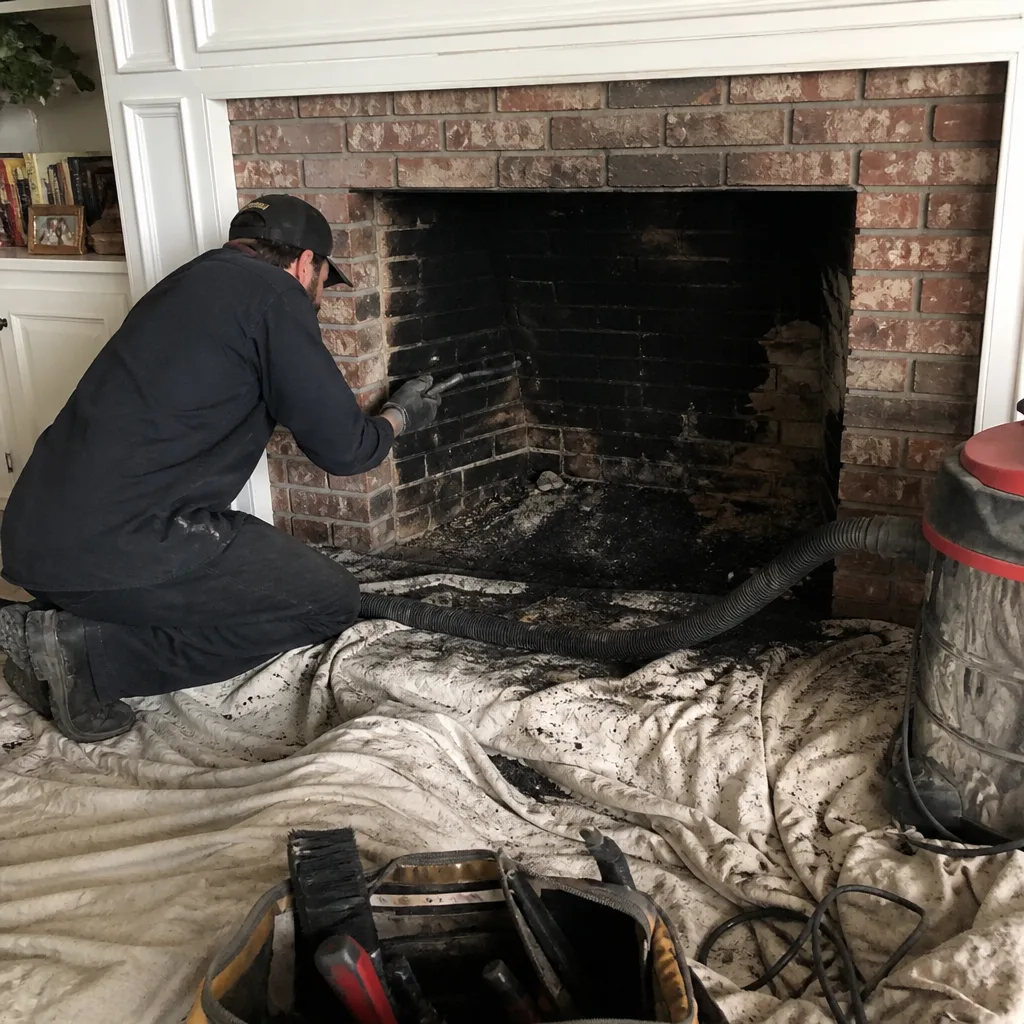 Before
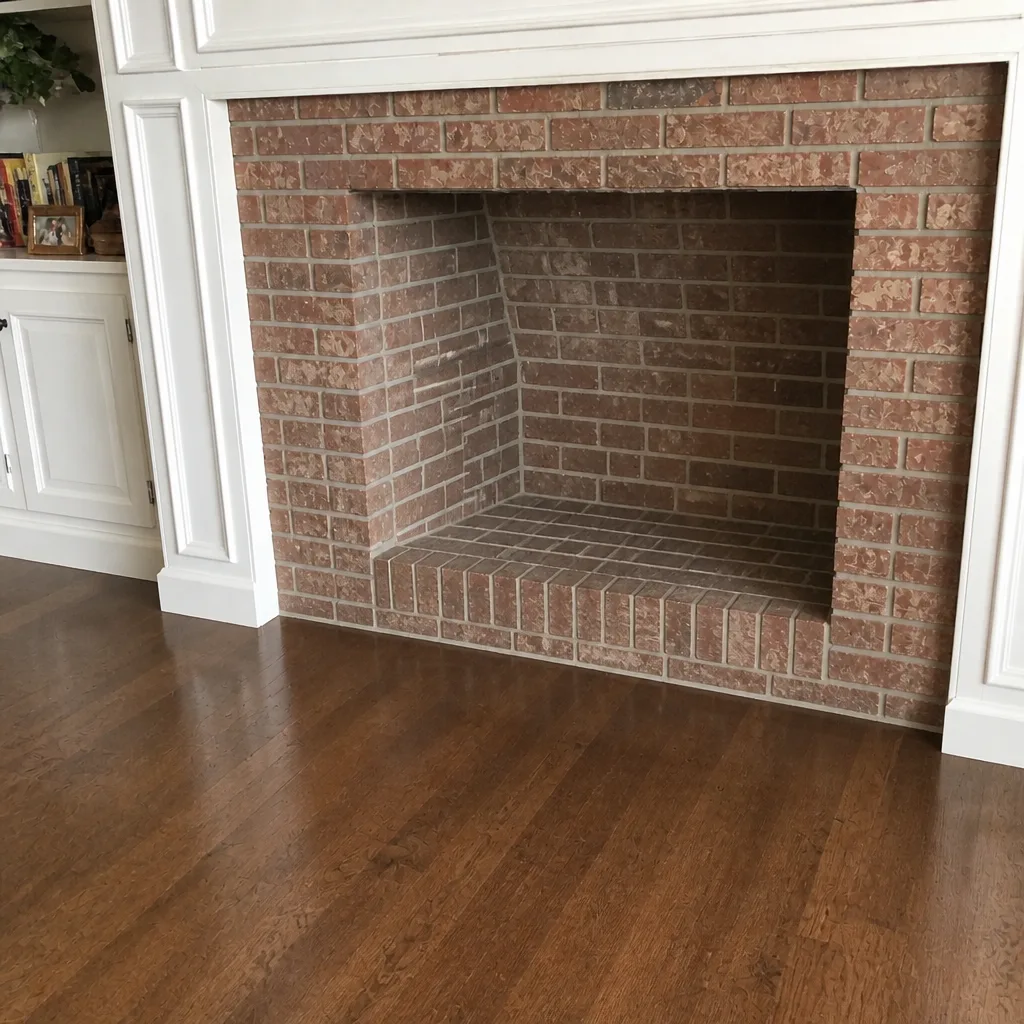 After
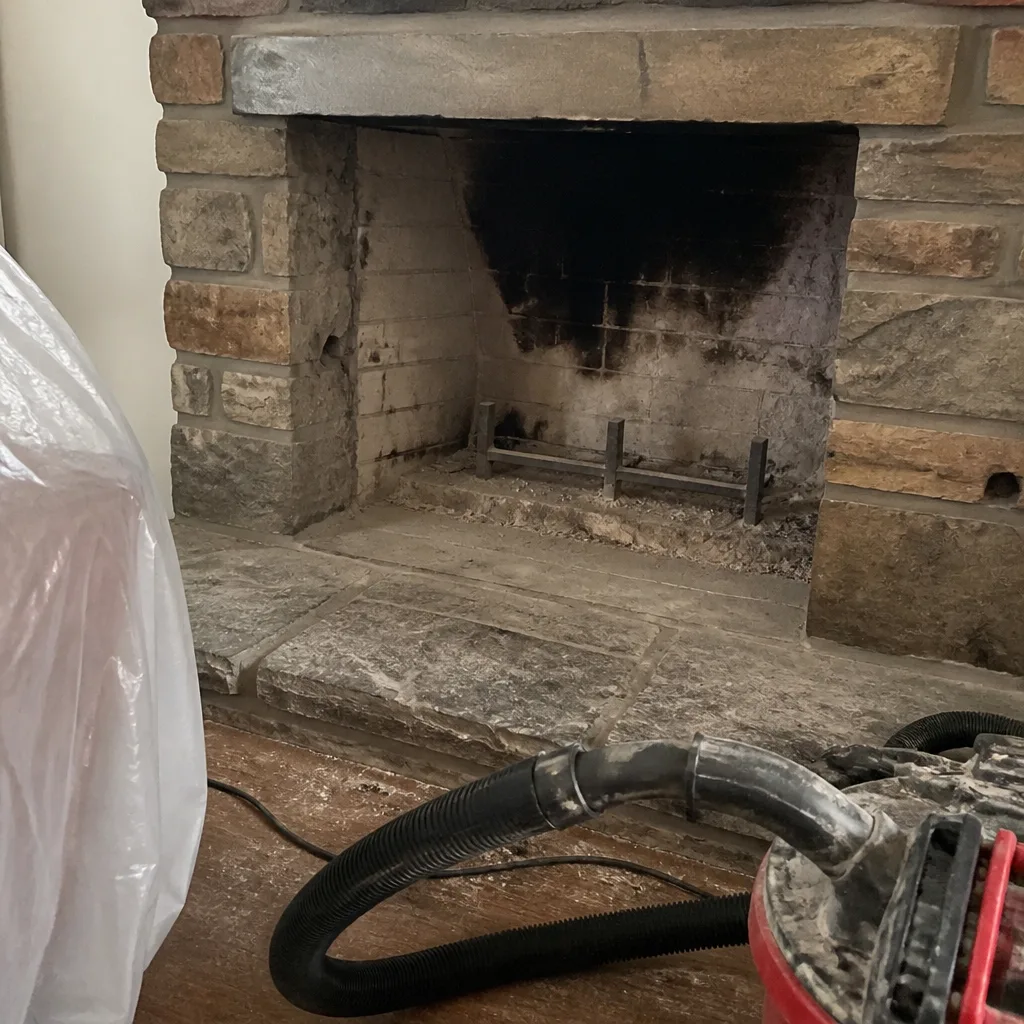 Before
 After
 Before
 After