
Last updated November 22, 2026
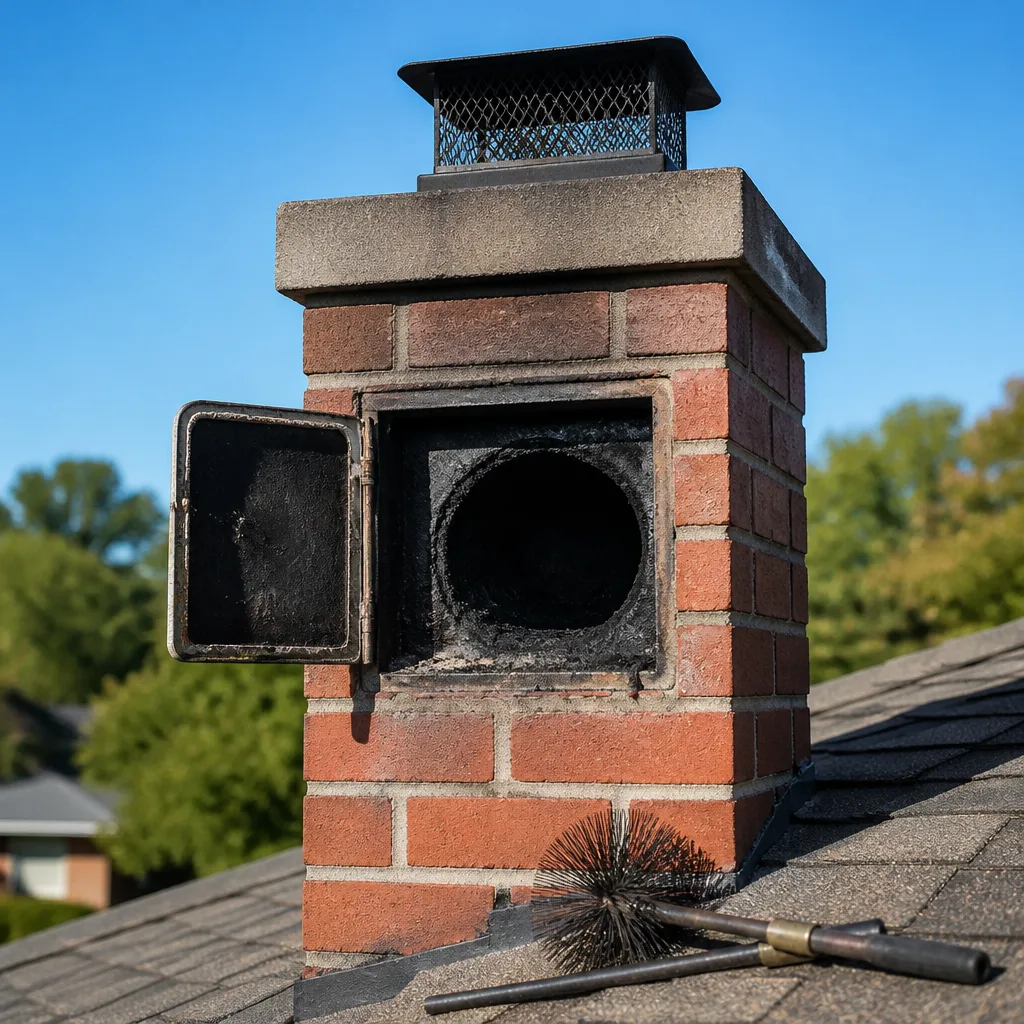 Sweep & inspection
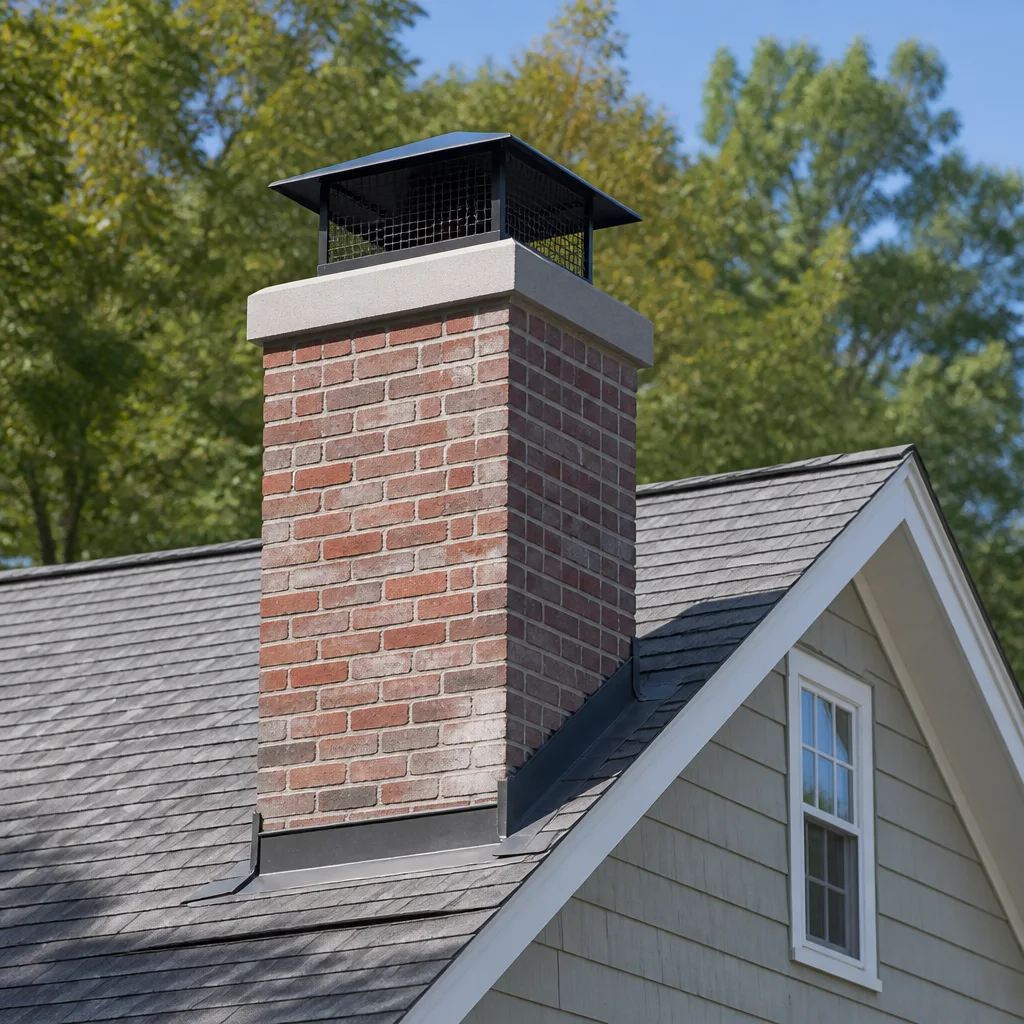 Caps & crowns
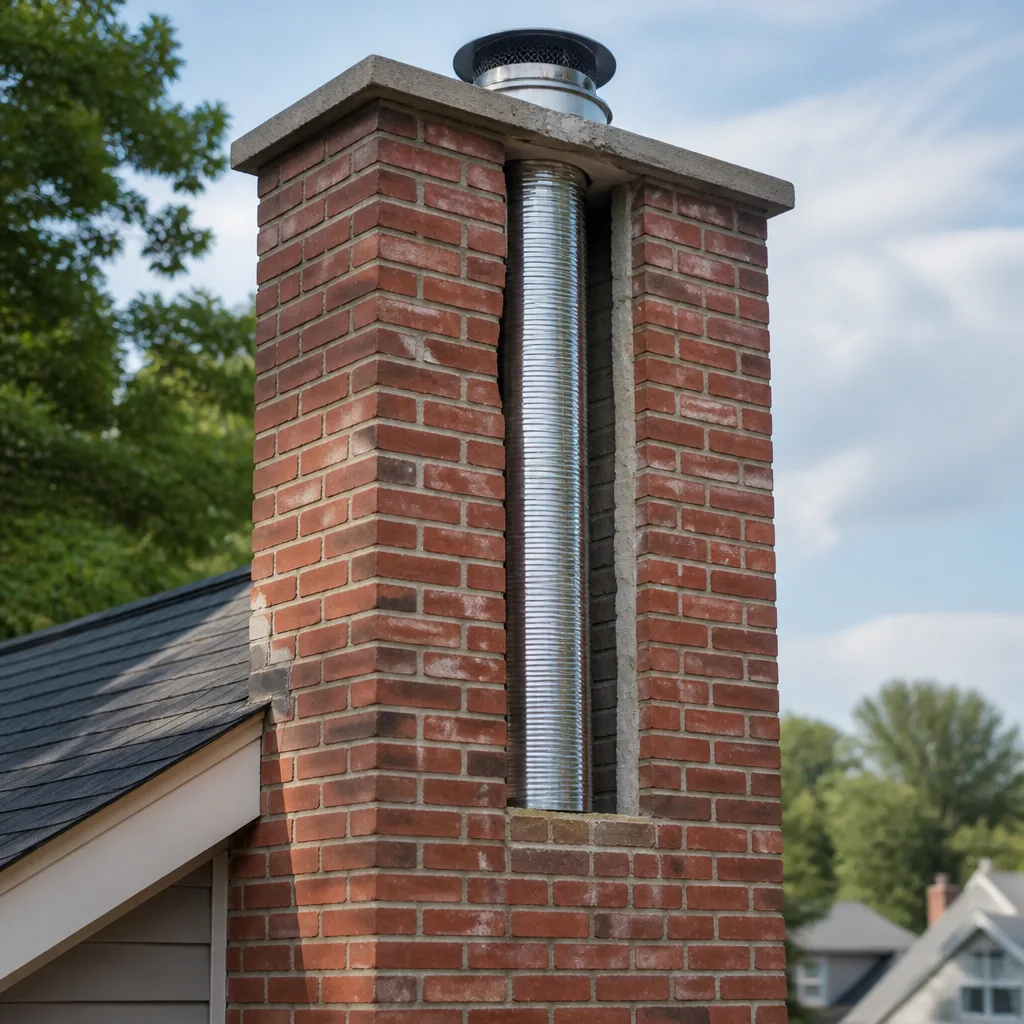 Flue relining
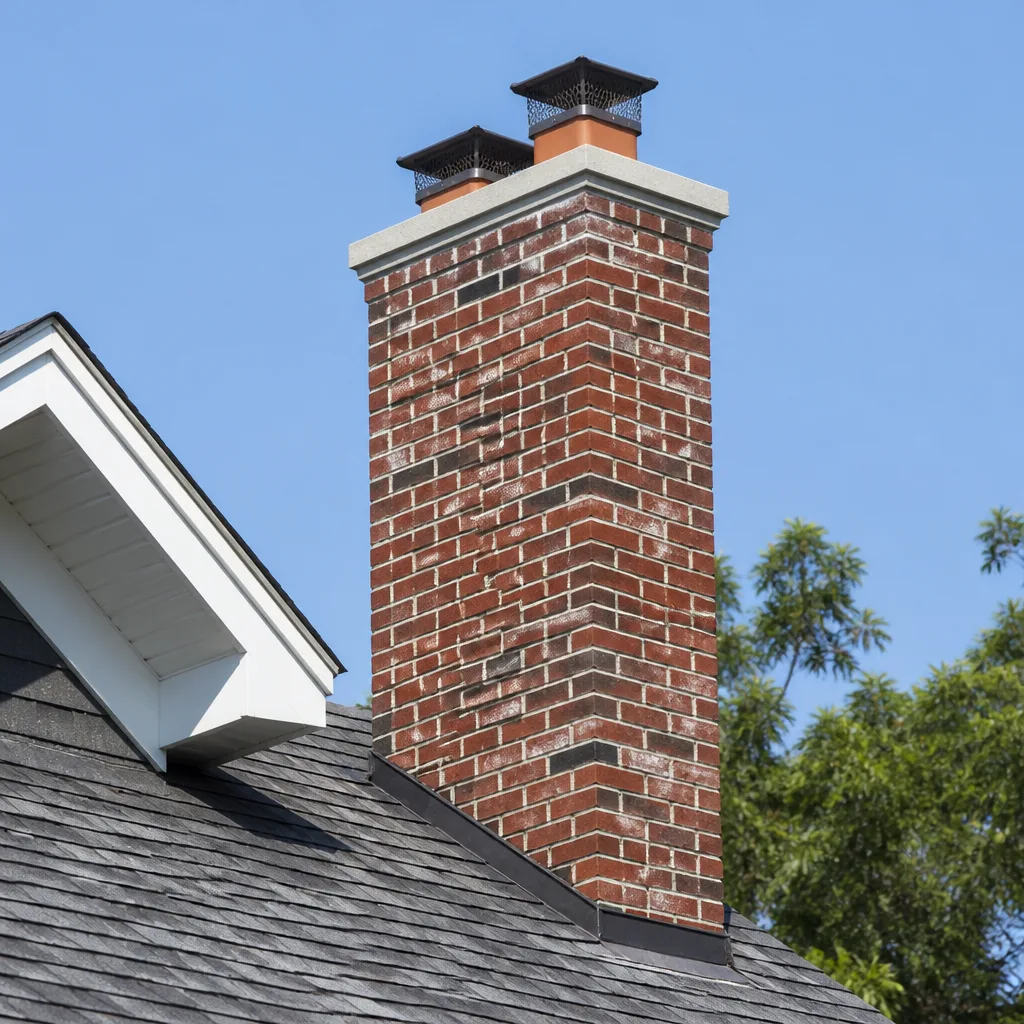 Masonry repair
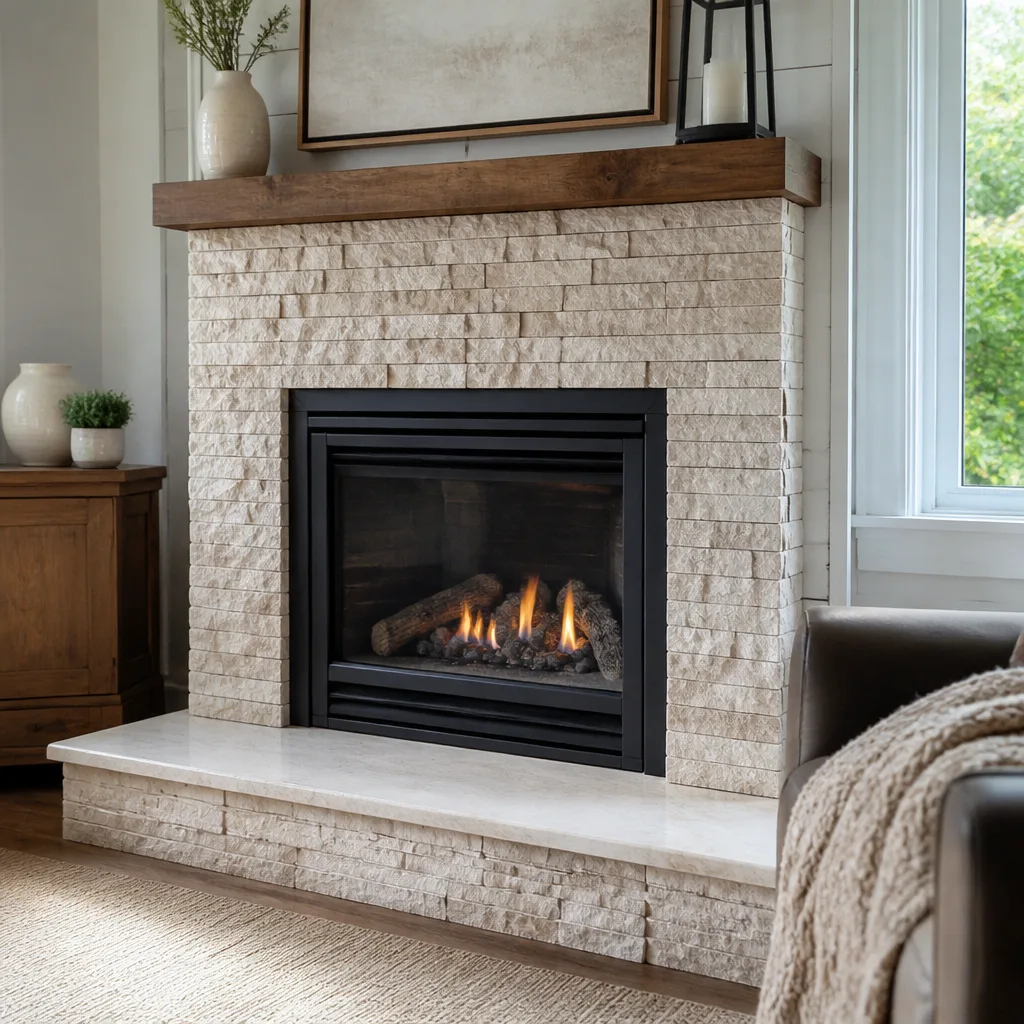 Gas fireplace service
Level 1 sweep and inspection to the NFPA 211 annual standard - flue, crown, cap, and flashing checked and photographed
Chimney sweep logs do not sweep chimneys. They loosen some creosote - which then falls where a brush and vacuum still have to collect it.
Seasonal Chimney Cleaning Care for University City: Year-Round Homeowner’s Guide
Scheduling your chimney sweep in October because that’s what everyone does means you’re cleaning after the problem started, not before. In University City’s four-season climate, the highest-risk maintenance window is spring, not fall. The freeze-thaw cycles that crack mortar and the summer humidity that drives spalling do their damage long before the first fire of the season. This guide walks through what each season actually asks of your chimney in University City and how to respond before small issues become structural repairs.
Quick Answer
Chimney care in University City runs on four seasonal stress patterns, not one annual service date: winter freeze-thaw cracking, spring moisture intrusion, summer humidity-driven mortar spalling, and fall debris buildup. The single best habit is to sweep after your first consistent fires of the season (usually late fall here) and to inspect the masonry in spring, when water damage from winter is visible and repointing can dry through the summer. Call (855) 658-5324 for a free estimate. We answer 24/7. Fast dispatch from 7am to 7pm, Sunday through Friday.
Styles & brands we work with
- Sweep & inspection
- Caps & crowns
- Flue relining
- Masonry repair
- Gas fireplace service
Table of Contents
- Why University City’s Four Seasons Stress a Chimney Differently
- Fall (September-November): Sweep Timing That Follows Your First Fires
- Winter (December-February): Draft, Downdraft, and Mid-Season Cleaning
- Spring (March-May): The Masonry Repair Window That Most Homeowners Miss
- Summer (June-August): Caps, Covers, and Better Scheduling
- How University City’s Hardwood Forests Shape Your Cleaning Schedule
- Common Mistakes to Avoid
- When to Call a Professional
Why University City’s Four Seasons Stress a Chimney Differently
Most chimney advice assumes a single annual chore. University City doesn’t work that way. The same masonry that bakes through a humid Piedmont summer takes on water and then freezes and thaws through the winter, and that cycle is what actually shortens a chimney’s life. Bricks tolerate compression well. Water inside brick and mortar does not.
Here’s what each season asks of the system:
- Winter: Freeze-thaw expansion opens hairline cracks in mortar joints and crowns. Heavy burning season drives creosote accumulation.
- Spring: Rain finds those winter cracks and moves into the masonry. This is the window to repair before the moisture spreads.
- Summer: Heat and humidity pull moisture through masonry walls in the other direction. Mortar that has been weakened can spall. Caps and covers take the brunt of UV and storm exposure.
- Fall: Leaves, acorn mast, and nesting animals can block the flue before burning season starts. Debris plus cold air means poor draft.
A chimney inspected once a year in fall catches only the last of these problems. A year-round approach, one that follows University City’s actual weather pattern, catches the others before they compound. This is why we schedule inspections across all four seasons rather than collecting every appointment into a single October rush.
Fall (September-November): Sweep Timing That Follows Your First Fires
Fall is the busiest month for chimney work in University City, and that has less to do with good sense than with reflex. The better rule is to sweep after, not before, your first consistent fires of the season. Why? Because any creosote load from last year is already there. A sweep in September changes only slightly by October. A sweep after the season has actually started (say, after the first two or three weeks of regular fires) reflects fresher conditions and lets the inspection catch what last season left behind.
There’s a nuance for households that burned heavily last year. If you know your flue got a heavy creosote load by February, don’t wait until October to look. Early cleaning in September or even late August tells you whether the flue is ready for a fresh burn season or whether something needs repair first. Here’s the sequence we follow:
- Contact us for a fall inspection. We can diagnose glow-in-the-dark creosote (Stage 3) versus routine soot.
- If the flue is clear, we move straight to inspection. If it isn’t, we sweep and then inspect.
- We inspect the cap, crown, firebox, damper, and smoke chamber. Camera images of the flue interior are included in the report.
- You see what we see before anything is recommended. No upsells. If we find something, we show you what it is and give you a straight answer on whether it needs fixing now.
Fall is also the season to check your wood pile. Green wood burned in October leaves more moisture in the flue than dry wood, and that moisture combines with creosote to speed buildup. We can tell by looking at the flue whether last year’s fuel was seasoned or green.
Winter (December-February): Draft, Downdraft, and Mid-Season Cleaning
Winter is when the system gets tested. Draft problems that were invisible in October become obvious when the fireplace is the main heat source. In University City, the two most common winter complaints are smoky starts and cold-air backdrafts when the fire dies down. Both usually come down to one of three things:
- Blocked flue: Even a small nest or leaf pack reduces cross-section dramatically. Draft weakens.
- Undersized or damaged flue liner: A liner that’s missing tiles or has been relined poorly can’t pull properly against cold outdoor air.
- Negative pressure in the home: Bathroom fans, kitchen exhaust, or a closed-up house during cold snaps pull combustion air out of the firebox faster than the flue can replace it.
Mid-season cleaning is warranted when the fire has been running daily for months. Creosote accumulates faster in high-use months, and a flue that was clean in October can carry a measurable load by mid-January. If you hear a soft whoosh or rumble during a hot fire, that’s a sign to stop burning and inspect before the next fire.
Winter is also the season to watch the exterior. Check the crown for cracks after a hard freeze. If you see a chunk of mortar missing from a joint or a hairline crack across the crown, water is already finding its way in, and spring repair is exactly right. We’ve seen plenty of University City chimneys where an open mortar joint grew into a full repoint in the space of one winter.
Spring (March-May): The Masonry Repair Window Most Homeowners Miss
Spring is the single best window in University City for chimney masonry repair. Here’s why. Mortar and brick that have taken on moisture during winter’s freeze-thaw cycle need sustained mild weather to dry out fully. If you repoint in fall, the work may be sealed over before it fully cures. If you repoint in spring, the repaired joints have all summer to cure and dry. That curing window matters more than most homeowners realize.
Spring is also when the winter damage is most visible. If you repointed in spring, that repair is the one that lasts through the next winter. Here’s how a spring service call usually runs:
- Inspect first. A chimney sweep is the first step, and a chimney inspection tells you what actually needs attention.
- Confirm the damage. Winter freeze-thaw damage shows up as open joints, missing mortar, and cracks in the crown.
- Repair selectively. Repointing (masonry repair) can be done without touching the firebox or flue liner. Crown repairs get their own treatment and can often be scheduled separately.
- Test the firebox and damper. Spring is also a good window for fireplace repair on dampers, hinges, and firebox brick because the system has cooled down and repairs held through summer will be tested by fall.
One more reason spring is the smart window: it gives you options. A liner that’s being planned for repair in spring can be relined with a DuraFlex flexible liner (for offset flues or older chimney shapes) or resurfaced with HeatShield ceramic system. That resurfacing step is a liner restoration that avoids full liner replacement, which is a cost-saving option most single-service sweep companies can’t offer. Spring scheduling gives us room to complete these bigger repairs before the fall rush.
Summer (June-August): Caps, Covers, and Better Scheduling
Summer gets less attention than it deserves. The chimney may not be in use, but its vulnerable parts (cap, crown, cover, flashing) are working overtime. University City’s summer is hot, humid, and storm-heavy, which loads those parts faster than many homeowners realize.
The chimney cap does the actual heavy lifting. A cap keeps rain out of the flue, blocks birds and squirrels, prevents downdrafts, and supports draft stability year-round. A cap that’s cracked, sitting off-center, or missing (or one with a failing mesh) is a summer repair worth doing now, not in October.
Summer is also when scheduling gets easier. Contractors in University City are less booked in June and July than they are in October. That translates to faster turnaround on bigger jobs, like HeatShield ceramic resurfacing or DuraFlex relining, that would otherwise wait in a fall queue. A chimney cap & crown inspection in summer can catch cap issues (loose legs, damaged mesh, unsealed top) before they let water in. Crown work in summer is the counterpart to spring repointing: crown cracks caught early don’t spread into a full crown rebuild.
We also use summer visits to check flashing details and to log the cap and crown condition for comparison the following spring. Homeowners who call in summer often end up with a more complete picture of the chimney’s history than those who call only in fall.
How University City’s Hardwood Forests Shape Your Cleaning Schedule
University City sits in the middle of hardwood forest country, which means wood is easy to come by but not all of it is ready to burn. Unseasoned hardwood (freshly cut oak, hickory, or cherry) can take a full year to dry, and the moisture content matters for chimney performance. Wet wood leaves more water vapor in the flue, and that vapor combines with creosote to increase buildup.
Homeowners in University City who cut their own wood often end up in the habit of burning next week’s wood this week. Proper seasoning changes cleaning frequency. Dry wood burns hotter and cleaner. Green wood leaves more creosote. Here’s a quick check:
- Feel: Dry wood feels lightweight for its size.
- Sound: Dry wood has a hollow ring when struck; green wood is muted.
- Look: Dry wood has split ends and visible cracks; green wood has smooth cut ends.
If you’re burning wood from the woods out back, season it at least one full summer before use. We’ve been in plenty of University City homes where the flue tells the story of wet wood without the homeowner ever mentioning it.
Common Mistakes to Avoid
- Treating the fall sweep as the only chimney chore of the year. Fall catches partial creosote, not winter freeze-thaw damage or spring moisture intrusion. Your chimney needs at least two inspection moments (spring and fall) to stay ahead of its problems.
- Waiting until you smell smoke to call. Backdrafts, smoky starts, and weak draft are the visible symptoms of problems that are already advanced. Call when you first notice a problem, not when the fire won’t light.
- Repointing in fall. Fall repairs leave the mortar’s cure limited. Spring is the correct window in University City, because the repair gets the full summer to cure.
- Ignoring the cap until it falls off. A cracked or loose cap lets water in for months before anyone notices. Check the cap every summer regardless of the flue’s condition.
- Burning green wood and assuming the sweep will compensate. Sweeping cleans the flue; it doesn’t stop fresh creosote from forming. A seasoned wood pile prevents creosote buildup before it starts.
- Skipping the camera inspection. Any recommendation should be backed by flue-camera images you can see. If your technician can’t show you what they’re recommending, ask.
- Scheduling big repairs in October. Fall is the busiest month. Spring and summer give you faster turnaround on liner and crown work.
When to Call a Professional
Call a professional when you see or smell one of these: a persistent smoky smell at rest, backdrafts when the fire dies down, a flue that won’t pull draft, visible cracks in the crown, a cap that’s loose, missing, or has failed mesh, or a mid-season flue that’s obviously loaded with soot. Any of these is a sign the system needs a look before the next fire. Spring and fall inspection windows catch most issues early. Chimney Sweep University City offers free estimates in University City. Call (855) 658-5324. We answer 24/7. Fast dispatch from 7am to 7pm, Sunday through Friday.
Frequently Asked Questions
A chimney should be swept when creosote buildup reaches about an eighth of an inch, which usually happens once a year for an occasional fire household and twice a year or more for heavy users. In University City’s four-season climate, we recommend inspecting in both spring and fall, and sweeping only when the inspection calls for it. Sweeping once a year is a minimum, not a ceiling, and spring moisture issues sit outside the sweep schedule entirely. Call (855) 658-5324 for an exact quote. Estimates are free.
Not always. HeatShield ceramic resurfacing restores a liner that has cracks or gaps without full replacement, which is a cost-saving option many single-service sweep companies can’t offer. We inspect the flue first, then recommend resurfacing or a DuraFlex reline based on what the camera shows. A liner is only recommended when the evidence supports it, and you see the camera image. Call (855) 658-5324 for an exact quote. Estimates are free.
Yes, for masonry work. Spring repointing gives the repair a full summer to cure, which is harder to guarantee in colder fall weather. Spring also catches freeze-thaw damage from the previous winter before it spreads. Fall sweeping is still useful; it’s just not the right season for masonry repair. Call (855) 658-5324 to book a spring inspection. Estimates are free.
Skipping a year mostly means winter freeze-thaw cracks go unrepaired and moisture moves deeper into the masonry. Creosote loads keep building, and small cap issues turn into leaks. The consequences range from a smoky fire to structural repair, and the earlier you catch it, the cheaper it gets. Call (855) 658-5324 to schedule a spring check. Estimates are free.
Backdrafts after the fire dies down usually mean negative pressure in the house or a flue that’s not pulling consistently. Common causes are a blocked flue, an undersized liner, or exhaust fans pulling air from the house faster than the flue can replace it. A camera inspection tells you which. Call (855) 658-5324 for a diagnosis. Estimates are free.
No. Summer is when the cap, crown, and flashing take the brunt of storms, and those parts protect the flue during the off-season. A failed cap or cracked crown in summer lets water in for months before fall burning season. Summer is also when scheduling is easiest, so bigger repairs get done faster. Call (855) 658-5324 to book a summer inspection. Estimates are free.
How much does a chimney sweep cost in University City?
A routine sweep is priced per job by a written estimate after we see the flue; the estimate is free and sets the final price. Call (855) 658-5324 for an exact quote. Estimates are free.
The Bottom Line
University City’s chimney care works best as four seasonal responses, not one annual appointment. Fall should follow your first fires, winter is the draft-testing season, spring is the masonry repair window, and summer is the cap-and-crown maintenance season and the easiest time to schedule bigger repair work. Our technicians have up to 8 years of experience and handle sweeps, inspections, fireplace repair, and chimney repair with materials from DuraFlex, HeatShield, Gelco, Olympia Chimney, Famco, and Copperfield. If you want to know what your chimney actually needs this season, call (855) 658-5324. We answer 24/7. Fast dispatch from 7am to 7pm, Sunday through Friday. The estimate is free, and the written estimate sets the final price.
Written by the team at Chimney Sweep University City.
Looking to book a visit or compare services? Start with Chimney Sweep University City for the full service overview, or reach out for a chimney sweep assessment any time of year.
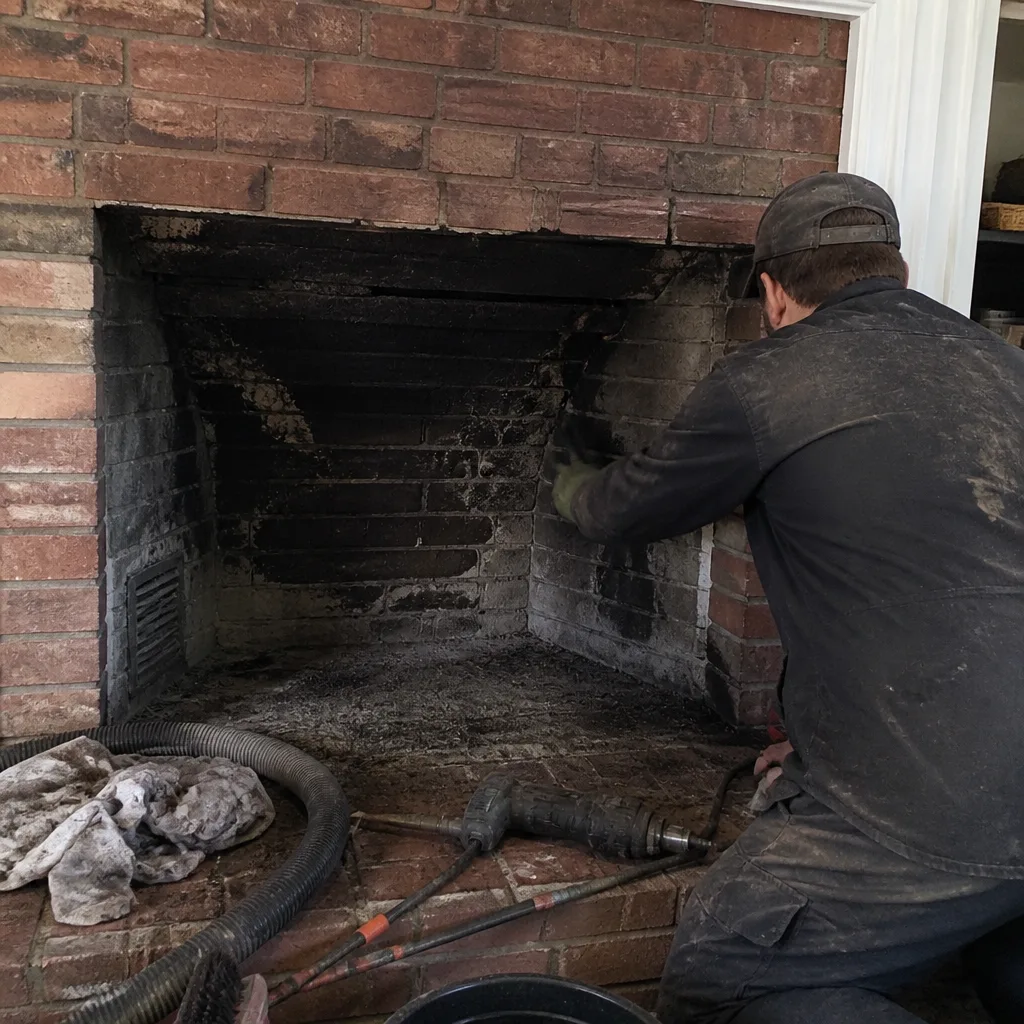
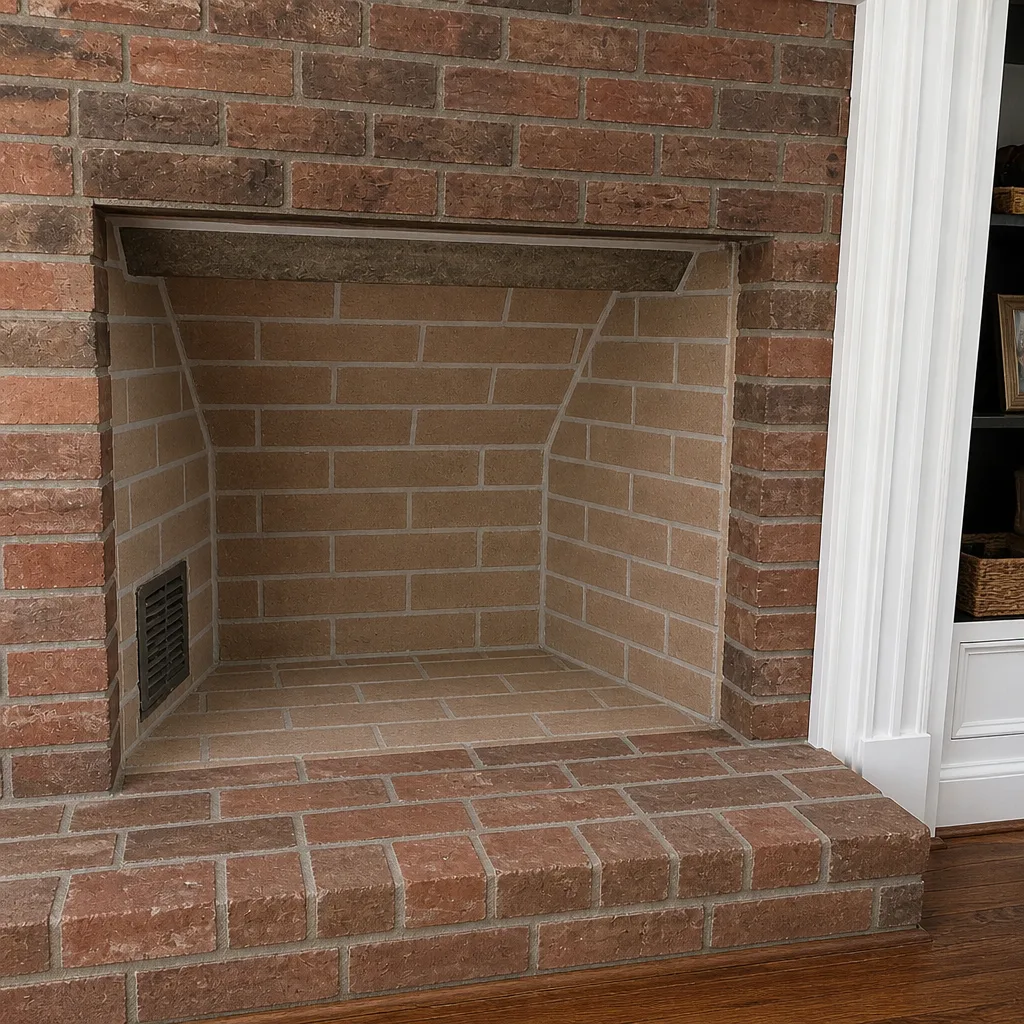
See the difference
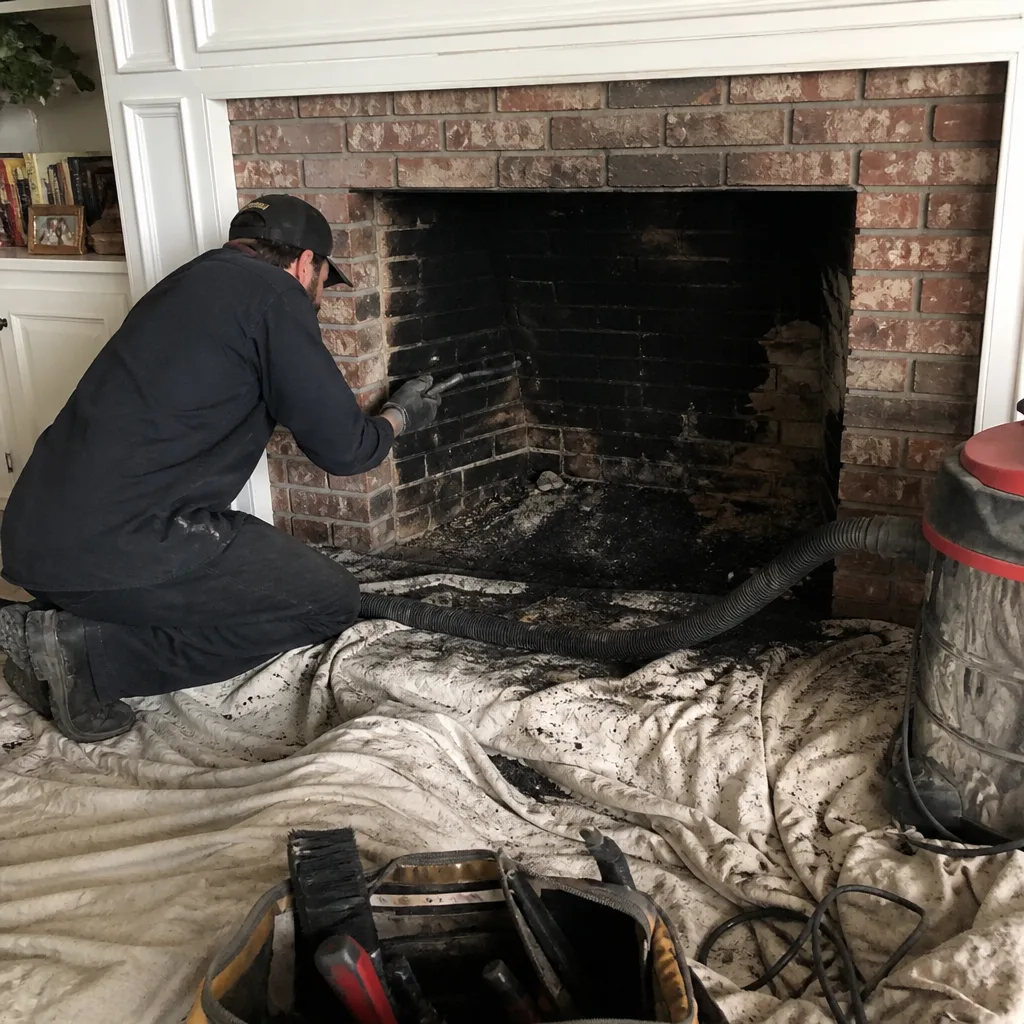 Before
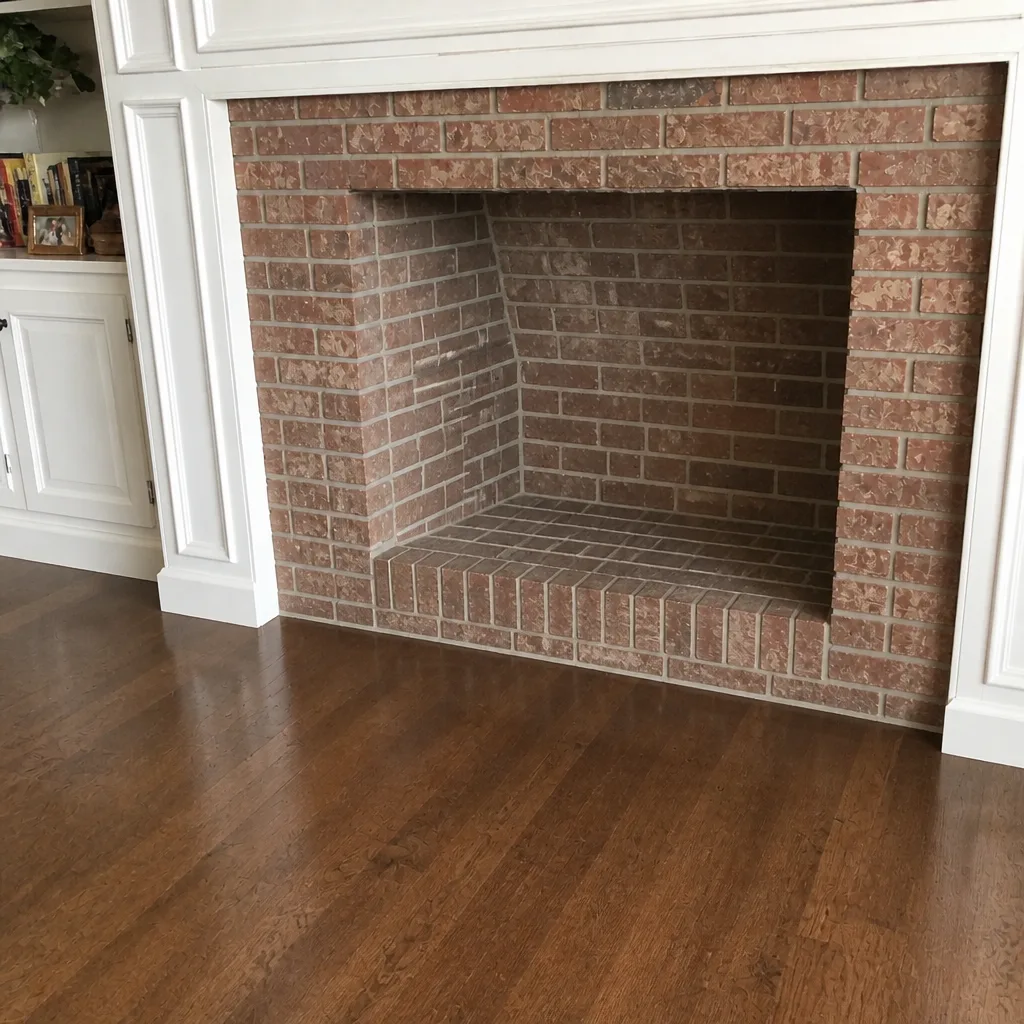 After
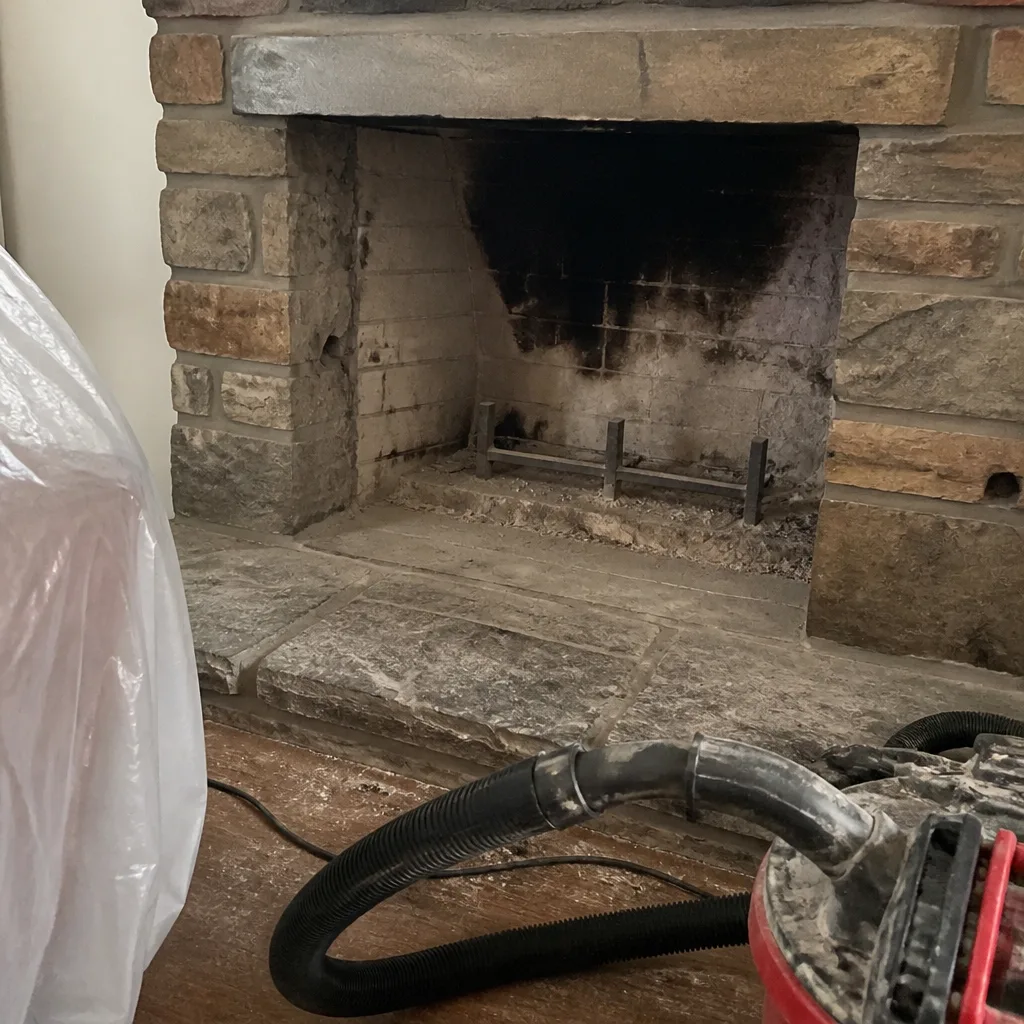 Before
 After
 Before
 After