
Last updated November 22, 2026
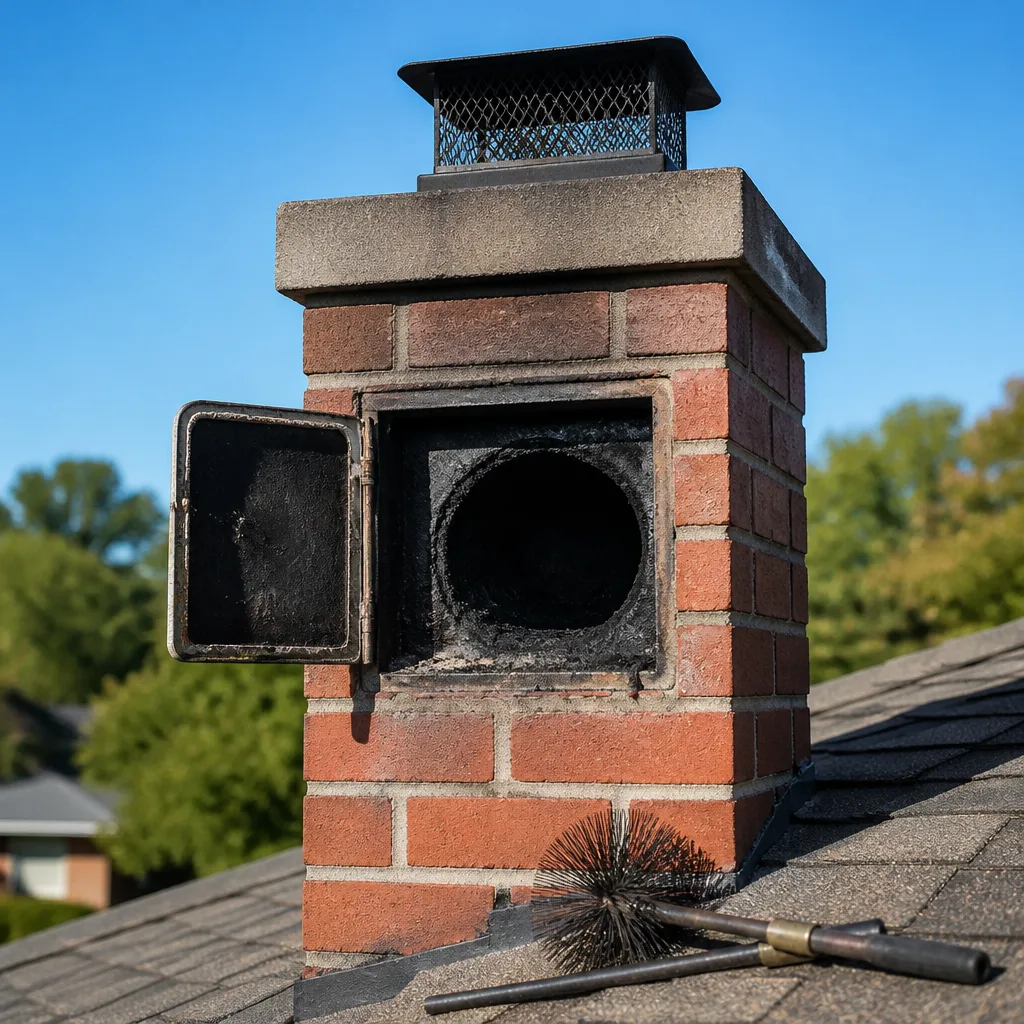 Sweep & inspection
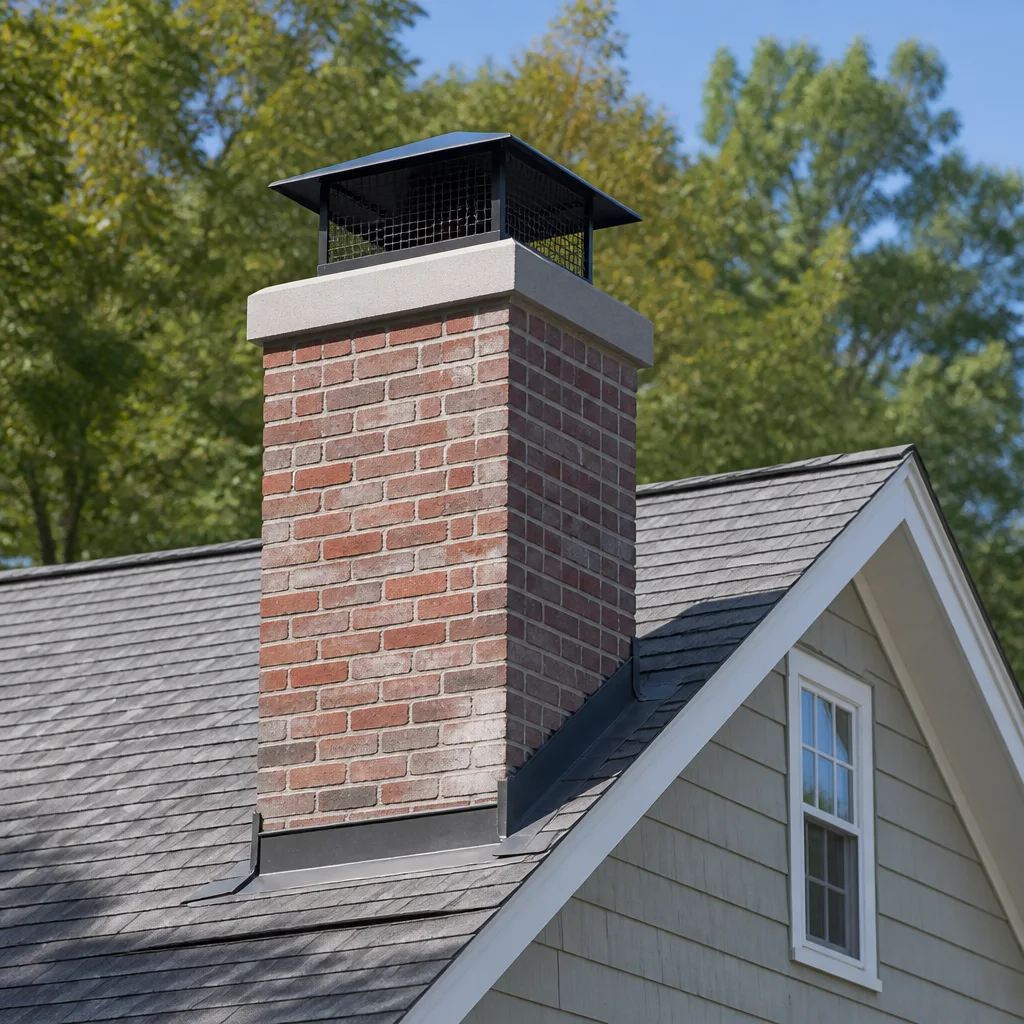 Caps & crowns
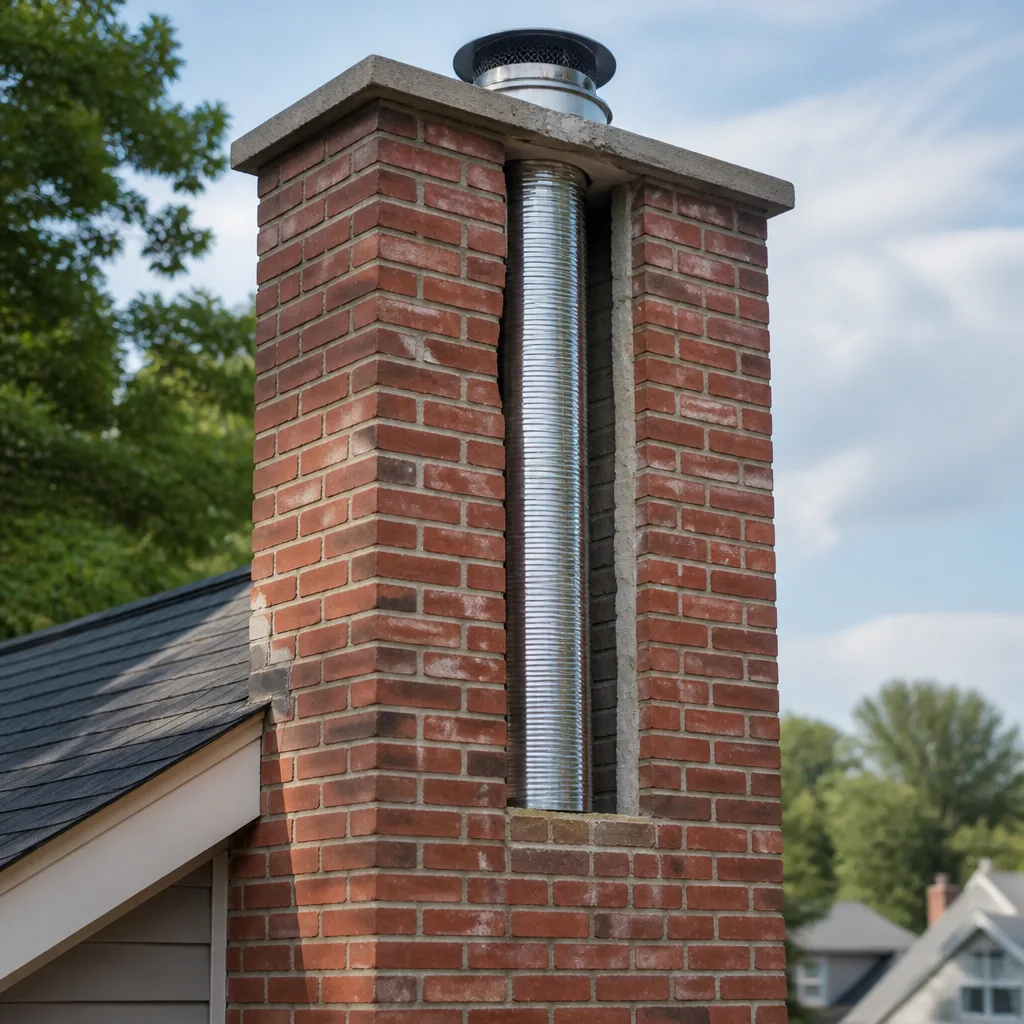 Flue relining
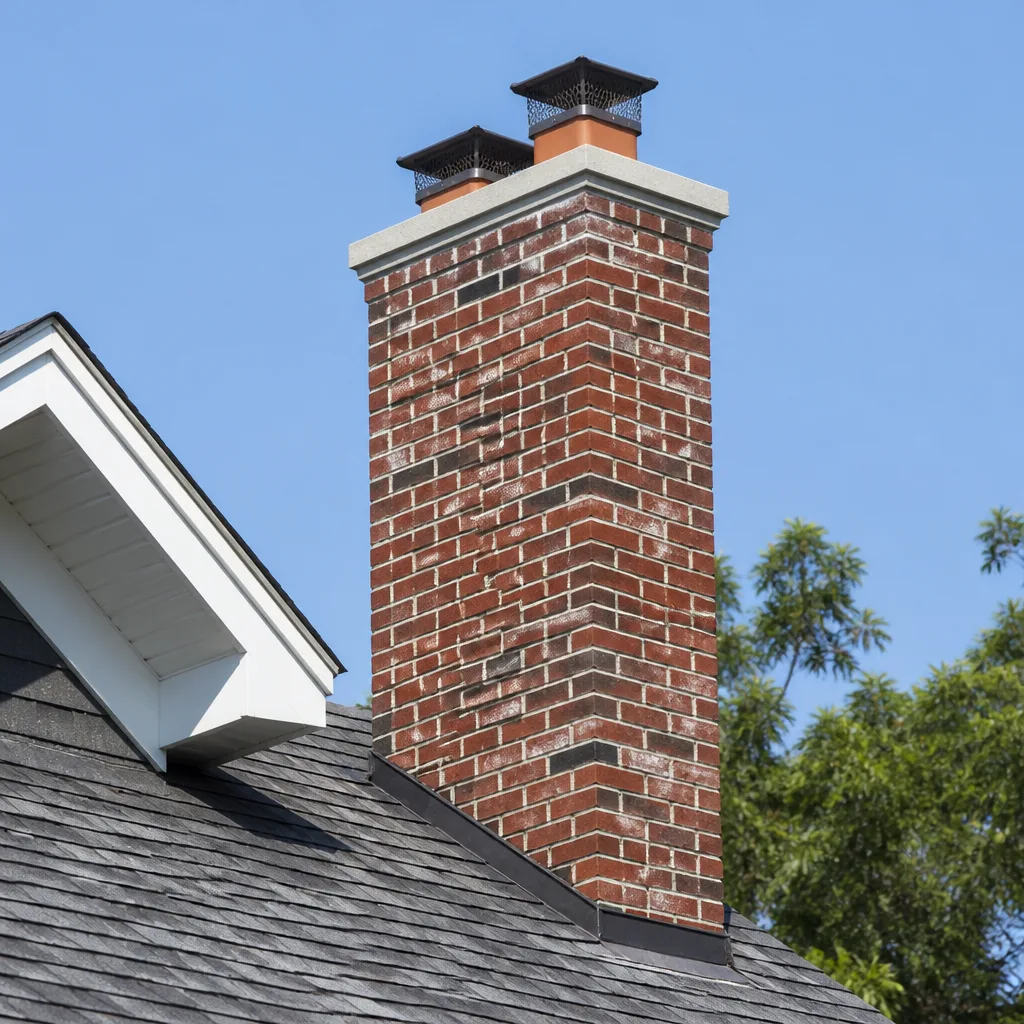 Masonry repair
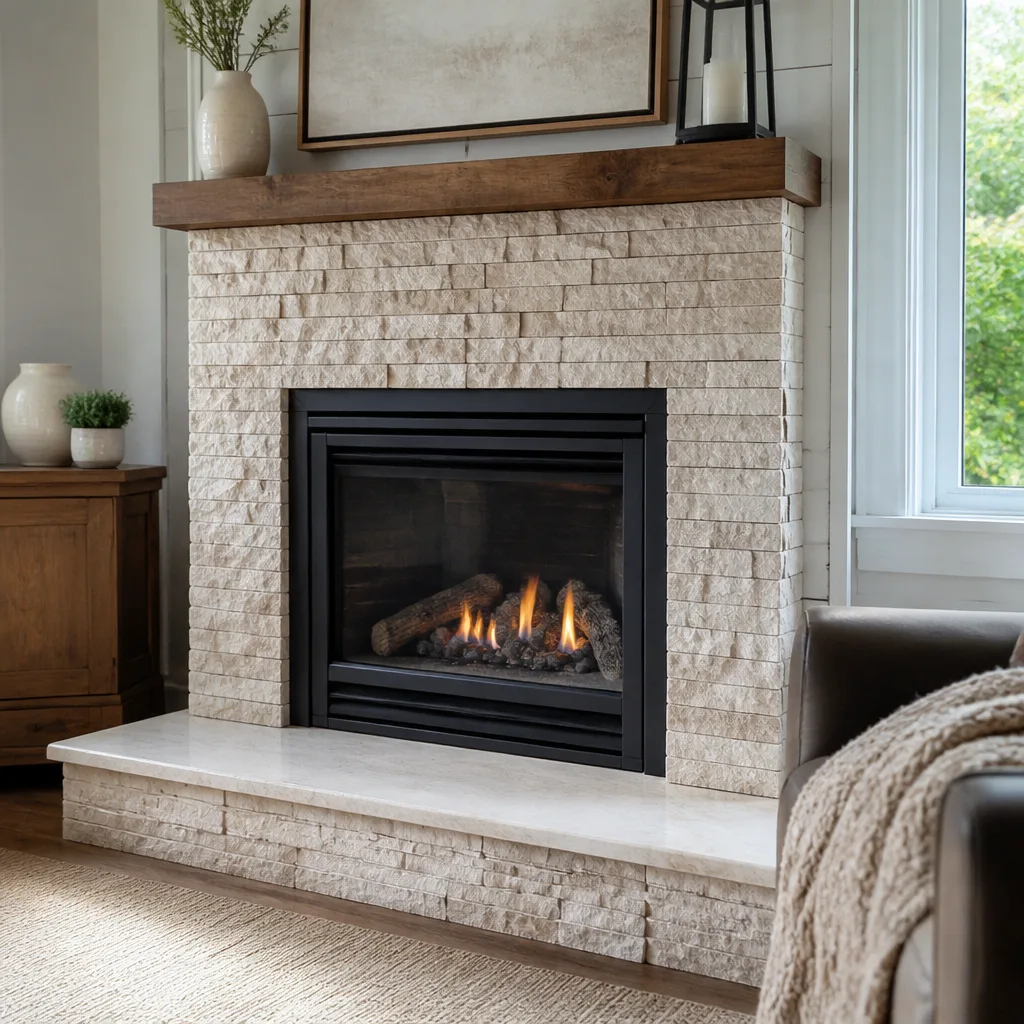 Gas fireplace service
Level 1 sweep and inspection to the NFPA 211 annual standard - flue, crown, cap, and flashing checked and photographed
Chimney sweep logs do not sweep chimneys. They loosen some creosote - which then falls where a brush and vacuum still have to collect it.
Chimney Cleaning Permits, Codes & Inspections in University City, NC: What You Need to Know
Most homeowners assume the permit question starts and ends with the cleaning. It doesn’t. The sweep itself is routine maintenance and needs no paperwork at all. The moment a technician finds cracked flue tiles, a failed firebox, or a rusted-out liner and recommends repair, you’ve crossed into permitted work under North Carolina code, and that line matters more than most people realize. What you’ll learn here: where the permit line actually sits, which jobs require a Mecklenburg County permit and which don’t, what a Level II inspection is under NFPA 211 and when code requires one, and how unpermitted chimney work can quietly follow a University City house all the way to the closing table.
Quick Answer
In University City, NC, chimney sweeping never requires a permit, but liner replacement, firebox reconstruction, and gas insert conversion do require a permit through Mecklenburg County Code Enforcement, and a Level II inspection is required under NFPA 211 during real estate transactions, after any appliance change, and after a chimney fire. Homeowners insurance carriers can deny fire-related claims when structural chimney work was done without inspection or permit, so the permit record is asset protection, not red tape.
Styles & brands we work with
- Sweep & inspection
- Caps & crowns
- Flue relining
- Masonry repair
- Gas fireplace service
Table of Contents
- Where the Permit Line Sits: Cleaning vs. Repair
- What the NC Residential Code Says About Your Chimney
- What a Level II Inspection Is and When Code Requires One
- How Unpermitted Work Meets Homeowner’s Insurance
- How to Verify Permit Requirements Before Work Begins
- Why Chimney Systems in University City See This So Often
- How a Permitted Chimney Repair Actually Unfolds
- What Paperwork to Keep After the Work Is Done
Where the Permit Line Sits: Cleaning vs. Repair
Cleaning a chimney is maintenance. Rebuilding one is construction. North Carolina treats them very differently, and understanding the split saves you money and headaches.
A chimney sweep removes creosote, soot, and blockages. No permit is issued for that anywhere in Mecklenburg County, and none should be. It’s the equivalent of changing a furnace filter. The moment a technician recommends any of the following, however, you’re in permit territory:
- Liner replacement or relining. Installing a new stainless-steel liner, whether a rigid sectional system or a flexible DuraFlex liner for an offset flue, alters the flue’s construction and requires a permit.
- Firebox reconstruction. Rebuilding firebrick, resetting a damaged firebox floor, or applying HeatShield ceramic resurfacing to restore a deteriorated flue counts as structural repair and typically requires a permit.
- Gas insert conversion. Converting a wood-burning fireplace to a gas insert changes the appliance category and venting requirements, and code treats it as new installation work.
- Chimney cap and crown rebuilds. A simple cap swap is maintenance. Rebuilding a cracked masonry crown or repairing the chimney top structure generally falls under repair permitting.
Here in University City, we walk homeowners through this distinction at the estimate stage, before a single tool comes out. The written estimate should state plainly whether the job requires a permit and who is pulling it. If a contractor can’t answer that question on the spot, that’s information in itself.
What the NC Residential Code Says About Your Chimney
The North Carolina Residential Code governs residential chimney construction in two key sections. Section R1001 covers masonry fireplaces: firebox dimensions, hearth extension requirements, clearance to combustibles, and the thickness of masonry walls around the firebox. Section R1003 governs chimneys themselves: flue sizing, the required cross-sectional area relative to the fireplace opening, chimney height above the roofline, and clearance from framing. When a liner gets replaced or a firebox rebuilt, the work must bring the system back into compliance with those sections, not just approximate the original. That’s why a permit inspection has real value: an inspector verifies flue sizing and clearances against R1003, not just that the mortar looks neat.
The practical side of this in University City is that many houses here were built in different decades with different fireplace designs, and older flues don’t always meet current flue-to-opening ratios. A liner sized correctly under R1003 solves that. A liner sized by guesswork doesn’t, and without a permit inspection nobody checks. This is where material choice earns its keep: a DuraFlex flexible liner lets a technician run a correctly sized stainless flue through an older chimney with an offset, which is often the only code-compliant path for a flue that was built off-center. HeatShield ceramic resurfacing, applied to a flue that’s deteriorated but structurally sound, restores the flue’s interior surface without a full reline, and it’s a legitimate repair when the flue passes inspection first. Both are professional-grade products, and both are the kind of work that should follow an inspection, not replace one.
One caution: we’re describing the framework, not giving you a code citation to argue with an inspector. Requirements vary by edition and by the specifics of your house. Ask Mecklenburg County Code Enforcement directly before any structural chimney work begins, and get the answer in writing.
What a Level II Inspection Is and When Code Requires One
A Level II inspection under NFPA 211 is a visual and video-assisted examination of the entire chimney system, including concealed areas, using a camera to inspect the flue interior. It’s more thorough than the Level I inspection that accompanies an annual sweep, and code requires it in specific situations. Those situations, at minimum, include:
- Real estate transactions. A change of ownership is the classic trigger. The buyer’s inspector will look at the flue, and a documented Level II report answers the question before it becomes a negotiation.
- After a chimney fire. Even a small fire can crack flue tiles or warp a liner. A Level II inspection determines whether the flue is still sound.
- When an appliance changes. Swapping a wood-burning fireplace for a gas insert, adding a new appliance to an existing flue, or changing fuel type all require a Level II inspection of the flue before the new appliance is connected.
- After an event that may have damaged the chimney. A lightning strike, a nearby structural shift, or anything that may have affected the flue calls for one.
- When you’ve never had one. If you don’t know the history of the chimney, a Level II inspection establishes a baseline you can compare against later.
In our experience, the University City inspection requests we get most often are tied to home sales. A seller who has a Level II report in hand moves through closing; a seller who doesn’t ends up paying for one under pressure. We include a camera inspection and photo report with the sweep as standard practice, so the homeowner sees exactly what the technician saw, on their own screen, with no interpretation required. The photos are the evidence. They’re what makes the recommendation trustworthy, and they’re what a buyer’s inspector will want to see anyway.
How Unpermitted Work Meets Homeowner’s Insurance
Homeowner’s insurance carriers care about documentation, and chimney work is one of the places where missing documentation has real teeth. Here’s the pattern: if a fire originates in or around the chimney, the carrier’s adjuster will ask what work was done on that system, when, and by whom. If a liner was installed without a permit and without an inspection record, the carrier has grounds to question whether the installation met code. A claim can be denied, reduced, or held up for months on that basis. Unpermitted work can also undermine the practical ability to sell or refinance the house. A buyer’s inspector who finds unpermitted structural work creates a repair negotiation or a stalled closing. Either way, the cost of pulling the permit the first time is trivial compared with the cost of discovering it was skipped years later.
University City sits in a resale market where buyers’ agents routinely request documentation on fireplace and chimney condition. A permit record, a Level II inspection report, and material documentation (a HeatShield application record, a DuraFlex installation specification) are the paperwork that answers those requests in one exchange. This is why we file permit documentation with the homeowner and keep the photos accessible: it’s the record that protects the asset.
We’re not giving insurance advice. Talk to your carrier about what your policy requires. What we can tell you is what the paperwork looks like when the work is done correctly, and that’s what a carrier or a buyer wants to see.
How to Verify Permit Requirements Before Work Begins
Before any structural chimney work starts, call Mecklenburg County Code Enforcement and ask two questions: does this specific work require a permit, and what is the process for inspection. Have the address of the property in front of you, the scope of work in plain language, and the type of material planned. Our approach is the same: we tell the homeowner what we found, what the repair involves, and whether a permit applies.
A short checklist helps:
- Ask the contractor directly: “Does this job require a permit, and are you pulling it?” Get a yes or no.
- Verify the scope in writing: liner material and diameter, firebox repair method, insert model and venting plan, cap and crown details.
- Call Mecklenburg County Code Enforcement with the scope and confirm the permit path and inspection requirements.
- Ask who schedules the inspection and who is responsible for the final sign-off. It should be the contractor, not you.
- Confirm the written estimate states the permit cost separately, so there’s no surprise line item after the work.
Do this before the contract is signed, not after. A contractor who has done permitted chimney work in University City will have the permit process mapped out and will explain it without being prompted. One who has never pulled a permit for this kind of work will treat the question as an inconvenience, and that’s a warning sign.
Why Chimney Systems in University City See This So Often
University City’s housing stock spans a wide range of construction eras and styles, and the fireplace systems reflect that. Older masonry fireplaces in the neighborhood often sit on original flue tiles that have cracked with heat cycling, and the flue opening doesn’t always match current sizing. Newer construction tends to have factory-built fireplaces that need manufacturer-specific components, and generic parts are a common source of problems. When we inspect a chimney in University City, the first question is always the same: what does the flue actually look like, and does it meet code for the way the fireplace is being used?
The local climate also matters. Western North Carolina sees real winters and warm humid summers, and the freeze-thaw cycle stresses masonry crowns and joints. Spring and fall bring pollen, seed pods, and nesting activity that clog caps and screens. A fireplace that went unused for several years may have a flue that’s cracked wider than it was or a crown that failed. Our approach covers the whole system: we treat cap and crown work as preventive, not decorative, because the cap keeps water out of the flue and the crown protects the chimney top. The material choices we install (Famco caps, Olympia Chimney components, and Gelco products, alongside DuraFlex and HeatShield) are the ones that hold up to those seasonal swings.
Topographically, University City sits in the Piedmont with a mix of flat lots and sloped lots that affect how water drains around the chimney base. Moss, efflorescence, and spalling at the base of a chimney are common in this area, and they’re the kinds of findings that show up in a Level II inspection and merit repair. None of which is a reason to panic; it’s the reason the inspection matters.
How a Permitted Chimney Repair Actually Unfolds
Knowing the sequence makes the process predictable. Here’s how a permitted repair generally runs, from first call to final sign-off:
- Sweep and inspect first. The sweep clears the flue so the camera and technician can see the interior. A Level I inspection during the sweep is the baseline. If you need a Level II or repair scope, that follows.
- Diagnose and document. The technician records findings with camera photos. If repair or relining is needed, you get a written scope of work, the material specifications (DuraFlex liner size, HeatShield application, insert model, etc.), and an estimate.
- Confirm the permit path. The contractor determines whether the scope requires a permit through Mecklenburg County Code Enforcement. If it does, the homeowner signs off on the permit application as property owner, and the contractor pulls the permit.
- Perform the work. The repair is scheduled and completed. This is where the material matters: a correctly sized DuraFlex liner, a HeatShield application over a sound flue, or a proper insert install meets R1003 and survives inspection.
- Inspection and sign-off. The county inspector verifies the work. The record is filed, and the homeowner receives documentation: permit record, inspection sign-off, materials list, and photos.
- File the paperwork. Keep it with the house records, not in the garage. If the house is ever sold or refinanced, this file is the answer.
From firebox floor to chimney crown, a permitted repair is more involved than a cleaning, and that’s the point. The permit inspection is the objective third party that confirms the work was done right. We work through this sequence with homeowners so there’s no confusion about who calls whom or what the county expects.
What Paperwork to Keep After the Work Is Done
Once the work is complete, keep a dedicated chimney file. It should contain:
- The Level II inspection report and camera photos.
- The permit application and inspection sign-off from Mecklenburg County Code Enforcement.
- The materials documentation: liner brand and specification, HeatShield application record, cap and crown details.
- The signed estimate and final invoice showing what was performed.
- Any warranty paperwork on the installed components.
Store it with your home records and note the date in your household maintenance log. The next time you have a sweep or inspection done, the technician will want to see what preceded it. When you sell the house, you’ll want to have it in hand. A well-kept file is the cleanest possible answer to the buyer’s inspector who asks, “How do you know the liner was installed correctly?”
Common Mistakes to Avoid
- Assuming a sweep permit covers repairs. Sweeping needs no permit; a liner or firebox repair does. A contractor who skips the permit because the job started as a cleaning is cutting a corner that follows the homeowner.
- Letting a builder skip the pre-insert inspection. Converting to gas without a Level II inspection misses a chance to catch a damaged flue the new appliance would sit on top of. Fix that before the insert goes in, not after.
- Treating the permit as the contractor’s problem. The permit protects the homeowner’s asset and the homeowner’s insurance position. Ask for the permit number and the inspection sign-off, and keep them.
- Believing that a clean-looking flue is a safe one. A flue that sweeps clean can still have cracked tiles or a deteriorated liner. The camera doesn’t lie, but it also doesn’t self-deploy. Ask for the photo report.
- Selling a house without a current Level II report. A buyer’s inspector will request one. Having it already in hand keeps the negotiation on your side of the table.
- Filing the paperwork nowhere. Permit records and inspection reports that live in a garage folder don’t help at closing. File them with the house records.
- Trusting a “routine” clean to catch structural issues. If the last inspection was years ago, or never, the sweep alone doesn’t establish the condition of the flue. Ask what was inspected, not just what was swept.
See the difference
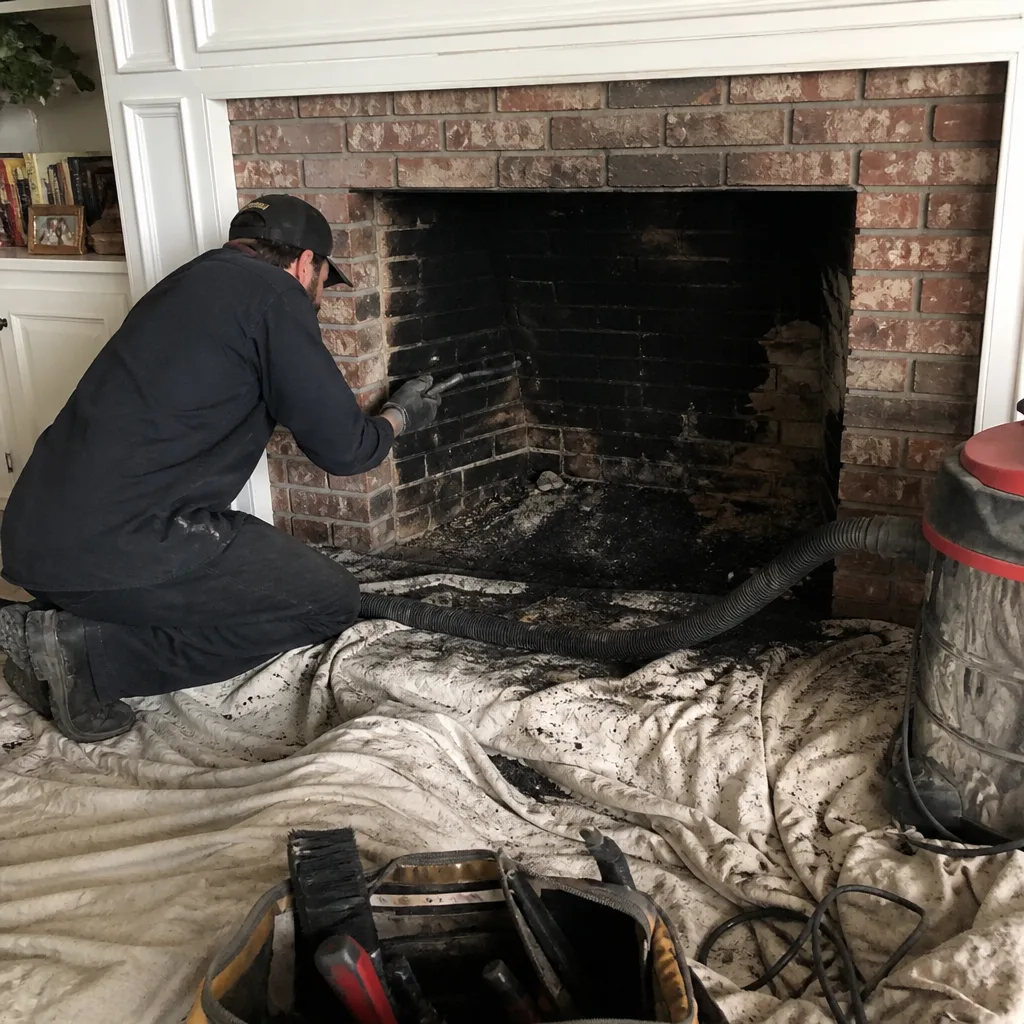 Before
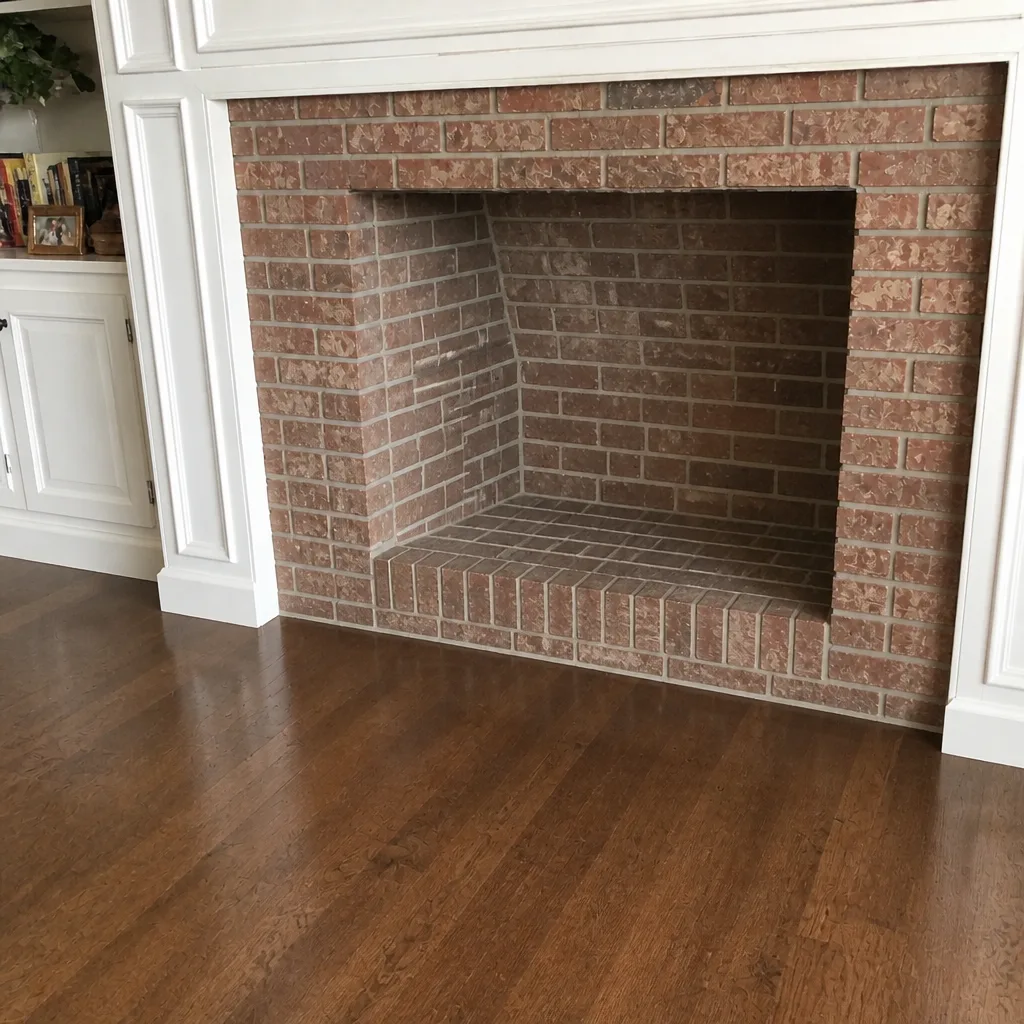 After
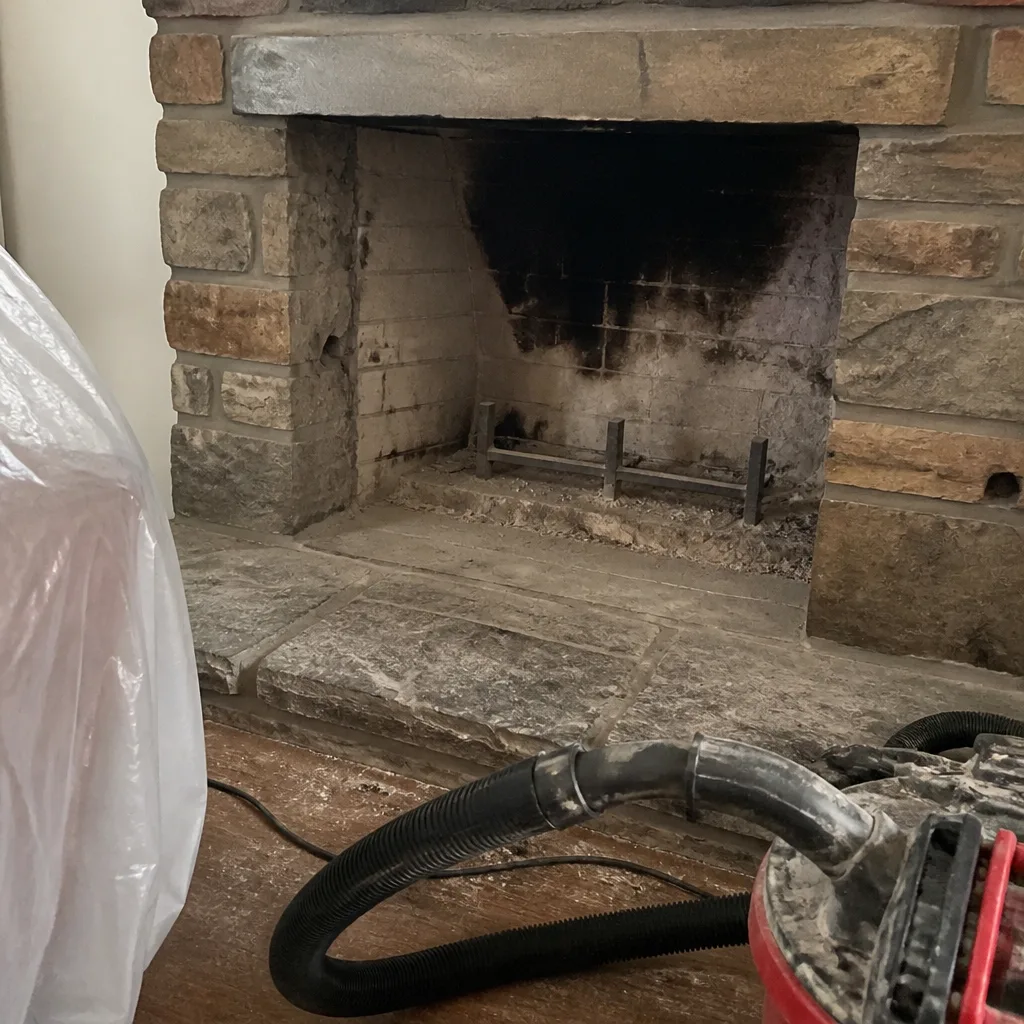 Before
 After
 Before
 After
When to Call a Professional
Call before you schedule any repair if you’ve never had a Level II inspection, if the last one is more than a few years old, or if you bought a University City home without one. Call after a chimney fire, after a gas insert was installed without documentation, or when a buyer’s inspector has questions you can’t answer. Call if you’re planning a liner or firebox repair and want to confirm the permit path first. Also call if you smell smoke in the room, if the fireplace draws poorly, or if the flue hasn’t been swept in over a year. None of these are emergencies in the alarm-bell sense; they’re reasons to get a professional eye on the system before a routine issue becomes expensive. Chimney Sweep University City offers free estimates in University City. Call (855) 658-5324. We answer 24/7. Fast dispatch from 7am to 7pm, Sunday through Friday.
Frequently Asked Questions
No. Chimney sweeping is maintenance and does not require a permit in University City or anywhere in Mecklenburg County. A permit becomes necessary when a liner is replaced, a firebox is rebuilt, a gas insert is converted, or structural chimney repair is performed. Call (855) 658-5324 for a free estimate that states clearly whether a permit applies.
No. A Level I or Level II inspection is an assessment, not a construction activity, so no permit is required. The inspection is what tells you whether permitted repair work is needed in the first place. If the inspection turns up a liner problem or a firebox issue, the repair that follows is where the permit question kicks in. Call (855) 658-5324 for an inspection estimate.
NFPA 211 requires a Level II inspection during real estate transactions, after a chimney fire, when an appliance is changed or added, and after any event that may have damaged the chimney. The inspection covers the entire chimney system including concealed areas, using a camera to view the flue interior. If you’re unsure whether your situation triggers one, we can help you sort that out over the phone.
It can. A carrier investigating a fire may ask for documentation on any structural chimney work, and unpermitted work without an inspection record can be grounds to question the claim. This is why the permit record and the inspection sign-off are worth keeping. We file permit documentation with the homeowner and keep photos accessible so the record exists when it’s needed. Call (855) 658-5324 to discuss what documentation your chimney system should have.
Section R1003 of the North Carolina Residential Code governs chimney construction, including flue sizing, height above the roofline, clearance from combustibles, and the relationship between the flue and the fireplace opening. Section R1001 covers masonry fireplaces. A permitted liner or firebox repair is inspected against these sections, which is one of the reasons the permit has value. Confirm the specific requirements for your address with Mecklenburg County Code Enforcement.
Contact Mecklenburg County Code Enforcement directly with your property address and a plain-language description of the planned work. They’ll tell you whether a permit is required and what the inspection process is. Have the material specifications on hand before you call: liner size and brand, firebox repair method, or insert model and venting plan. We can prepare that scope for you if you haven’t had one done.
The material depends on the diagnosis. A flexible stainless-steel DuraFlex liner is used when the flue has an offset or needs a continuous liner run, and HeatShield ceramic resurfacing is used when the flue is deteriorated but structurally sound and a full reline isn’t necessary. We also install Gelco, Olympia Chimney, and Famco components where the system calls for them. The written estimate names the material and the specification, so there’s no guesswork.
Once a year for a wood-burning fireplace that sees regular use, and a Level II inspection whenever the property changes hands, the appliance changes, or a fire has occurred. A fireplace that sat unused for years should be swept and inspected before its first burn, not after. If you’re not sure when yours was last done, call (855) 658-5324 and we’ll book a sweep with camera inspection.
The Bottom Line
The permit line isn’t bureaucratic box-checking; it’s asset protection. Sweeping needs no permit, but the liner, firebox, and insert work that often follows an inspection does, and in Mecklenburg County that record follows the house. The Level II inspection is the trigger point for most of it, and the documentation that comes out of it is what a buyer’s inspector, an insurance adjuster, or a future owner will want to see. If you’re in University City and you don’t know where your chimney stands, the first step is a sweep and camera inspection. Everything else gets decided from what that inspection shows. A chimney sweep is the first step; a chimney sweep with a documented inspection tells you what actually needs attention.
At Chimney Sweep University City, we work the full system: sweeping, inspection, fireplace repair, chimney cap & crown, and structural chimney repair. One call covers diagnostics through repair completion, so you’re not shuttled between contractors. If you’re ready for a straight answer on what your chimney needs and whether it requires a permit, call (855) 658-5324 for a free estimate. Estimates are free, the price is set per job by the written estimate, and nothing gets recommended without camera evidence you can see for yourself.
Call (855) 658-5324. We answer 24/7. Fast dispatch from 7am to 7pm, Sunday through Friday.
Written by the team at Chimney Sweep University City.