
Last updated November 22, 2026
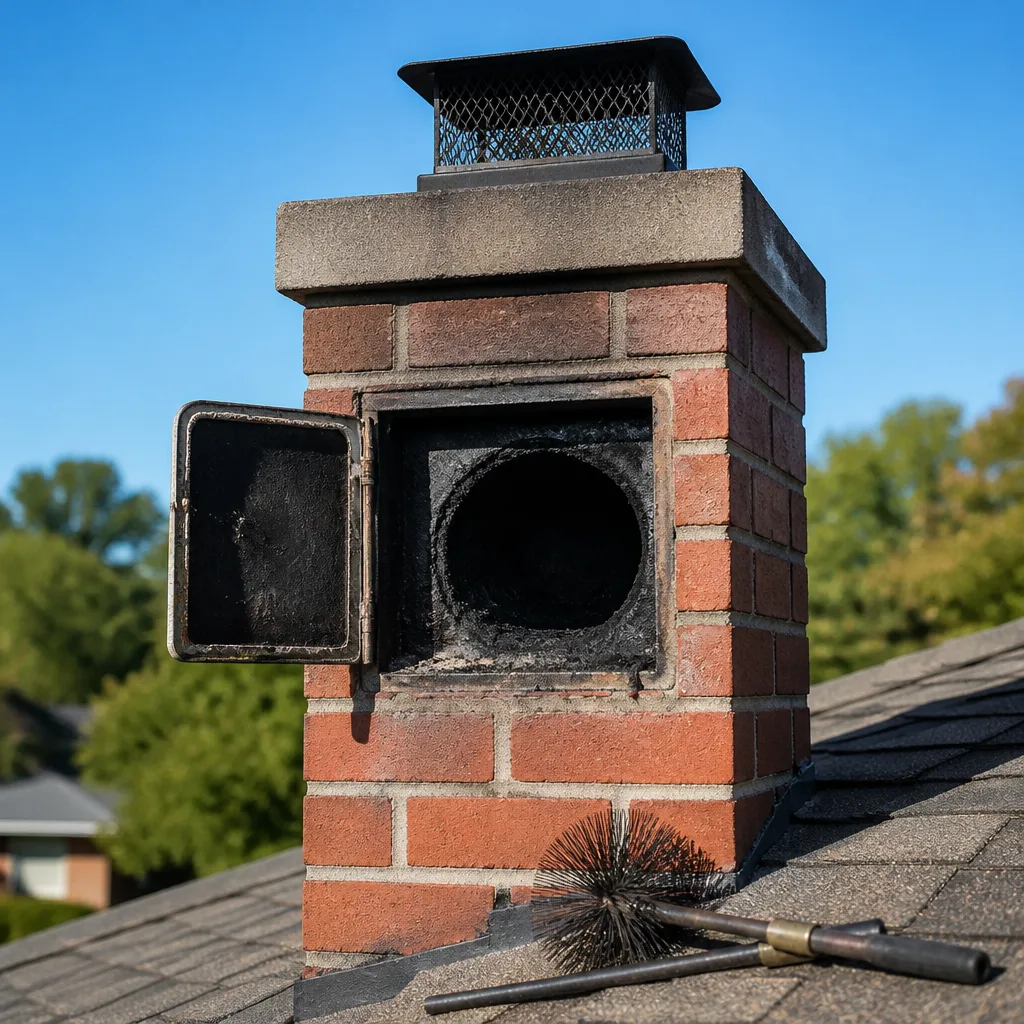 Sweep & inspection
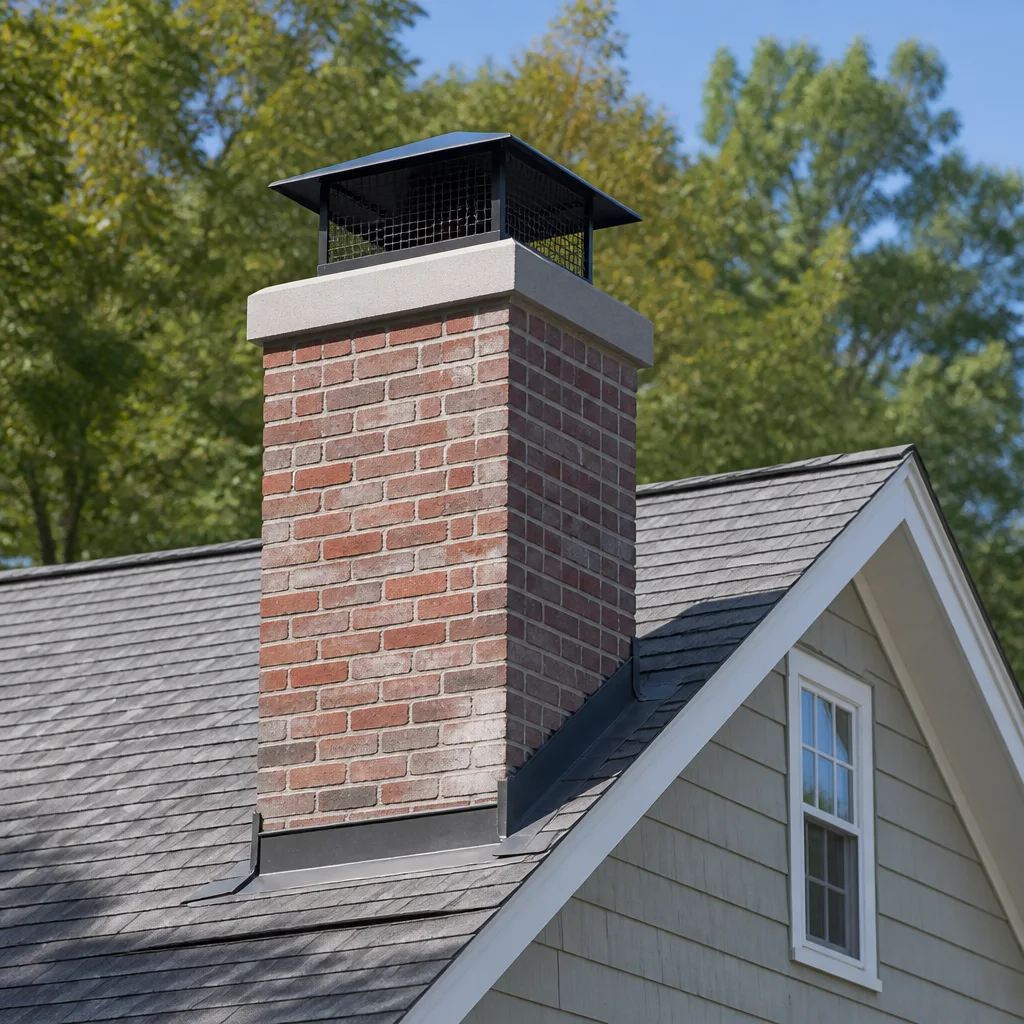 Caps & crowns
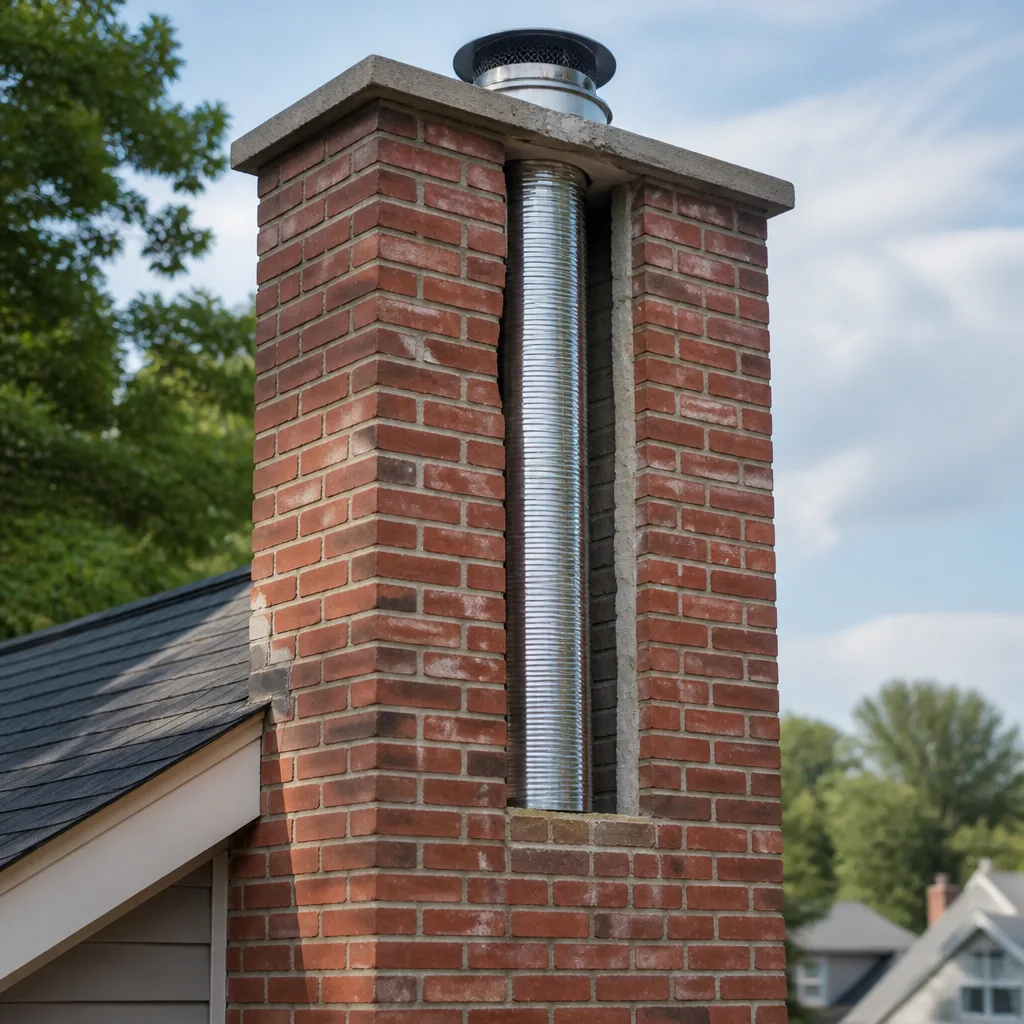 Flue relining
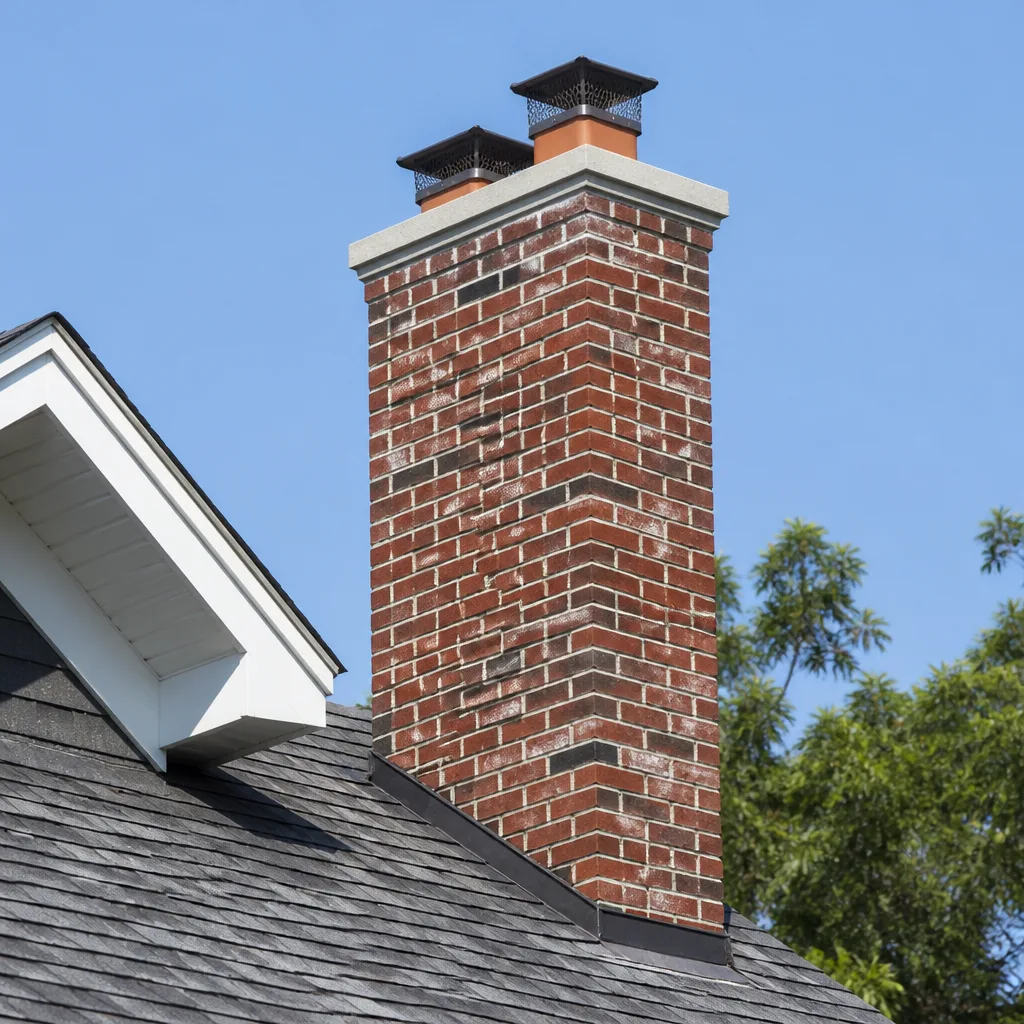 Masonry repair
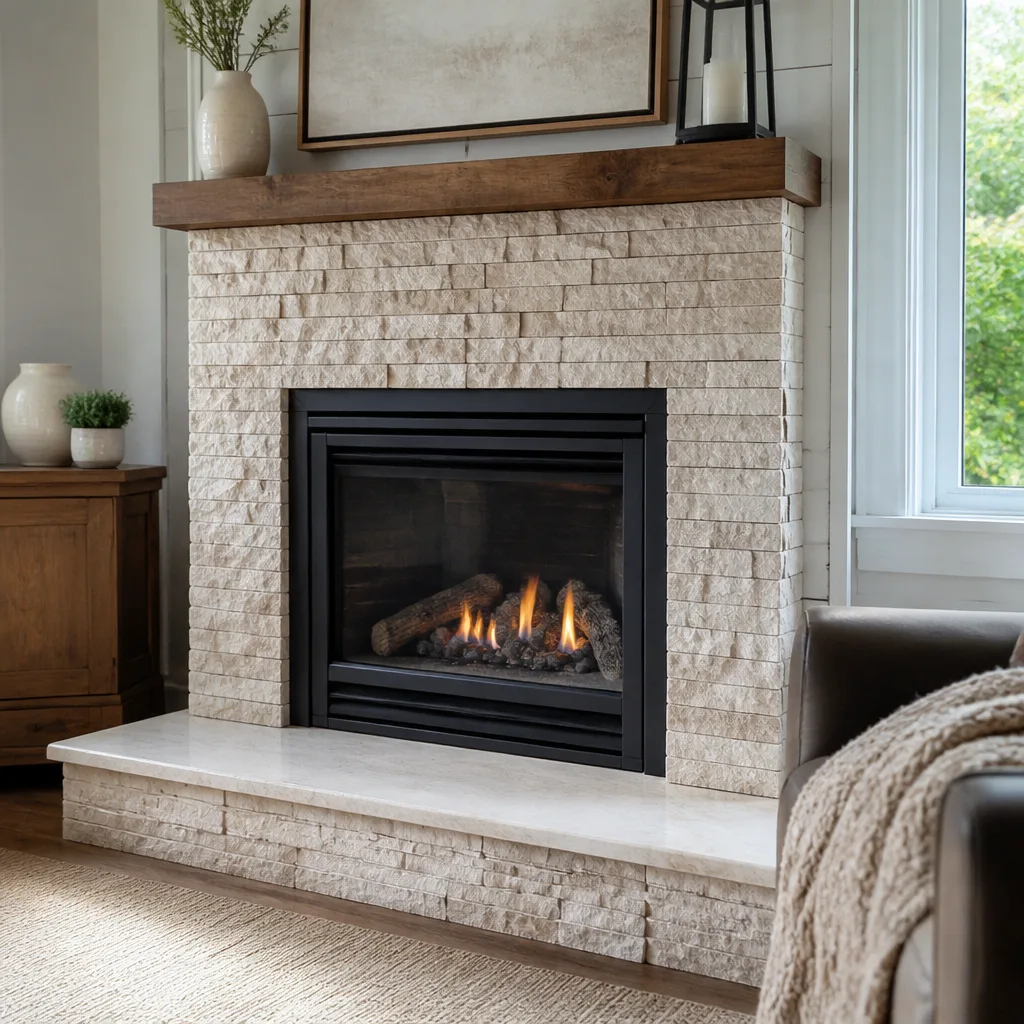 Gas fireplace service
Level 1 sweep and inspection to the NFPA 211 annual standard - flue, crown, cap, and flashing checked and photographed
Chimney sweep logs do not sweep chimneys. They loosen some creosote - which then falls where a brush and vacuum still have to collect it.
Chimney Cleaning Emergency Preparedness Guide for University City Homes
A chimney fire doesn’t introduce itself. It sounds like a low roar or a freight-train rumble inside the flue, and most homeowners who’ve never heard one write it off as wind before they realize what’s actually happening. That gap between the first sound and the first correct decision is where a small event turns into a structural problem. This guide is about closing that gap before you ever need it. It covers how to identify a chimney fire, what to do in the first ten minutes, how a failed flue ties to carbon monoxide, what to do when smoke fills the room during a fire, and what to have documented ahead of fire season. It’s written for University City homes, where older brick flues and a long heating season make all of this worth knowing in advance.
Quick Answer
If you suspect an active chimney fire, close the damper and the fireplace doors, get everyone out of the house, and call 911 from outside. Do not use the chimney again until a Level II inspection has been completed, and if a fire has happened, contact your insurer early so the documentation is done right. Carbon monoxide events, draft failures, and chimney fires each call for a different response, which is why it helps to have the steps in your head before anything happens.
Styles & brands we work with
- Sweep & inspection
- Caps & crowns
- Flue relining
- Masonry repair
- Gas fireplace service
Table of Contents
- How Do You Know It’s a Chimney Fire?
- The First Three Steps When a Chimney Fire Starts
- After the Fire: Why a Level II Inspection Comes First
- Carbon Monoxide and Your Chimney: Placement, Symptoms, and When to Evacuate
- Draft Failure During Active Use: The Safe Shutdown Sequence
- How to Pre-Position for Fire Season in University City
- Common Mistakes to Avoid
- When to Call a Professional
How Do You Know It’s a Chimney Fire?
A chimney fire usually has one unmistakable signature: a roaring, rushing, or rumbling sound that seems to come from inside the chimney itself, often described as a freight train passing nearby. If you hear that while a fire is burning, treat it as a chimney fire until you know otherwise. Not every event announces itself that loudly. Creosote fires that stay small can smolder quietly for a while and only make their presence known later.
From outside the house, look for these visible indicators:
- Thick dark smoke or a plume escaping from the top of the flue
- Sparks or embers visible above the chimney crown
- A visible glow or shimmer through the brickwork near the flue
- Popping or crackling sounds that don’t match the fire in the firebox
- Strong, acrid creosote smell inside the house, often worst in rooms far from the fireplace
Inside the house, the signals tend to be less dramatic. You might notice warped or discolored damper hardware, cracked flue tiles visible through an open damper, or a heat haze coming off the chimney breast wall. Some homeowners smell smoke that the fireplace itself can’t account for. In our experience, people tend to second-guess what they’re hearing because it’s a sound they’ve never heard before, and the “wind” explanation is tempting. Trust the rumble.
The reason all this matters in University City is that creosote accumulates faster when a chimney is cooled by long stretches of cold weather and then reopened after the shoulder seasons. An annual chimney sweep keeps the hazard load from building up, but if a fire happens, the identification step is the one everyone remembers too late.
The First Three Steps When a Chimney Fire Starts
The immediate response to a suspected chimney fire is three steps, in order, no debate: close the damper, get everyone out of the house, and call 911 from outside. That’s the entire sequence for the first minute. Everything else – boxing up family heirlooms, grabbing documents, trying to extinguish the fire yourself – belongs after the call.
- Close the damper and the fireplace doors. Cutting the air supply to the fire is the fastest way to slow it down, and it keeps backdraft smoke from pushing into the room. If your fireplace has glass doors, close them too. If it doesn’t, close the damper and step away.
- Get out of the house. Exit through the door furthest from the chimney wall, walk to a safe distance, and stay there. Do not go back in for anything until the fire department says it’s safe.
- Call 911 from outside. Describe what you heard and saw. Tell the dispatcher whether the fire is still burning, whether there’s visible smoke or embers at the chimney top, and whether anyone is unaccounted for.
One thing to understand about wood-burning fireplaces in University City homes: the older brick chimneys are generally solid, but they’re not infinitely resistant. Sustained high heat can crack flue tiles, warp a damper, and open gaps in the mortar joints. A fire that starts as a flue event can migrate to wood framing within the chimney chase if the tiles crack and leave the surrounding structure exposed. That’s why exiting and calling is the only sensible response, not just for safety but for the insurance conversation later.
What you should not do: don’t throw water into the firebox of a hot fire (thermal shock can crack tiles and the firebox), don’t open the damper to “let the smoke out,” and don’t assume a small fire is over because the noise stopped. Embers stay hot long after a chimney sounds quiet.
After the Fire: Why a Level II Inspection Comes First
After any suspected chimney fire, the system has to be treated as damaged until a Level II inspection proves it isn’t. That means no more burning – not one fire, not a quick test fire, not until the inspection is complete. This is not a cautious suggestion. It’s the standard in the trade, and it’s what your insurance carrier will ask about after a fire.
What a Level II inspection actually involves
A Level II inspection goes beyond a visual check of the firebox. It’s a visual inspection of the accessible portions of the chimney, including the flue, often using a camera to see the full length of the flue interior when there’s an obstruction or damage concern. For a post-fire inspection, the technician is looking for:
- Cracked, spalled, or shifted flue tiles
- Damaged or warped damper hardware
- Failed mortar joints in the chimney chase
- Creosote glazed and cracked by heat (stage 3 creosote)
- Crown or cap damage from heat or drifting embers
- Any displacement in the smoke chamber or smoke shelf
What to expect structurally
Minor flue-tile cracking is common after a chimney fire and can often be addressed with ceramic resurfacing like HeatShield rather than a full reline, depending on severity. Heavily damaged tiles or gapped joints frequently call for a flexible stainless liner – a DuraFlex or Olympia Chimney system, for example. Crown damage is common too if embers escaped through the flue top, which is one more reason chimney cap & crown work is inspected after any fire. The point of the inspection is to find out which category the system is in before anyone recommends anything.
Insurance documentation
Contact your insurer promptly after a chimney fire, and ask specifically for:
- The inspection report itself, with photographs of any damage found
- A written scope of the recommended repair, with brand names and materials
- An itemized estimate, if you choose to pursue a claim
- Copies of any previous inspection reports you have on file
Adjusters work best with photographs and a written report from a chimney specialist, not a general handyman’s note. That’s a theme that comes up in University City and elsewhere, and it’s covered in more depth on our Chimney Sweep University City page.
Carbon Monoxide and Your Chimney: Placement, Symptoms, and When to Evacuate
A blocked, cracked, or failed chimney flue is one of the more underappreciated sources of carbon monoxide inside a home. CO is colorless and odorless, so the only defenses are working detectors and a flue that vents correctly. When the flue drafts properly, combustion gases exit through the chimney top. When it doesn’t – because of a blocked flue, a cracked liner, a closed damper, or bird or animal nesting – those gases can spill back into the living space.
Why CO detector placement near the fireplace matters
CO disperses through the air, so where you place a detector changes whether it senses a problem in time. The goal is a detector close enough to the fireplace to catch a spill before it reaches the bedrooms, but not mounted directly above the firebox where normal startup smoke affects it. A CO detector in the same room as the fireplace, plus one on each level of the home, is a sensible baseline. Check the manufacturer’s placement guidance, since mounting height differs by model.
What CO symptoms look like
- Headache, dizziness, or drowsiness that improves when you leave the house
- Nausea or a vague “flu” feeling that hits multiple people at once
- Confusion or poor coordination in more serious exposures
- Pets acting lethargic or unwell while indoors
- Detector alarm sounding, with no other explanation
Call vs. evacuate
If the CO detector sounds and anyone in the home is symptomatic, evacuate immediately and call 911 from outside. If the detector sounds and everyone feels well, open windows, shut off the fireplace, get out, and call the fire department to evaluate. Do not ignore a detector that “seems faulty” – replace it after the incident, but treat the alarm as real first. Once the source is suspected, the chimney itself needs a professional assessment before the fireplace is used again.
Chimney emergencies involving CO share one feature: they’re quiet. That’s the argument for a working detector and a clear head, not a dramatic story.
Draft Failure During Active Use: The Safe Shutdown Sequence
Smoke filling the room during an active fire means the chimney isn’t drafting. The immediate response is to stop feeding the fire, close the damper and glass doors if you can do so safely, open a nearby window to relieve pressure, and get everyone, especially children and pets, out of the smoky room. If smoke is heavy or anyone feels unwell, leave the house and call 911. This is not the moment for a home diagnosis attempt.
The safe shutdown sequence
- Stop adding wood immediately. Let the existing charge burn down.
- Close the glass doors if you have them. Close the damper only if it can be done safely without drawing more smoke into the room.
- Open a nearby window or door a few inches to relieve the indoor pressure imbalance.
- Move everyone out of the smoky room and, if smoke is heavy, out of the house.
- Do not relight the fireplace until the flue is inspected. A second fire in a failing flue compounds the problem.
Most common emergency causes a sweep resolves same-visit
- Blocked flue from bird or animal nesting, especially in spring and early summer
- Heavy creosote load that narrows the flue and slows the draft
- A chimney cap that’s missing, fallen, or clogged
- Closed or partially closed damper left over from a previous fire
- Cold flue conditions when the weather hasn’t shifted yet
Draft failure is less often about the fire than about the flue. In University City, where the heating season runs long and spring nests get established very quickly, blocked flues are one of the most common causes we see. An annual chimney sweep catches most of these before they become an active-fire emergency. If the event damages a fireplace component like glass doors, a damper, or a firebox liner, fireplace repair is the next conversation.
How to Pre-Position for Fire Season in University City
The best time to prepare for a chimney emergency is before the first cold week of the season, when the fireplace is still cold and the flue can be inspected without a fire in it. Pre-positioning means building a small file of information that emergency responders and insurance adjusters will both need if anything happens.
What to document before fire season
- Photos of your chimney and fireplace. Full exterior, flue top, firebox, damper, and glass doors. Dated photos establish a baseline.
- Last inspection date and report. Keep the written report, with any photos from that inspection.
- Liner material and install date. Whether it’s a clay tile original to the house, or a stainless system like DuraFlex or Olympia Chimney that was installed later, note it. If you don’t know, the inspection report should tell you.
- Cap and crown condition. A quick photo of the crown and cap each fall is a useful record, since ember escape and water intrusion both start there.
- CO detector locations and battery replacement dates. Written down where you can find them under stress.
- Insurer information. Policy number, claims phone number, and the name of anyone you’ve spoken with about the chimney.
- A short emergency sheet. Three steps for a chimney fire, three for a CO alarm, and where the gas shutoff is if you have an appliance nearby.
Two more pre-season items worth doing: schedule the annual chimney sweep and inspection before the first burn, and check the cap and crown visually from the ground. Cap damage is easy to spot from outside, and a missing or damaged cap is one of the simplest problems to fix before it becomes a blocked flue. In our experience, a short written record of the system is what makes the insurance conversation after an event far less painful.
Common Mistakes to Avoid
- Relighting “just to test it” after a fire. A second fire in a chimney with cracked tiles or glazed creosote adds heat damage to an already compromised flue. Wait for the Level II inspection.
- Assuming a small fire didn’t count. A creosote fire that lasted a few minutes can still crack tiles and warp a damper. Treat any suspected event as a real event until the inspection says otherwise.
- Placing the CO detector in a hallway far from the fireplace. That placement catches CO only after it has spread. Put a detector in the fireplace room and on each level.
- Burning “paper to clear the chimney” once draft fails. More smoke is the opposite of what a struggling flue needs. Stop feeding the fire, ventilate, and get it inspected.
- Skipping the annual sweep because the fireplace “looks clean.” Creosote accumulates where you can’t see it, especially in an older University City home where the flue tile joints may not be tight. Sweep first, inspect second, judge from there.
- Relying on memory for insurance details. The time to find your policy number is not while the fire department is on the lawn. Keep it written down with your chimney file.
- Letting a contractor without chimney training handle a post-fire repair. A general handyman can patch a wall but can’t reliably diagnose a flue tile failure or decide between HeatShield resurfacing and a full reline. Use a chimney specialist.
Each of these is cheap to avoid and expensive to recover from. In University City, we see more of the “looks clean” and “small fire” mistakes than anything else, and both are avoidable with a single inspection.
When to Call a Professional
Call a chimney professional if you’ve heard a roar or rumble inside the flue, smelled a strong creosote odor with no fire burning, seen sparks or embers above the chimney top, had smoke fill the room during a fire, or had a CO detector alarm you can’t explain. Also call if it’s been a full season or more since the last sweep, if the cap or crown looks damaged from the ground, or if the damper is warped or hard to close. Pre-season calls are the easiest: a cold flue can be swept and inspected without delay. Chimney Sweep University City offers free estimates in University City – call (855) 658-5324. We answer 24/7. Fast dispatch from 7am to 7pm, Sunday through Friday. Our technicians have up to 8 years of experience, and we work with professional brands including DuraFlex, Olympia Chimney, and HeatShield so the fix is matched to the diagnosis.
See the difference
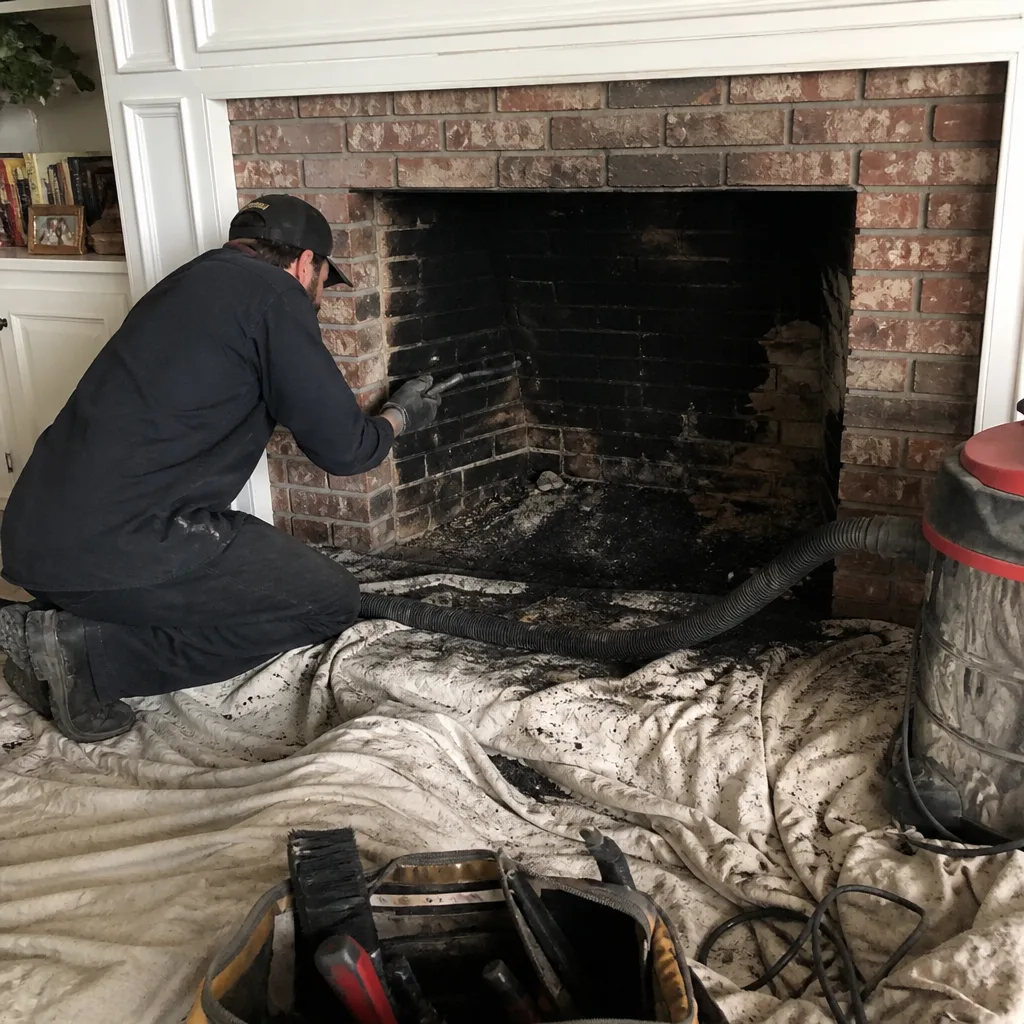 Before
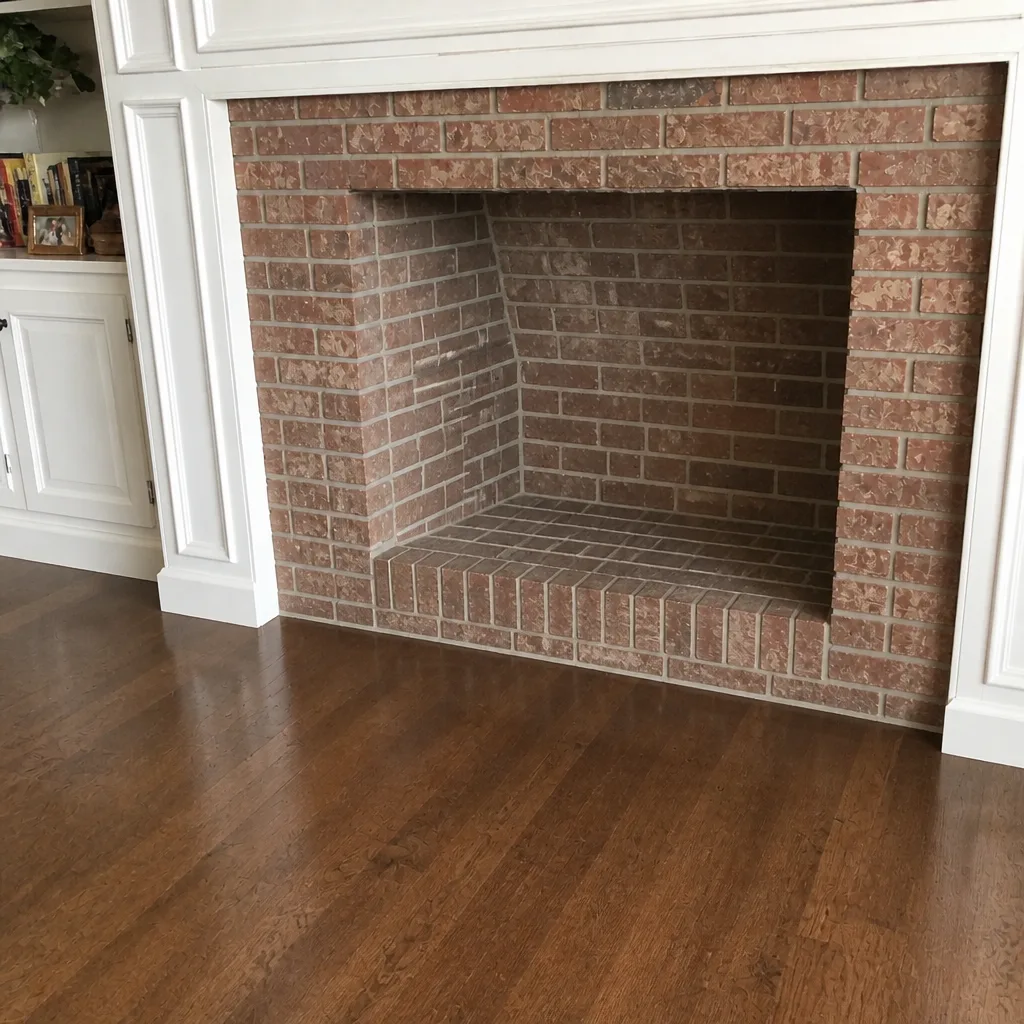 After
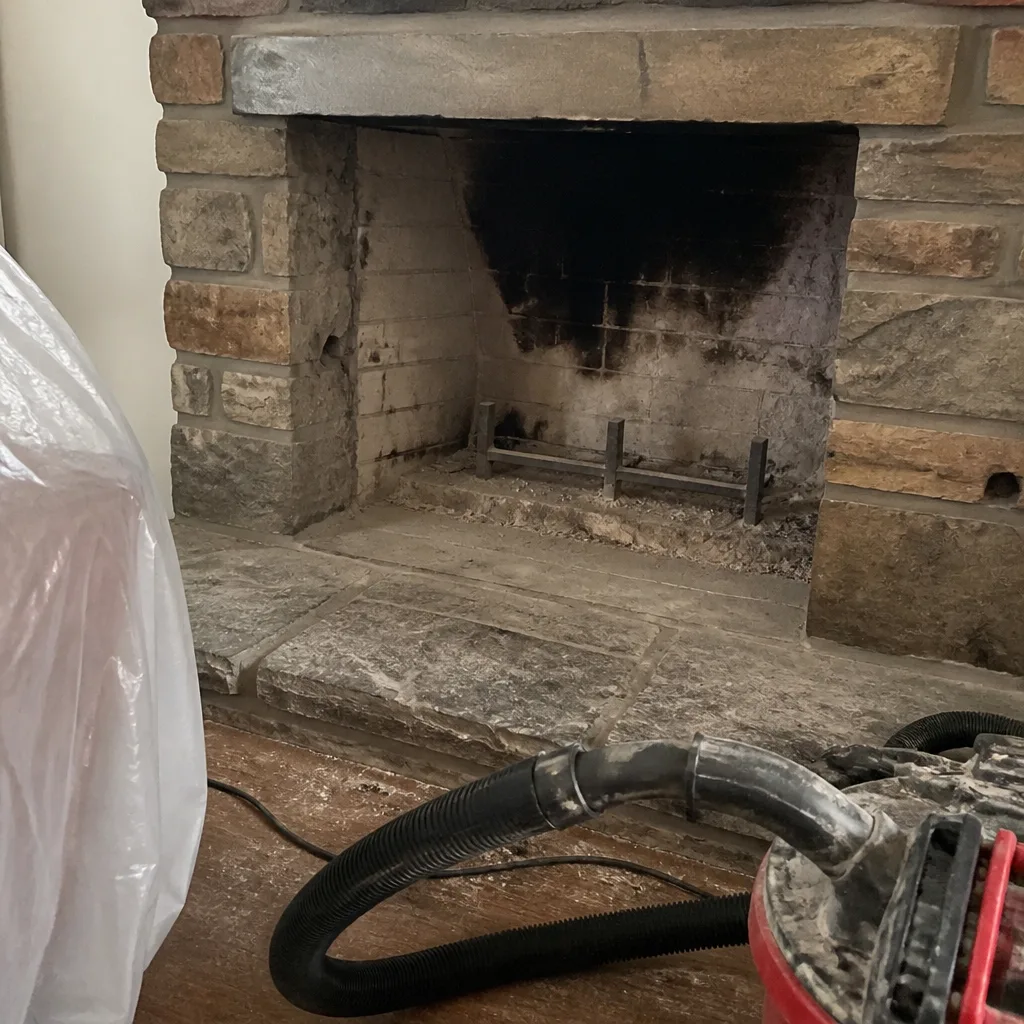 Before
 After
 Before
 After
Frequently Asked Questions
Close the damper and the fireplace doors, get everyone out of the house, and call 911 from outside. That’s the entire first step – no other action improves the outcome. Once the fire department has cleared the scene, contact your insurer and schedule a Level II inspection before the chimney is used again.
Once a year for most homes, and more often if the fireplace gets heavy use or you burn unseasoned wood. The sweep is the plain cleaning step, and the inspection is what tells you whether anything needs repair. Call (855) 658-5324 for an exact quote – estimates are free.
Yes, because the damage is rarely in proportion to the size. Even a short creosote fire can crack flue tiles, warp a damper, and leave the flue lined with glazed, flammable deposits. The right question isn’t how big the fire was, it’s what the flue looks like now. Call (855) 658-5324 for an exact quote – estimates are free.
In the same room as the fireplace, plus one on each level of the home. Not mounted directly above the firebox where startup smoke affects it, and not tucked in a far hallway where the alarm comes late. Follow the manufacturer’s mounting guidance for the exact height. If the alarm sounds and anyone has symptoms, evacuate and call 911.
Not until the flue has been inspected. Smoke in the room means the chimney isn’t drafting, and the most common causes – a blocked flue, a missing or damaged cap, or a heavy creosote load – get worse with each fire. A sweep can resolve most of them in a single visit. Call (855) 658-5324 for an exact quote – estimates are free.
Not always. The decision comes from what the Level II inspection actually finds. Cracks that compromise the flue tiles often call for a flexible stainless system like DuraFlex, while moderate deterioration may be brought back with HeatShield ceramic resurfacing. We don’t recommend one before the inspection, and the inspection report tells you which is needed. Call (855) 658-5324 for an exact quote – estimates are free.
Photos of your chimney and fireplace, your last inspection report, the liner material and install date, CO detector locations, and your insurer’s claims contact. Keep them together and you’ll have what both the fire department and the adjuster ask for. In University City, a small written file makes the whole conversation easier.
The Bottom Line
Chimney emergencies are rare, but they’re rememberable for good reason, and the first ten minutes matter more than anything that follows. Close the damper, get out, call 911 for a chimney fire. Evacuate on a CO alarm with symptoms. Stop feeding a fire that’s smoking into the room. After any event, no more burning until a Level II inspection has been completed. Pre-positioning – a dated photo record, an inspection report, a known liner material, a working CO detector – makes the insurance and repair steps much easier to absorb. Schedule the annual sweep before fire season, not after. Chimney Sweep University City covers the whole system from the firebox floor to the chimney crown, and free estimates are one call away. Call (855) 658-5324. We answer 24/7. Fast dispatch from 7am to 7pm, Sunday through Friday.
Written by the team at Chimney Sweep University City.