
Last updated November 22, 2026
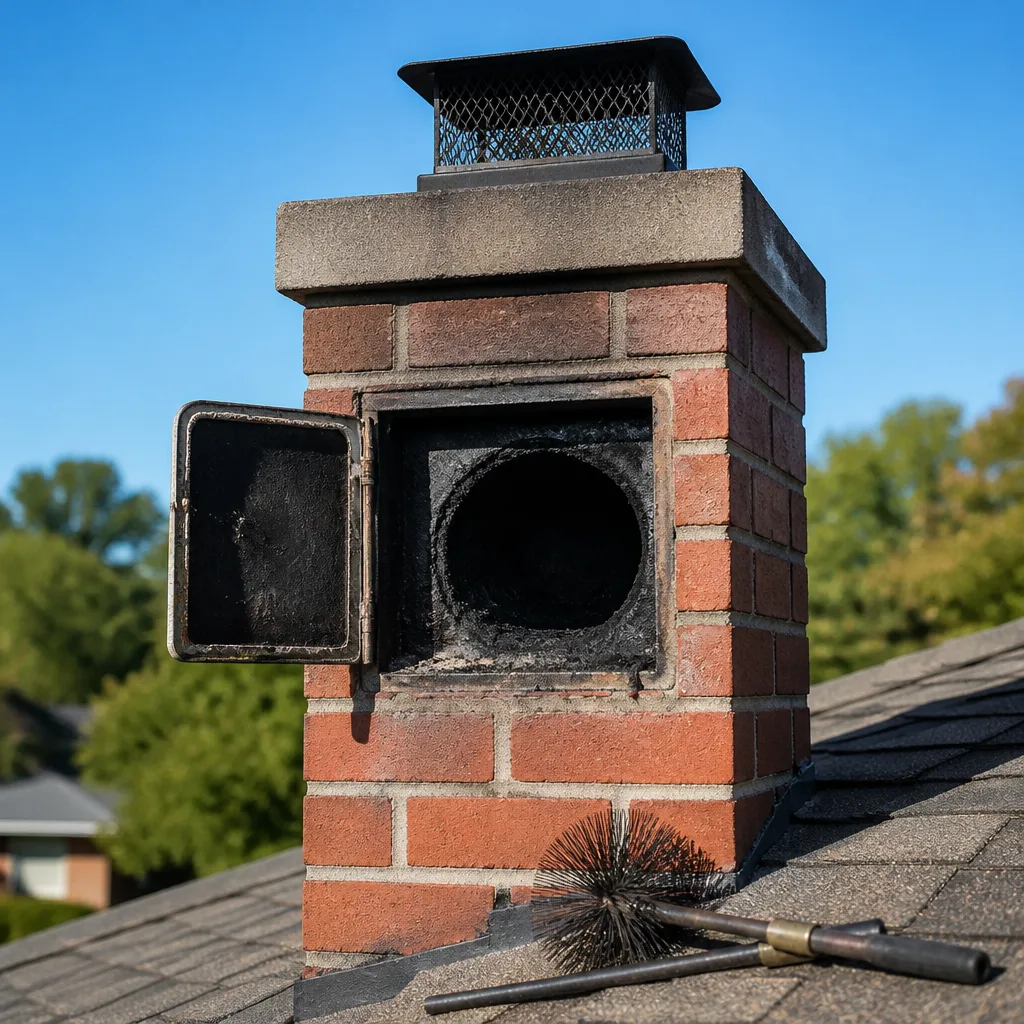 Sweep & inspection
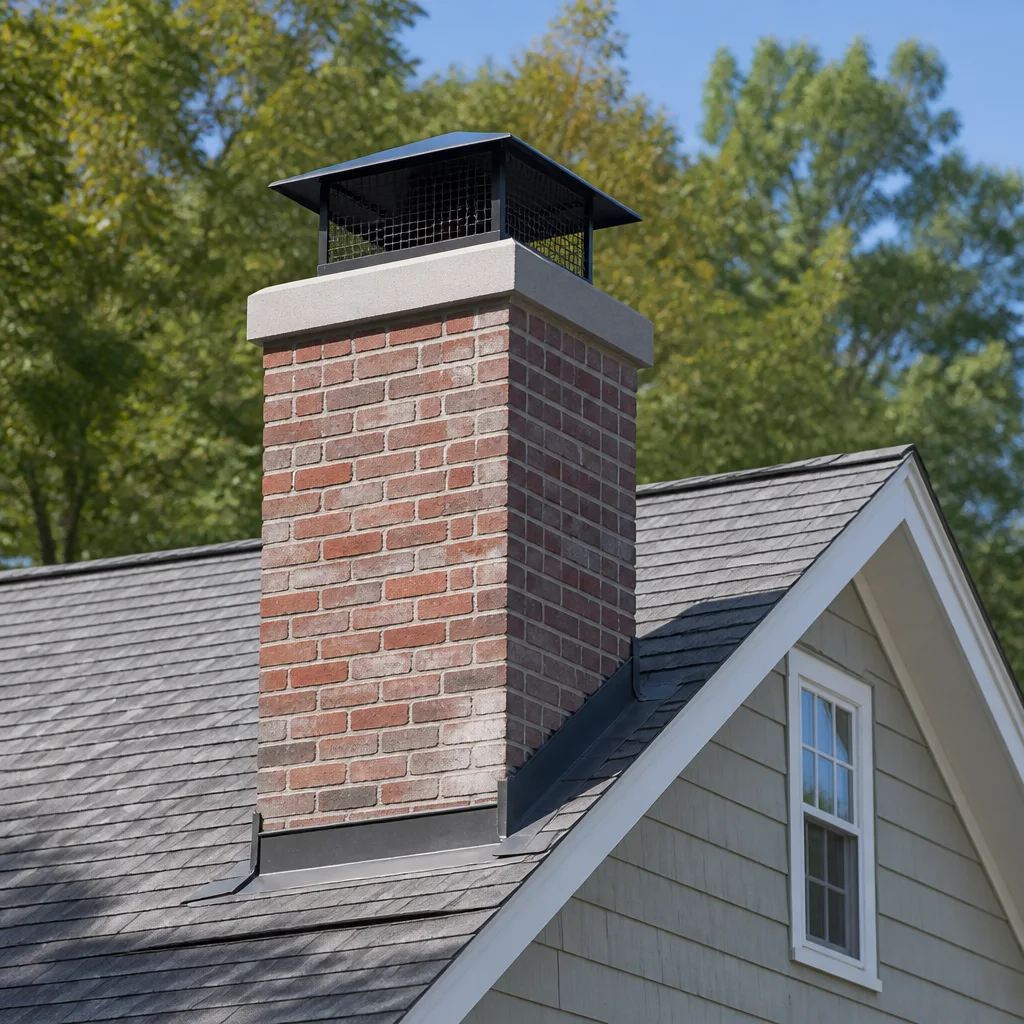 Caps & crowns
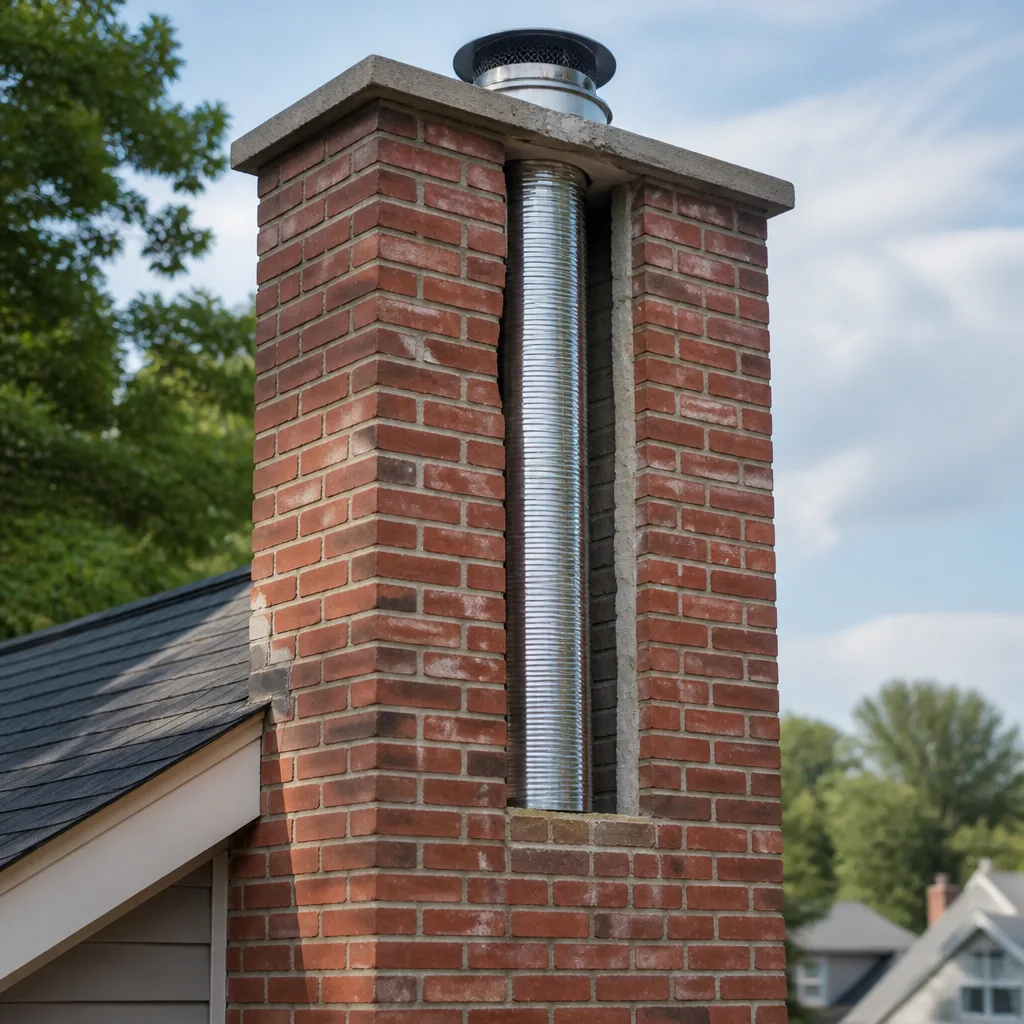 Flue relining
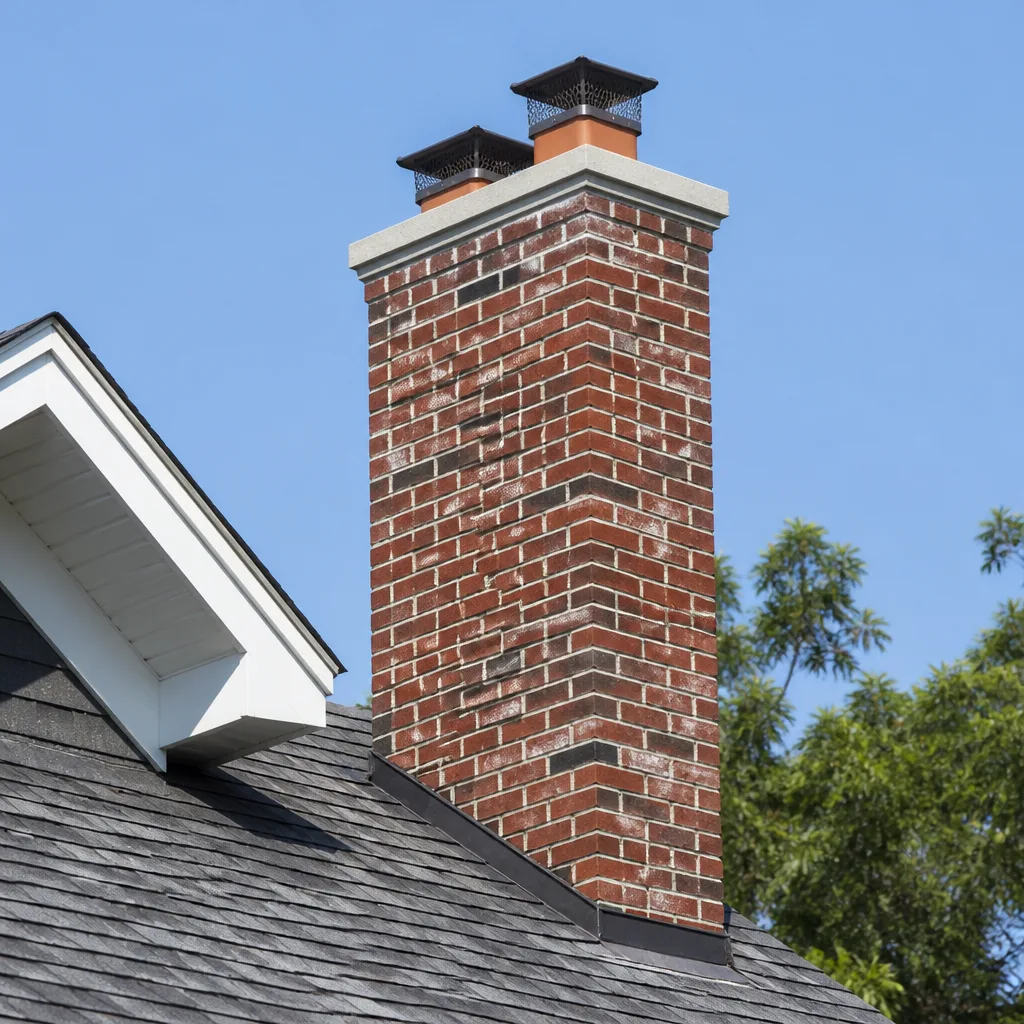 Masonry repair
 Gas fireplace service
Level 1 sweep and inspection to the NFPA 211 annual standard - flue, crown, cap, and flashing checked and photographed
Chimney sweep logs do not sweep chimneys. They loosen some creosote - which then falls where a brush and vacuum still have to collect it.
How to Hire a Chimney Cleaning Contractor in University City: A Step-by-Step Guide
In North Carolina, anyone can legally call themselves a chimney sweep tomorrow. There is no state license required for the trade, so the barrier to entry is effectively zero. That single fact changes how you should hire. The question isn’t “who’s licensed?” because nobody has to be. The question is: what proof can this person show you that they know what they’re looking at once they’re on your roof? This guide walks you through exactly which credentials mean something, which questions separate a real specialist from a brush-and-go operator, and what a proper job site should look like in University City. By the end, you’ll know how to read an estimate, spot the red flags, and hire with confidence.
Quick Answer
To hire a chimney cleaning contractor in University City, verify CSIA certification (the industry’s real credential), confirm the company carries both general liability and workers’ comp insurance, insist that a camera inspection is included with the sweep, and ask for a written report in a format you can actually read. Avoid any operator who quotes significantly below the local market without explanation or pushes you to decide on repairs the same day. A quick sweep with no inspection tells you nothing about your liner or crown, so hire for diagnosis, not just cleaning.
Styles & brands we work with
- Sweep & inspection
- Caps & crowns
- Flue relining
- Masonry repair
- Gas fireplace service
Table of Contents
- Why North Carolina Has No Chimney Sweep License (and What to Check Instead)
- What CSIA Certification Actually Tests
- The Five Questions to Ask Before You Book
- Red Flags During the Estimate
- What a Legitimate Job Site Looks Like
- Why a Chimney Specialist Beats a General Handyman
- What Chimney Work Costs in University City
- How University City’s Climate and Housing Affect Your Chimney
Why North Carolina Has No Chimney Sweep License (and What to Check Instead)
North Carolina doesn’t issue a chimney sweep license. There’s no state board exam, no continuing education requirement, and no registry you can search to confirm the person on your roof has ever done the work before. In a state like this, the certification a company holds is voluntary. That’s exactly why it matters. A sweep who went out of their way to earn a credential chose to be held to a standard; a sweep who didn’t may not know what a compromised liner looks like.
Because the state won’t verify competence, your hiring checklist has to do it for you. Before you book anyone in University City, ask for three things:
- Proof of general liability insurance. This covers damage to your home if something goes wrong on the job. Ask for a certificate of insurance and confirm it’s current.
- Proof of workers’ compensation coverage. This is the one homeowners forget. If a technician is injured on your property and the company doesn’t carry workers’ comp, the liability can land on you as the homeowner. General liability does not cover this.
- A CSIA certification or equivalent. The Chimney Safety Institute of America is the recognized national credential, and it’s the one worth asking about. You’ll find more on what it tests below.
None of these are optional extras. Together they’re the closest thing North Carolina offers to a license, and any contractor worth hiring will provide them without pushing back. If a company hesitates on the insurance question, that hesitation is your answer. Move on.
What CSIA Certification Actually Tests
CSIA certification means a technician has passed a written exam on chimney and venting systems and agreed to a code of ethics. It’s not a guarantee of good workmanship, but it’s the only third-party credential in the trade, and it tests more than sweeping technique. The exam covers NFPA 211, the national standard for chimneys, fireplaces, vents, and solid-fuel appliances. That means a certified technician has been tested on clearances, venting requirements, liner condition criteria, and what constitutes a defect versus normal wear.
What that credential means for you in practice:
- A certified technician can tell you whether a flue is appropriately sized for the appliance connected to it. An oversized or undersized flue causes draft problems decades after installation.
- They understand the difference between a Level I, Level II, and Level III inspection, and which one your situation calls for.
- They can evaluate the crown of your chimney for structural integrity instead of just noting “some cracking.”
- They know what heat-rated materials are acceptable in a liner or flue repair, and which are not.
A chimney sweep is the first step, and a chimney inspection tells you what actually needs attention. That distinction is the whole reason certification matters in University City. An uncertified sweep can push a brush through a flue and clean it fine. What they can’t necessarily do is tell you whether the flue you just cleaned is safe to burn in, whether the liner has been compromised by heat, or whether your crown needs repair before the next season.
The Five Questions to Ask Before You Book
Ask these five questions before scheduling. Each one is designed to surface something a serious contractor will answer plainly and a brush-and-go operator will fumble. Write the answers down so you can compare companies fairly.
- Which insurance do you carry? Ask specifically about general liability and workers’ compensation, and ask for a certificate. A company that only mentions general liability is missing the coverage that protects you from an injury claim.
- Is a camera inspection included in the sweep? A camera inspection is how a technician actually sees the inside of a flue. Without one, you’re paying for a clean flue with an unverified condition.
- What format is the written report? Ask whether they’ll give you a written report with photos and a written explanation of findings, or just a verbal “all good.” You should receive documentation you can keep.
- What materials would you use for any liner work? If repairs are needed, the answer should name specific product lines. In our experience, a contractor who can’t name the liner system they’d use probably hasn’t installed many. We install DuraFlex flexible stainless liners and apply HeatShield ceramic resurfacing, and those names come up because they’re the materials our work depends on.
- What are your warranty terms? Ask for the warranty in writing before any repair proceeds. A sweep with no stated warranty on the work is telling you something.
The answers to these five questions will sort the field faster than any review search. A company that answers all five clearly is a company that has thought about professional accountability. Call (855) 658-5324 to ask us any of these directly, and we’ll answer them the same way we do on the job.
Red Flags During the Estimate
The estimate visit is where most bad hiring decisions happen, and the warning signs are usually visible. Watch for these during the on-site assessment:
- Vague scope of work. If the estimate says “sweep and inspect” with no detail on what the inspection includes or what condition thresholds trigger a repair recommendation, the scope is too loose to hold anyone accountable.
- No camera mentioned. A contractor who never brings up a camera is a contractor who plans to make recommendations without seeing inside the flue.
- Pressure to decide the same day. Urgency is a sales technique, not a diagnostic method. A real chimney problem doesn’t become an emergency in the ten minutes it takes to pressure you into a signature.
- A quote far below market with no explanation. Below-market pricing usually means a smaller scope than you think, no insurance behind the work, or shortcuts you’ll pay for later. Ask why the number is low, and be skeptical of an answer you can’t follow.
- Recommendations with no evidence. “You need a new liner” is not a diagnosis. A diagnosis is a camera image, an explanation of what the image shows, and a recommendation that follows from it.
No upsells is a standard worth holding contractors to. If we find something, we show you what it is and give you a straight answer on whether it needs fixing now. The same should hold for anyone you hire in University City.
What a Legitimate Job Site Looks Like
A trained crew treats your home like a home. When they arrive, you should see specific setup steps before any brush goes up the flue:
- Drop cloths laid at the firebox and along the path. Soot travels. A proper setup confines it to the cloths, and a rushed job leaves a dust trail from the front door to the hearth.
- A HEPA vacuum running at the firebox. A HEPA vacuum at the firebox captures fine ash before it goes airborne. A shop vac without HEPA filtration just recirculates it into the room.
- Chimney access equipment in use, not improvised. Roof access should involve proper ladders, roof protection, and fall-safety setup. If the technician is on the roof without fall protection, that tells you how they handle risk generally.
- A camera inspection after the sweep. The inspection should happen after the flue is clean so the camera can actually see the liner surface, and the technician should be able to show you the images.
A rushed job looks different: no drop cloths, no vacuum, a ladder pulled from the truck with no roof protection. In University City, where homes range from older brick construction to newer builds with factory-built fireplaces, the right access setup varies; a crew that adjusts to the house knows what they’re doing, and a crew that doesn’t is running a script. From the firebox floor to the chimney crown, we service the entire system, and that whole-system view starts with how the job site is set up.
Why a Chimney Specialist Beats a General Handyman
A general handyman can clean a flue. What a handyman usually can’t do is evaluate it. There’s a real difference between a connection to a chimney sweep and a connection to someone who sweeps as a side service between gutter cleans and drywall patches. The sweep part is the easy half. The diagnosis is the half that keeps your home safe, and diagnosis is a trained skill.
Here’s what separates the two:
- Inspection training. A specialist has been trained to evaluate liner condition, crown integrity, flue sizing, and clearances against a national standard. Those judgments require knowing what normal wear looks like versus a developing defect.
- Access to proper materials. When a repair is needed, a specialist installs a product rated for the job. We work with a curated roster of professional-grade brands including Olympia Chimney, Famco, and Copperfield, and we apply HeatShield ceramic resurfacing when a liner can be restored rather than replaced. A handyman can’t offer that option because they don’t carry the product knowledge to apply it correctly.
- Whole-system perspective. A chimney is a system: firebox, flue, crown, cap, and the structure around them. A specialist sees how a problem in one part affects the others, which is why we treat chimney cap & crown work as preventive engineering rather than an upsell.
- One call for the full job. When a sweep turns up a crack in the firebox, a specialist can handle the fireplace repair without sending you to a second contractor.
HeatShield is a good example of the difference. It’s a ceramic flue restoration system that can extend the life of a liner without full replacement, and it requires specialized product knowledge to apply. A generalist sweep who doesn’t know the product can’t offer the cost-saving option. When you’re choosing between contractors in University City, the ability to offer a restoration option instead of only replacement is a sign you’re talking to a specialist.
What Chimney Work Costs in University City
Chimney pricing is set per job by a written estimate because every flue is different, and because the state has no licensing standard, pricing in this market varies widely. What you can expect is a written estimate that breaks down the scope before any work is scheduled, with the price fixed by that estimate. For reference, a standard sweep with a basic inspection is the entry point, and repair work is priced separately once the diagnosis is complete. When comparing estimates, compare the scope, not just the bottom line. A low number that covers only the sweep isn’t the same job as a higher number that includes the camera inspection and written report.
The trust question matters more than the number. Your real hesitation is being told you need thousands of dollars of liner or masonry work you have no way to verify. The answer is camera evidence. Nothing should be recommended without it, and you should see the images yourself. A specialist will also tell you plainly when a repair can safely wait, because the urgency in chimney work is seasonal, not hourly. The sweep gets booked before burning season, and a repair flagged in spring can often wait until fall if the evidence supports it. Call (855) 658-5324 for an exact quote from your written estimate, free of charge.
How University City’s Climate and Housing Affect Your Chimney
University City sits in the Piedmont, and the climate here shapes what chimney problems show up and when. North Carolina’s humid summers and freeze-thaw winters put stress on masonry. Water that gets into brick or mortar during a wet stretch expands when it freezes, and repeated cycles open cracks wider over time. That’s why the crown of your chimney matters so much: a crown in good condition sheds water away from the masonry, and a crown with cracking lets water in. The roof and crown are the top of the system, and protecting them protects everything below.
Housing stock in University City runs from established brick homes to newer subdivisions with factory-built fireplaces and stainless liners. Older brick chimneys tend to show mortar joint wear and crown cracking; newer factory-built systems tend to need their liners verified and their caps kept clear. Timing matters too. Chimneys are used most heavily in the cooler months, and the inspection that catches a developing problem is best done before the first cold snap. A sweep in early fall gives you time to schedule any repair before you need the fireplace, without rushing.
This is also the reason a cap on the chimney isn’t a decoration. A missing or damaged cap lets rain, birds, and debris into the flue. In a climate with wet springs and occasional heavy summer storms, that’s not a cosmetic issue; it’s water getting direct access to the liner. Cap and crown work is preventive work, and it’s cheaper than the repairs it prevents.
Common Mistakes to Avoid
- Hiring on price alone. The cheapest sweep in University City is often the one with no insurance and no camera. You’re paying for a cleaning with no diagnosis attached, which isn’t the same service.
- Skipping the insurance question. If a company only mentions general liability and doesn’t carry workers’ comp, an injury on your property can become your liability. Ask for both certificates.
- Accepting a recommendation with no camera evidence. No liner or masonry recommendation should move forward without images you can look at yourself. If a contractor won’t show you, they’re describing a problem you have no way to verify.
- Confusing a sweep with an inspection. A sweep cleans the flue. An inspection evaluates the liner, crown, and clearances. Booking a sweep alone and assuming you’re covered leaves the condition of the system unknown.
- Letting a missing cap go unrepaired. University City gets rain in every season. An open flue top is water access to the liner, and the repair is minor compared to the damage it prevents.
- Deciding under pressure. A same-day decision on a thousands-of-dollars repair is a red flag. A real specialist will explain the diagnosis and give you time to review the written estimate.
- Hiring a generalist for a structural problem. Cracked crowns, compromised liners, and damaged fireboxes call for a specialist with the training and materials to do the repair, not a handyman running a side service.
See the difference
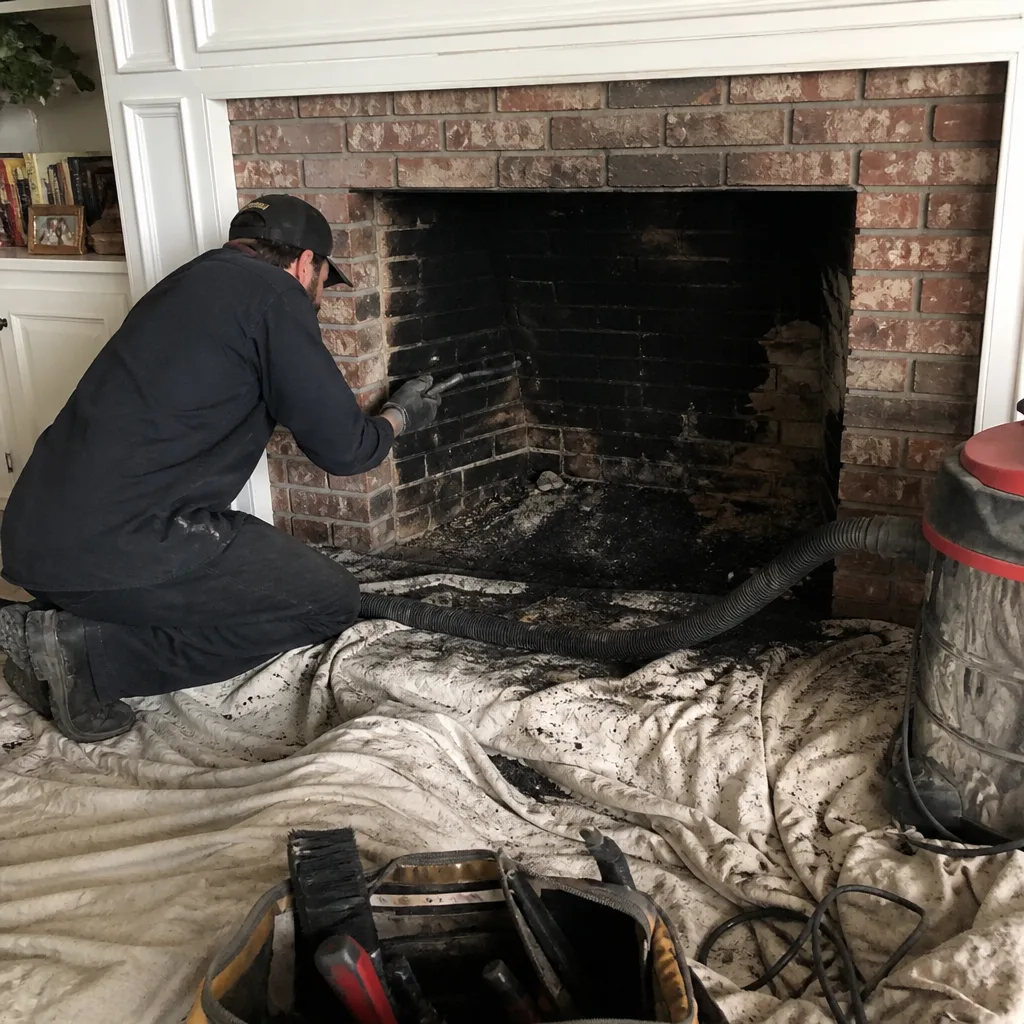 Before
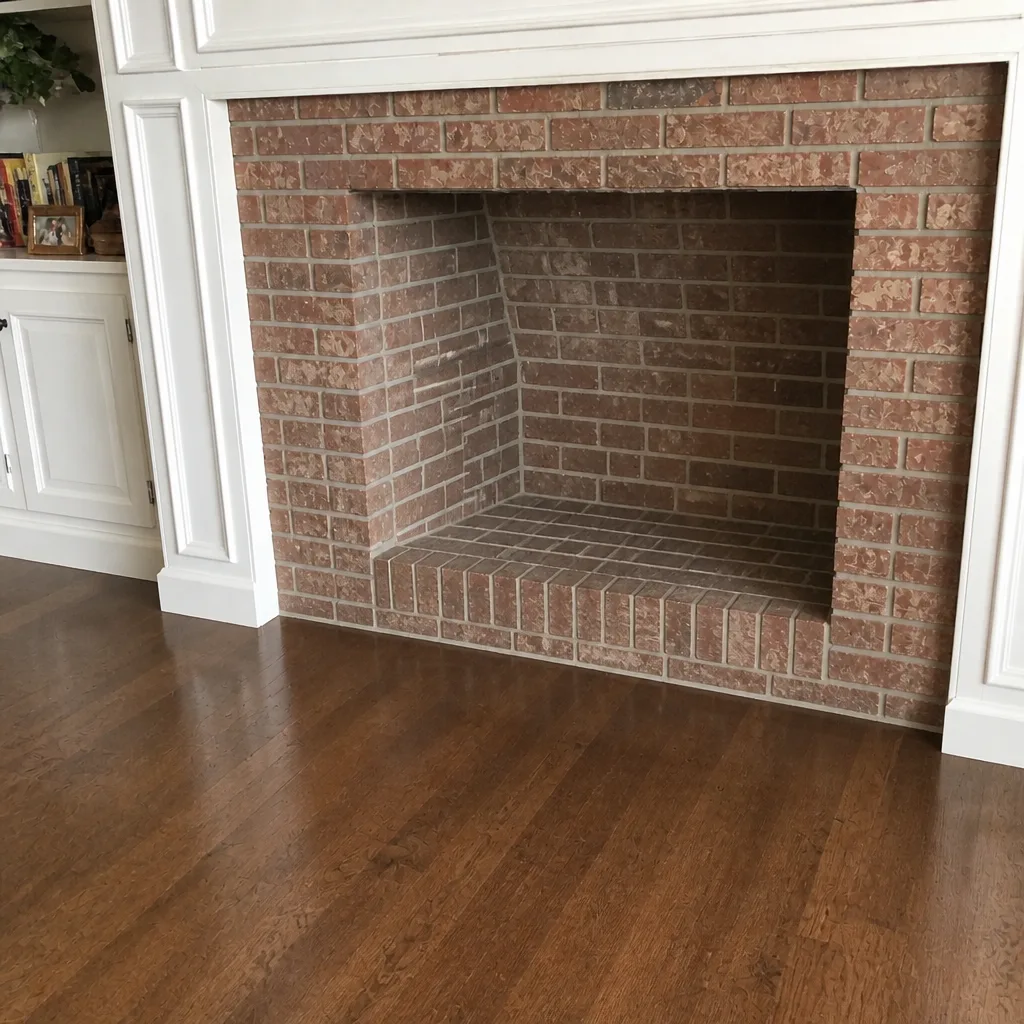 After
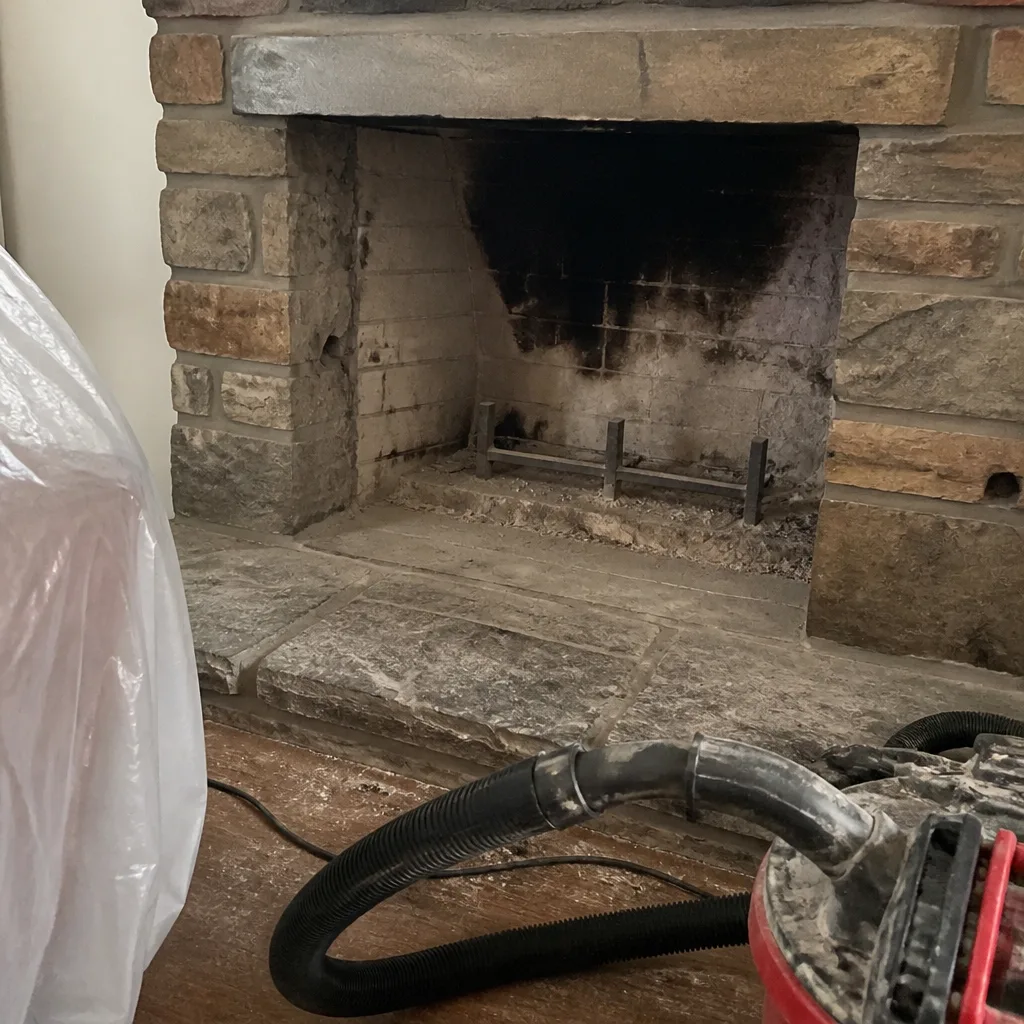 Before
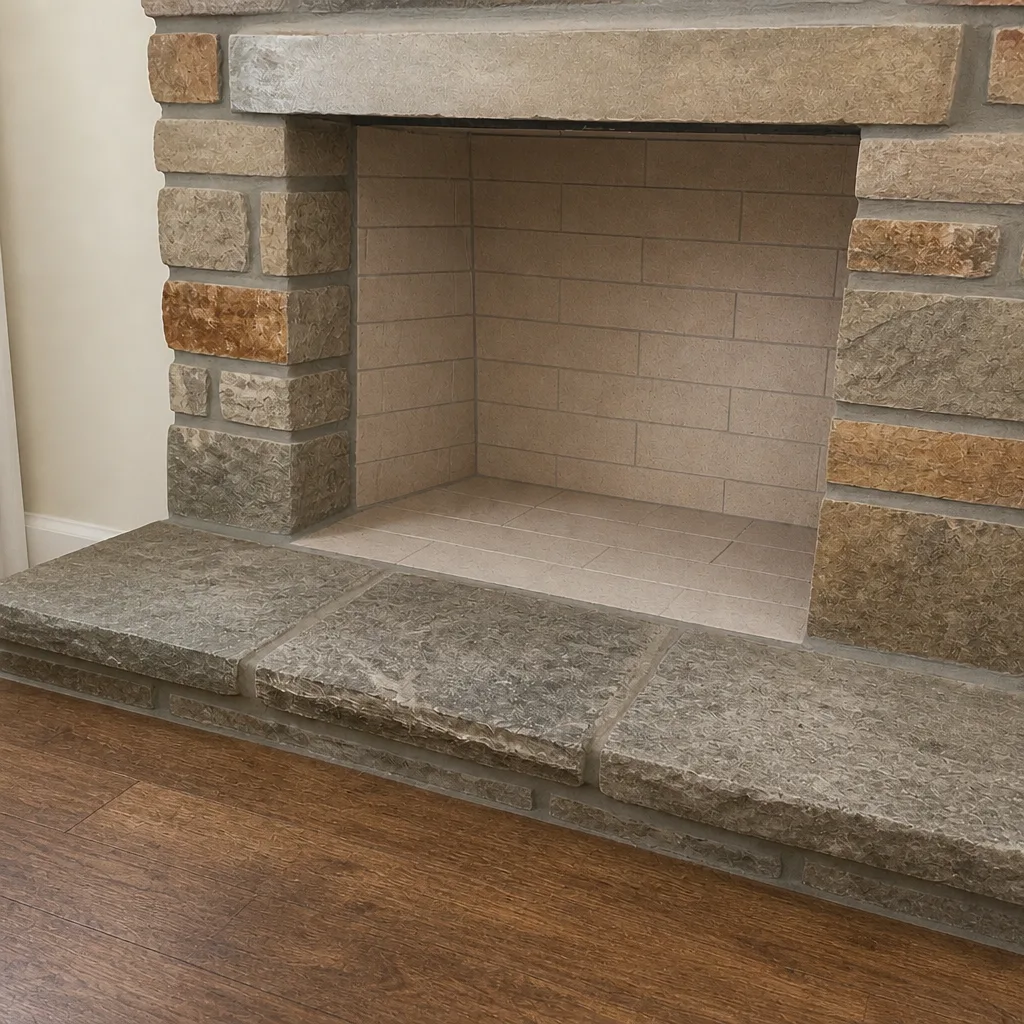 After
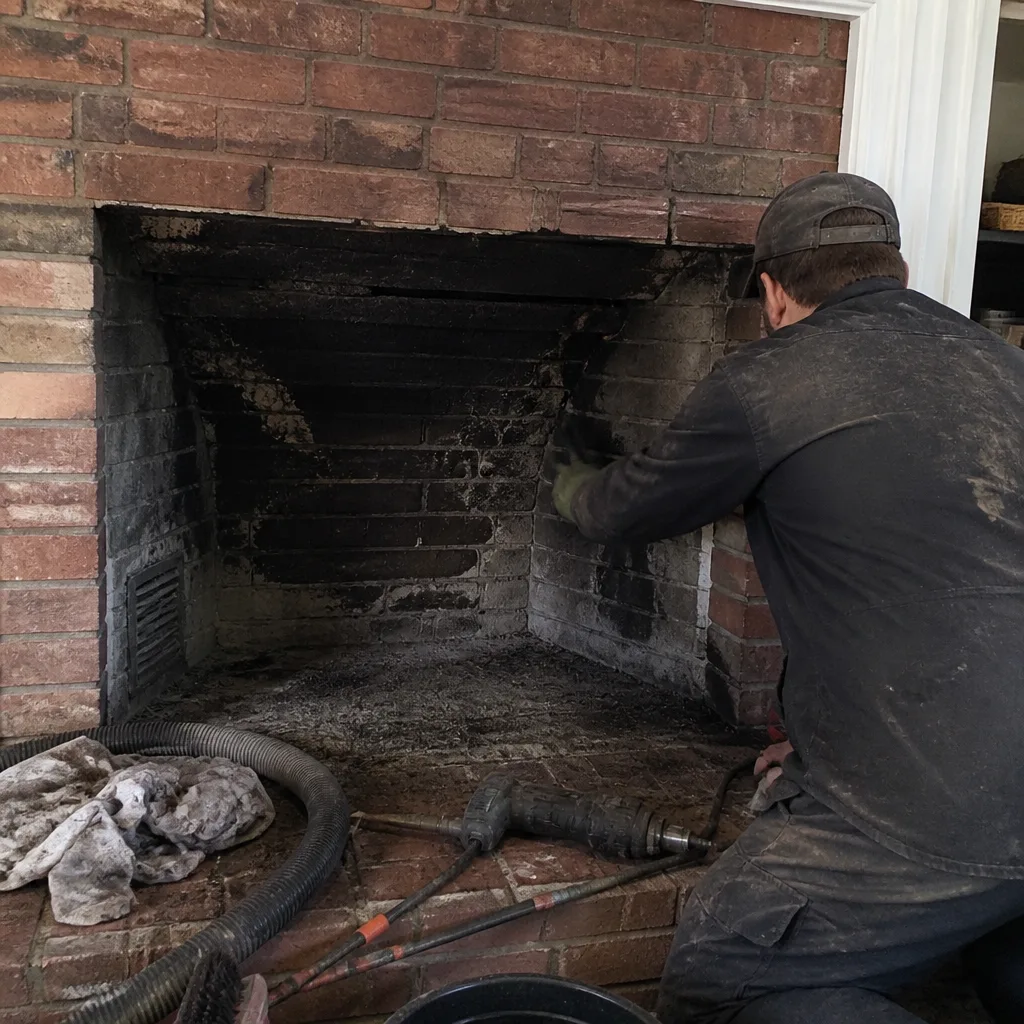 Before
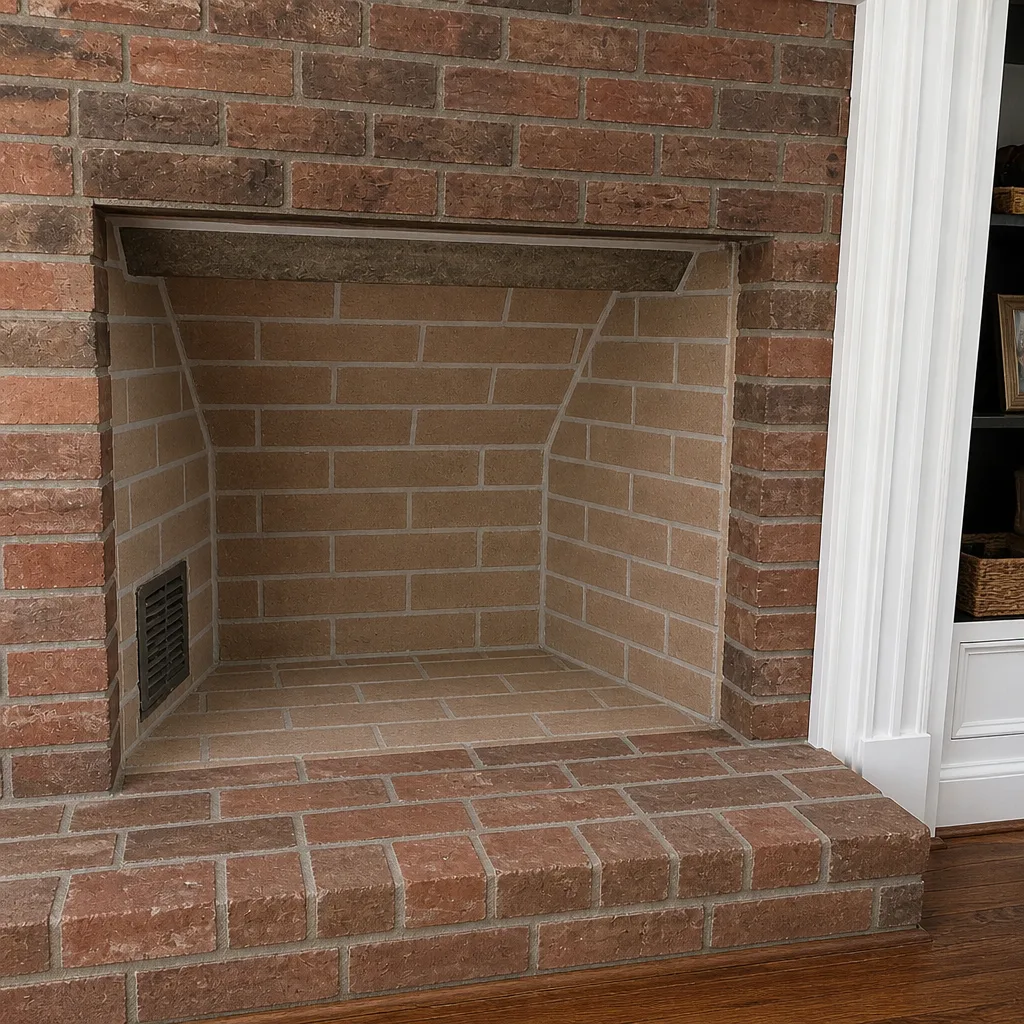 After
When to Call a Professional
Book a chimney professional in University City when any of these apply: your fireplace hasn’t been swept in a season or more, you smell smoke in the room when the fire is lit, you see cracked or crumbling mortar on the chimney crown, your cap is missing or damaged, or you’ve had a chimney fire in the past, even a small one. A creosote buildup problem is a fire risk, and carbon monoxide risk from a blocked or compromised flue is real, so anything that suggests a blockage or liner problem is a call-now situation rather than a wait-and-see. Chimney Sweep University City offers free estimates in University City and answers every question about the estimate before you book. Call (855) 658-5324.
Frequently Asked Questions
No. North Carolina does not require a license to perform chimney cleaning, which means anyone can legally offer the service. That’s why you should ask for CSIA certification and proof of general liability and workers’ comp insurance before you book anyone in University City.
A chimney sweep in University City is priced per job by a written estimate, and pricing in this market varies widely because there’s no licensing standard. The estimate is free, and the written estimate sets the final price. Call (855) 658-5324 for an exact quote – estimates are free.
Only if the camera inspection shows the liner is compromised, and you should see the evidence before any recommendation proceeds. Some liners can be restored with HeatShield ceramic resurfacing instead of full replacement, which saves cost. If the evidence doesn’t show a compromised liner, a repair that can wait should wait. Call (855) 658-5324 for an exact quote – estimates are free.
Most chimneys should be swept at least once a year before burning season, and more often if you burn wood heavily or notice draft problems. A sweep with a camera inspection catches buildup and liner wear before the season starts. Call (855) 658-5324 for an exact quote – estimates are free.
Creosote accumulates in the flue with each fire, and heavy buildup is a chimney fire risk. Skipping the sweep also means a developing liner or crown problem goes unseen until it’s more expensive to fix. Call (855) 658-5324 for an exact quote – estimates are free.
A specialist has inspection training and access to proper materials, so they can evaluate your liner and crown, not just clean the flue. We install DuraFlex flexible stainless liners and apply HeatShield resurfacing when the diagnosis calls for it, which is work a generalist can’t offer. Call (855) 658-5324 for an exact quote – estimates are free.
A free estimate includes an on-site look at your system, a camera inspection where appropriate, and a written scope of work. Nothing is recommended without camera evidence you can see, and the free estimate provides the priced scope of work before anything is booked. Call (855) 658-5324 for an exact quote – estimates are free.
The Bottom Line
Hiring a chimney contractor in University City comes down to verifying what the state won’t: certifications, insurance, and the ability to diagnose. Ask the five questions, watch for the red flags during the estimate, and hold any recommendation to camera evidence you can see for yourself. A sweep cleans; an inspection protects. The right contractor offers both, names the materials they’ll use, and tells you when a repair can safely wait. We answer 24/7 at (855) 658-5324, with fast dispatch from 7am to 7pm, Sunday through Friday, and we’re closed Saturday. The estimate is free, and the written estimate sets the final price. One call covers diagnostics through repair completion.
Whether you’re scheduling your first sweep in University City or comparing contractors after a high quote, we’re glad to answer questions before you book. Reach out through Chimney Sweep University City or call (855) 658-5324 to arrange a free estimate. Our technicians have up to 8 years of experience, and we treat every diagnosis the same way: show the evidence, explain the finding, and give you a straight answer on what needs fixing now.
Written by the team at Chimney Sweep University City.