
Last updated November 22, 2026
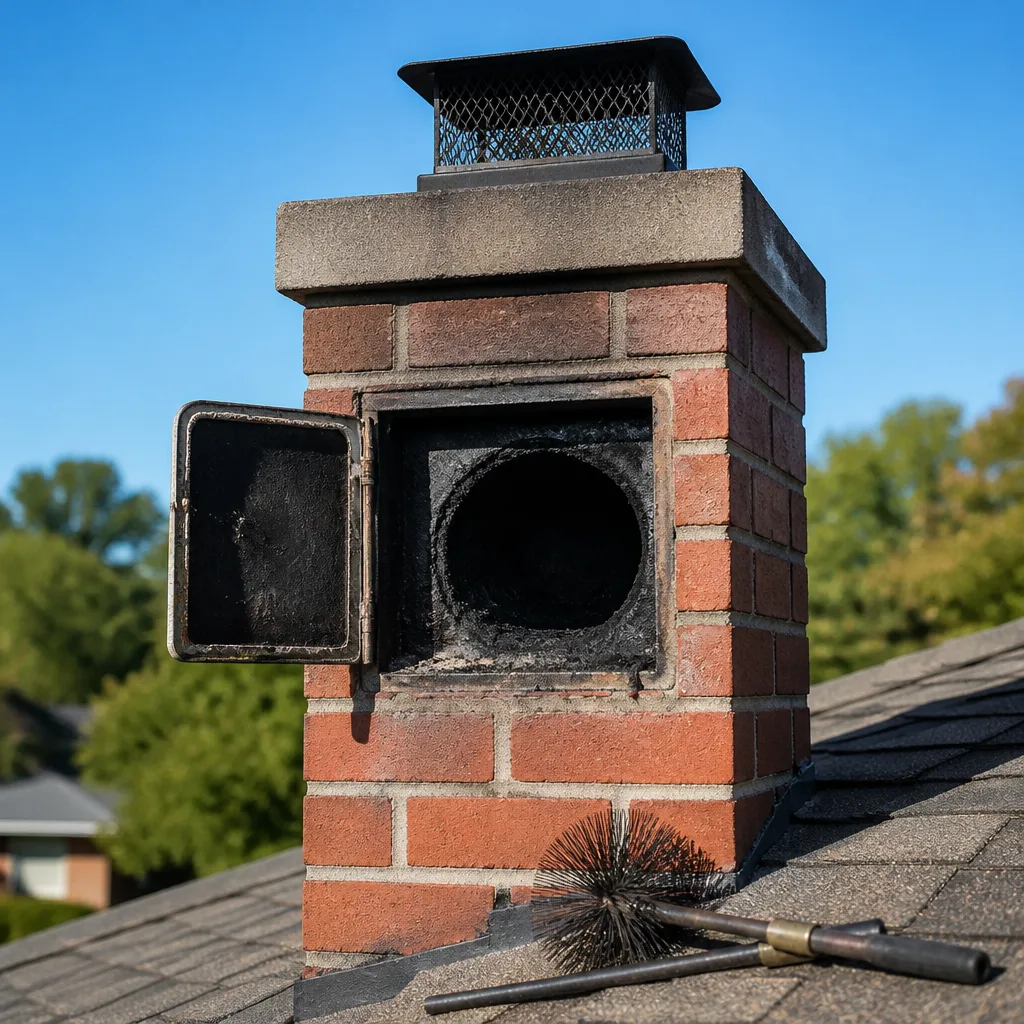 Sweep & inspection
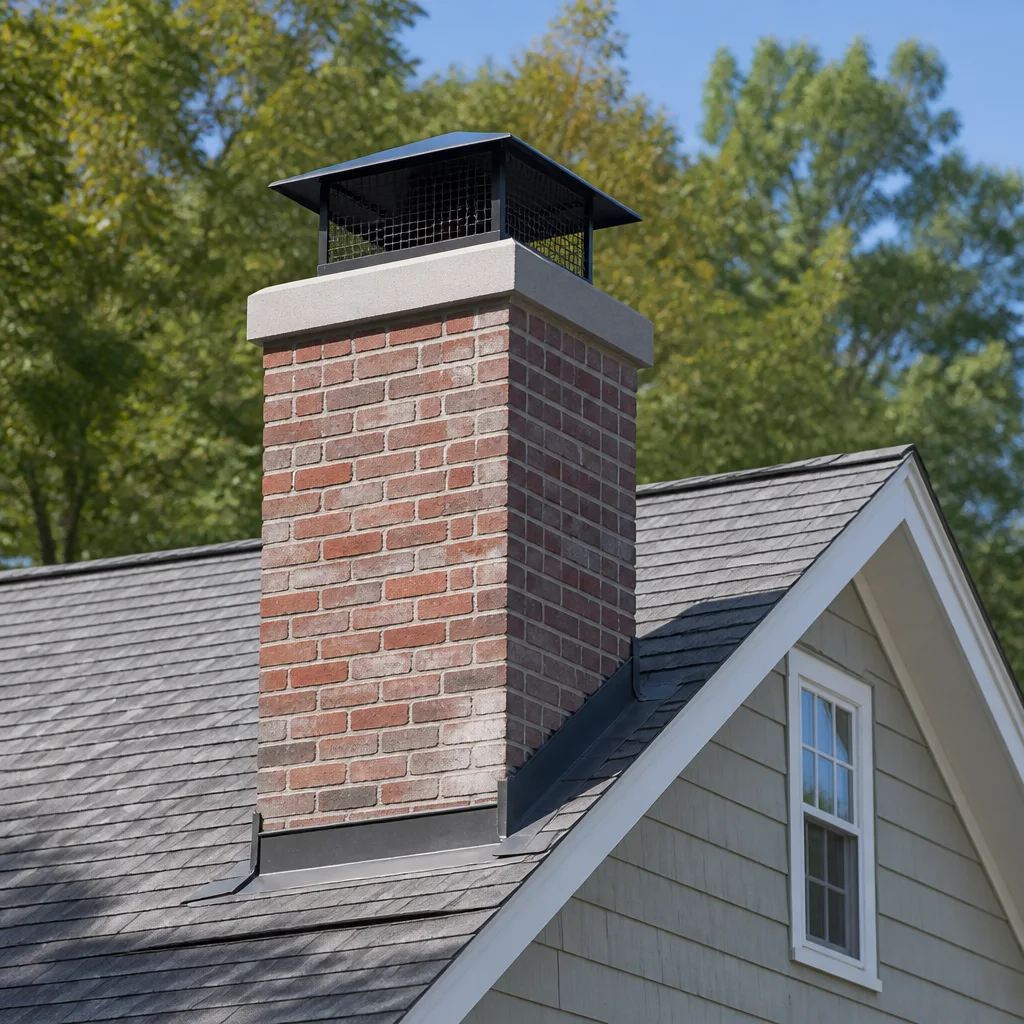 Caps & crowns
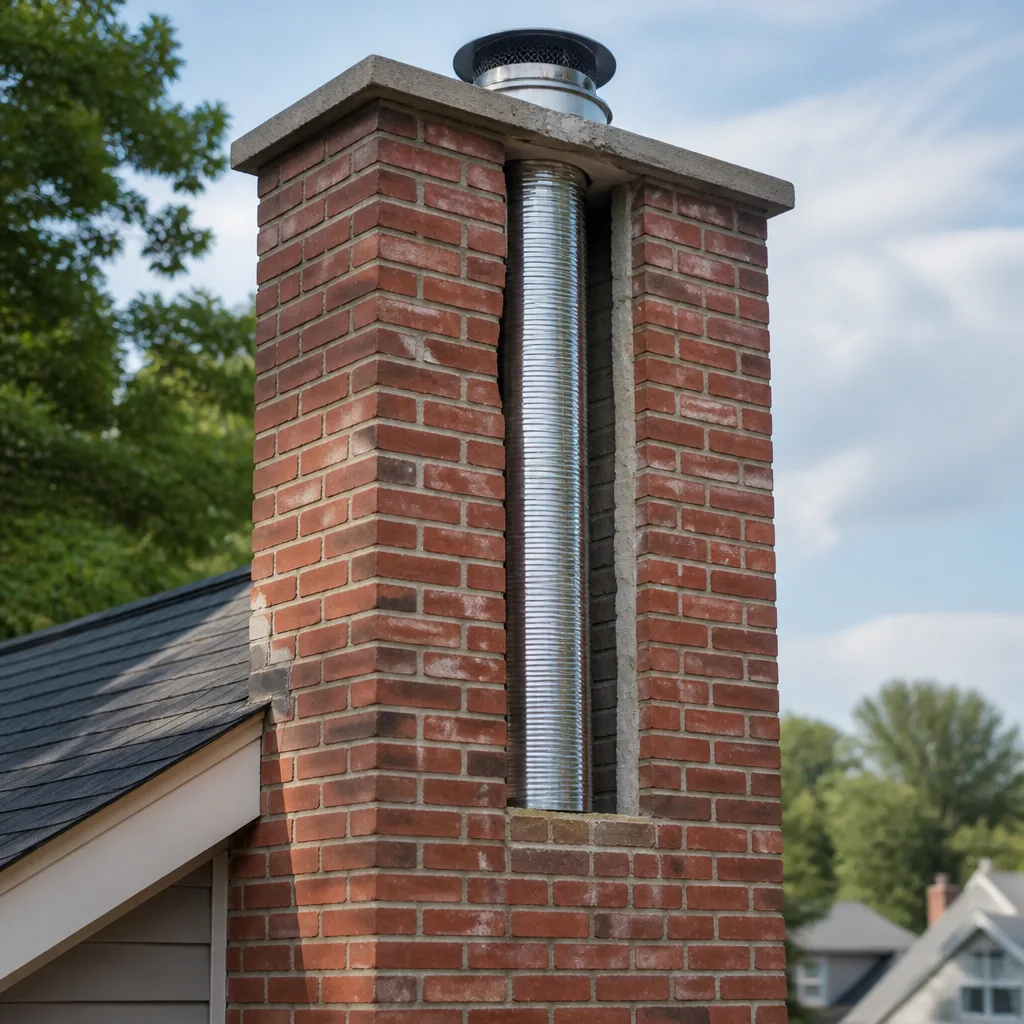 Flue relining
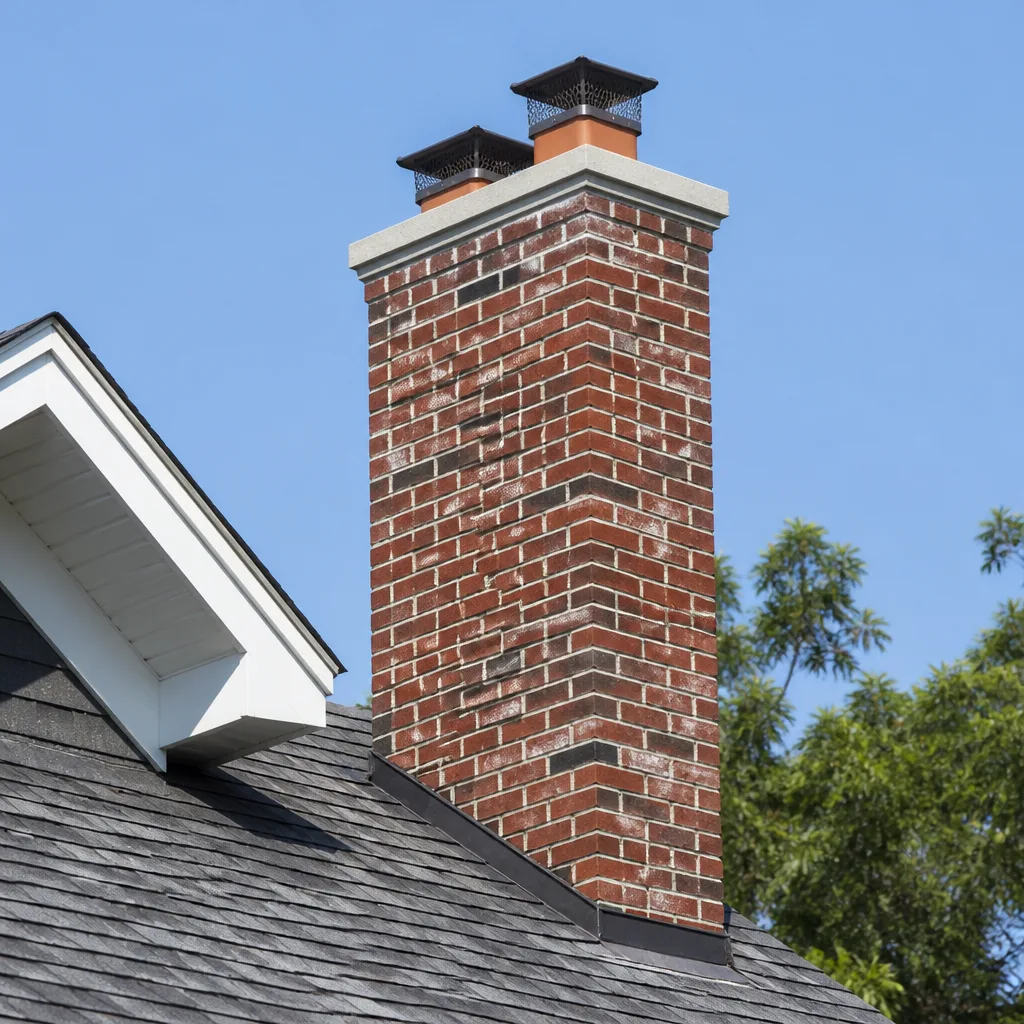 Masonry repair
 Gas fireplace service
Level 1 sweep and inspection to the NFPA 211 annual standard - flue, crown, cap, and flashing checked and photographed
Chimney sweep logs do not sweep chimneys. They loosen some creosote - which then falls where a brush and vacuum still have to collect it.
The Complete Guide to Chimney Cleaning in University City
Most chimney fires aren’t caused by neglect alone. They’re caused by homeowners who believed “cleaned last year” was enough without knowing what was actually checked. A brush run down a flue and a real evaluation of the firebox, smoke chamber, damper, and crown are two different visits, and in University City’s clay-heavy soils and humid Piedmont climate, the gap between them is where problems hide. This guide maps every phase of a professional chimney cleaning from flue access to written findings, so you know what a thorough job looks like and how to read the results.
Quick Answer
Chimney cleaning in University City is a diagnostic process, not just a brush-and-vacuum visit. A proper service includes sweeping the flue, documenting creosote stage and buildup, inspecting the firebox, smoke chamber, damper, cap, and crown, and leaving you with a written report of findings. The cleaning itself usually takes 45 to 90 minutes, and the inspection is what tells you whether anything else needs attention now or can safely wait.
Styles & brands we work with
- Sweep & inspection
- Caps & crowns
- Flue relining
- Masonry repair
- Gas fireplace service
Table of Contents
- Why University City Chimneys Work Harder Than You’d Expect
- Cleaning Visit vs. Cleaning-Plus-Inspection: The Difference That Matters
- What a Qualified Sweep Should Arrive With
- How a Professional Cleaning Runs, Step by Step
- How to Read Your Written Sweep Report
- Fuel Choice in University City: Oak, Pine, and What They Do to Your Flue
- What Chimney Cleaning Costs in University City
- When to Call a Professional
Why University City Chimneys Work Harder Than You’d Expect
Creosote doesn’t build up at a uniform rate everywhere. It forms in three stages, and the speed at which it moves from stage one (flaky, soot-like) to stage two (dense, crusty, tar-like) and stage three (glossy, hard glaze) depends on moisture, temperature cycling, and fuel. In University City and the surrounding Piedmont, the humidity and the swing between warm days and cool nights keep flues damp longer than in drier climates, and damp flue surfaces give creosote something to cling to. That’s why a homeowner who moves here from a dry part of the country sometimes finds stage two buildup faster than the schedule they were used to.
The soil plays a part too. Clay-heavy soils hold moisture around foundations and chimney bases, so masonry at the bottom of the stack stays wetter longer after rain. Wet masonry pulls heat out of the flue, which lowers exhaust temperatures and increases condensation of creosote vapors on the inner walls. None of this means every University City chimney is in trouble. It means the cleaning interval isn’t something to guess at.
Predominant local hardwoods matter as well. A lot of homes here burn oak, hickory, and maple, all of which season well and burn hot when properly dried. Pine burns hotter and faster but carries more sap and leaves more residue per cord. We’ve seen fireboxes that were clearly burning a mixed load, and the flue reflects it.
What this means for you: the calendar isn’t the schedule. The flue is. A visual check at the start of each burning season tells you more than a reminder on your phone. If you’re starting the process fresh, a professional chimney sweep in University City is the first step, and the inspection that follows tells you what actually needs attention.
Cleaning Visit vs. Cleaning-Plus-Inspection: The Difference That Matters
A cleaning visit removes what’s in the flue. A cleaning-plus-inspection visit removes what’s in the flue and tells you what’s happening in the parts you can’t see from the hearth. Those are two different services, and conflating them is one of the most common gaps we see.
Here’s what a cleaning-only visit typically covers:
- Brushing the flue from above or below, depending on access
- Vacuuming with HEPA filtration to keep dust out of the house
- Removing soot and creosote from the firebox floor
- Clearing the smoke shelf and damper area
And here’s what the inspection portion adds:
- Evaluating creosote stage and thickness along the full flue length
- Checking the smoke chamber and smoke shelf for debris and gaps
- Examining the damper for operation and seal
- Inspecting the cap, crown, and flashing from the roof
- Looking for cracks in the flue tiles or gaps in the liner
- Documenting findings in writing, often with photos
A sweep without the inspection tells you the flue is cleaner than it was. It doesn’t tell you whether the liner has a crack that carbon monoxide could pass through, or whether the crown has a hairline fracture letting water into the masonry. In University City’s humidity, that crack becomes a bigger repair with each wet season. The cleaning is maintenance. The inspection is the diagnostic. If you have an open fireplace and want the firebox side checked at the same time, we handle fireplace repair as a separate scope, so the report and the repair work come from one source.
What a Qualified Sweep Should Arrive With
You can learn a lot about the quality of a chimney service before any work begins by looking at what comes through the door. A sweep who arrives with a single hand brush and a shop vacuum isn’t equipped for the range of flues found in University City homes, which include older masonry stacks, offset flues, and a mix of liner types.
Here’s the equipment list a professional sweep should carry:
- Rotary cleaning systems for glazed stage three creosote that hand brushes can’t cut through
- Hand brushes in matched sizes for the actual flue dimensions, not a one-size approximation
- A HEPA vacuum to contain soot and prevent it from migrating into living spaces
- Inspection camera equipment so the flue interior can be seen and documented, not guessed at
- Drop cloths and floor protection for the hearth and access path
- A flashlight and mirror set for the smoke chamber and damper
- Written documentation materials so findings leave with you, not just in the technician’s memory
Rotary systems matter specifically because creosote stage three, the glazed, hardened layer, won’t come off with a brush alone. If a sweep shows up without rotary capability and the flue is glazed, the job either doesn’t get finished or gets postponed. Asking ahead about equipment is reasonable and most technicians will answer without hesitation.
How a Professional Cleaning Runs, Step by Step
Every chimney is a little different, but a thorough cleaning in a University City home follows a predictable sequence. Knowing the steps helps you ask good questions and recognize when something is being skipped.
- Walkthrough and protection. The technician inspects the firebox and damper opening, then lays drop cloths over the hearth and the path to the door.
- Setup of containment. A HEPA vacuum runs throughout the job, and the firebox opening is sealed with a collection system so soot stays in the work area.
- Flue access. Depending on the home, access comes from the roof or through the firebox. Both are valid when done with the right equipment.
- Creosote removal. Brushes and rotary tools are sized to the flue and worked through the full length, from the top down or bottom up.
- Smoke chamber and shelf. The area above the damper collects debris and is cleaned and checked for gaps.
- Damper check. The damper is operated through its full range and checked for a proper seal.
- Exterior check. Cap, crown, and flashing are examined from the roof for cracks, loose fasteners, or animal activity.
- Cleanup and documentation. The work area is cleaned to its original condition, and the technician walks you through what was found and leaves a written report.
Steps four through seven are where the real diagnostic value lives. Steps one and eight are what separate a professional visit from a quick one. If any of these is skipped, ask why before the technician leaves.
How to Read Your Written Sweep Report
A written report is only useful if you can interpret it. Reports come in different formats, but they generally separate findings into three buckets: what needs action now, what needs monitoring, and what’s in good condition. The categorization matters more than the vocabulary.
Findings that usually require immediate action:
- Cracks or gaps in the flue liner or flue tiles
- Stage three glazed creosote in quantities that can’t be safely brushed out
- A damaged or missing cap that allows water and animals in
- A crown with cracks wide enough to admit water into the masonry
- Blockages from nests, debris, or collapsed liner sections
Findings that usually call for monitoring:
- Stage one or light stage two creosote, which is normal between cleanings
- Minor surface rust on a cap or damper
- Early hairline weathering on a crown that isn’t yet admitting water
- Efflorescence (white staining) on exterior masonry, which indicates moisture but not always active failure
Ask the technician to show you what they found, whether by photo or by pointing it out on the spot. If a finding isn’t visible to you, it should be described clearly enough to understand. Our approach with every University City homeowner is the same: we show you what it is and give you a straight answer on whether it needs fixing now.
Fuel Choice in University City: Oak, Pine, and What They Do to Your Flue
The wood you burn affects how often your flue needs attention, and the difference is significant enough to plan around. Hardwoods like oak, hickory, and maple, when properly seasoned, burn hot and clean and produce less creosote per cord. Softwoods like pine burn hotter and faster but carry more sap and leave more residue. Neither is wrong to burn; they just require different cleaning intervals.
What matters most isn’t hardwood versus softwood. It’s moisture content. Wood that hasn’t dried enough spends its first energy boiling off water instead of producing heat, which cools the exhaust and drives creosote condensation onto the flue walls. In the Piedmont humidity, firewood left stacked in the open often doesn’t reach a good burn until it’s been split and stacked under cover for a full season. There’s an easy way to test it without a meter: knock two split pieces together and listen. A sharp crack means it’s dry. A dull thud means it isn’t yet.
Practical guidance for University City homes:
- Split and stack at least one full season ahead of burning
- Keep the stack covered on top but open on the sides for airflow
- Store the wood you’ll burn next off the ground and away from the house
- Mix hardwoods as the base load and use pine for kindling and quick heat
- Clean more often if you burn a high proportion of softwood
If your stack has been sitting uncovered through the wet months, plan a cleaning check before the next burning season starts. The fuel you choose changes the schedule, and the schedule should change with it.
What Chimney Cleaning Costs in University City
Chimney cleaning in University City is priced per job by written estimate, because the work varies with flue access, creosote stage, and whether the job includes inspection. That said, it helps to know the general shape of the cost before you call.
A typical cleaning visit runs from the entry level up through a mid range, depending on a few factors:
- Flue access and configuration – offset flues and rooftop-only access take more time
- Creosote stage and thickness – stage three glazed creosote needs rotary work, which takes longer
- Whether inspection is included – a cleaning-plus-inspection visit is a broader job than a cleaning alone
- Number of flues – a fireplace with a separate furnace flue is two systems, not one
We recommend asking two questions when you call any chimney service. First: is the inspection included or separate? Second: will you show me what you found before recommending work? The answers to those two questions tell you more about the service than the price alone. If a repair is recommended, materials matter, and we work with professional-grade brands like HeatShield, DuraFlex, and Gelco because the long-term performance of the repair depends on them. A chimney cap and crown are treated as preventive work, not an upsell, and you can read more about that in our overview of chimney cap & crown work. For an exact number, a written estimate is the answer, and ours are free.
Common Mistakes to Avoid
- Assuming last year’s cleaning still counts. The calendar isn’t the schedule; the flue is. In University City’s humidity, creosote can advance from stage one to stage two faster than a twelve-month interval suggests, so a quick visual check at the season’s start is worth more than a date on a sticker.
- Booking a cleaning without an inspection. A brush in the flue doesn’t reveal a cracked liner or a failing crown. Ask in advance whether the inspection is part of the visit, and if it’s separate, book it separately.
- Burning unseasoned wood to save a season of drying. Wet wood cools the exhaust and accelerates creosote buildup, which shortens the cleaning interval and can mean a rotary job instead of a simple brush. Split ahead and store under cover.
- Hiring on price alone. A sweep without rotary capability or HEPA vacuuming isn’t cheaper in the long run; the glazed creosote stays, or the job gets redone. Equipment matters more than the estimate.
- Ignoring a damaged cap or crown until the masonry fails. A missing cap or a cracked crown lets water into the masonry, and in University City’s clay-heavy soils that moisture doesn’t drain or dry quickly. Small repairs get cheaper the sooner they’re made.
- Attempting stage three creosote removal yourself. Glazed creosote is hard, tar-like, and cannot be safely removed with household tools, and roof access with no fall protection is a real hazard. Leave the flue interior to a trained professional.
- Skipping the report. If the technician doesn’t leave written findings, you have no record of what was in scope and what wasn’t. Ask for the report before the technician leaves.
When to Call a Professional
Call a professional chimney sweep when any of these apply:
- You can’t remember the last time the flue was cleaned, or the date is unverifiable
- You notice a strong, smoky, or tar-like odor from the fireplace even when it isn’t in use
- Smoke rolls back into the room instead of drawing up the flue
- You see black, crusty, or glossy buildup on the firebox walls or at the top of the firebox opening
- There’s visible cracking, rust, or damage to the cap or crown
- You’ve moved into a home in University City and don’t know its chimney history
- A trained professional hasn’t inspected the liner since you’ve owned the home
Chimney Sweep University City offers free estimates in University City. Call (855) 658-5324. We answer 24/7. Fast dispatch from 7am to 7pm, Sunday through Friday.
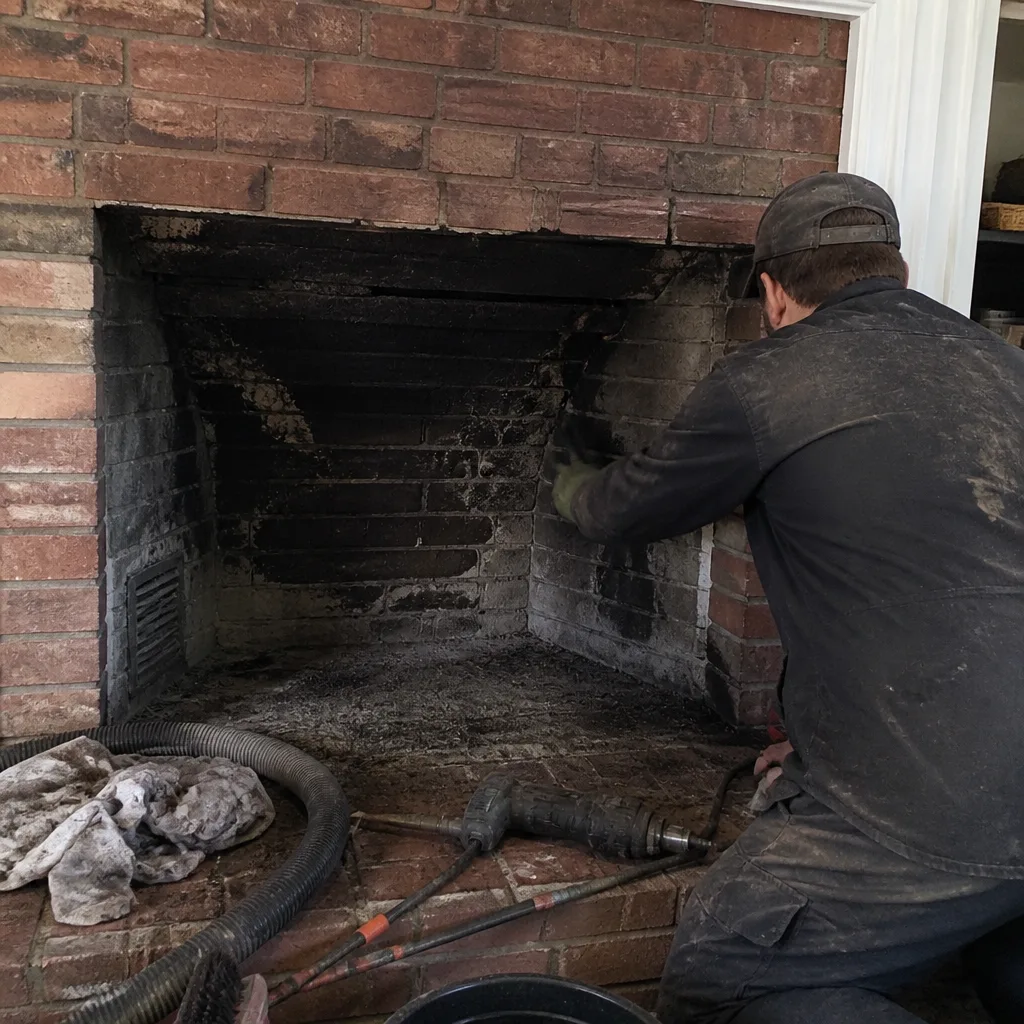
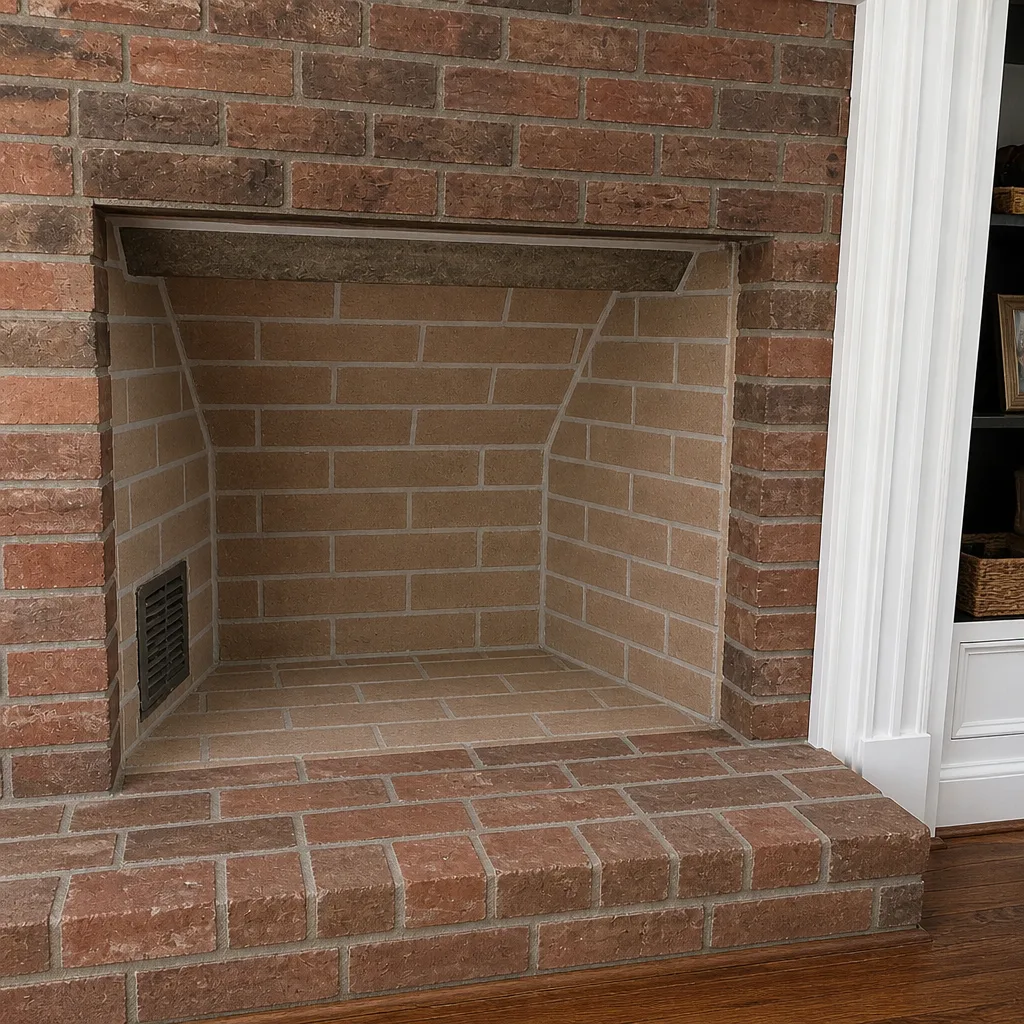
See the difference
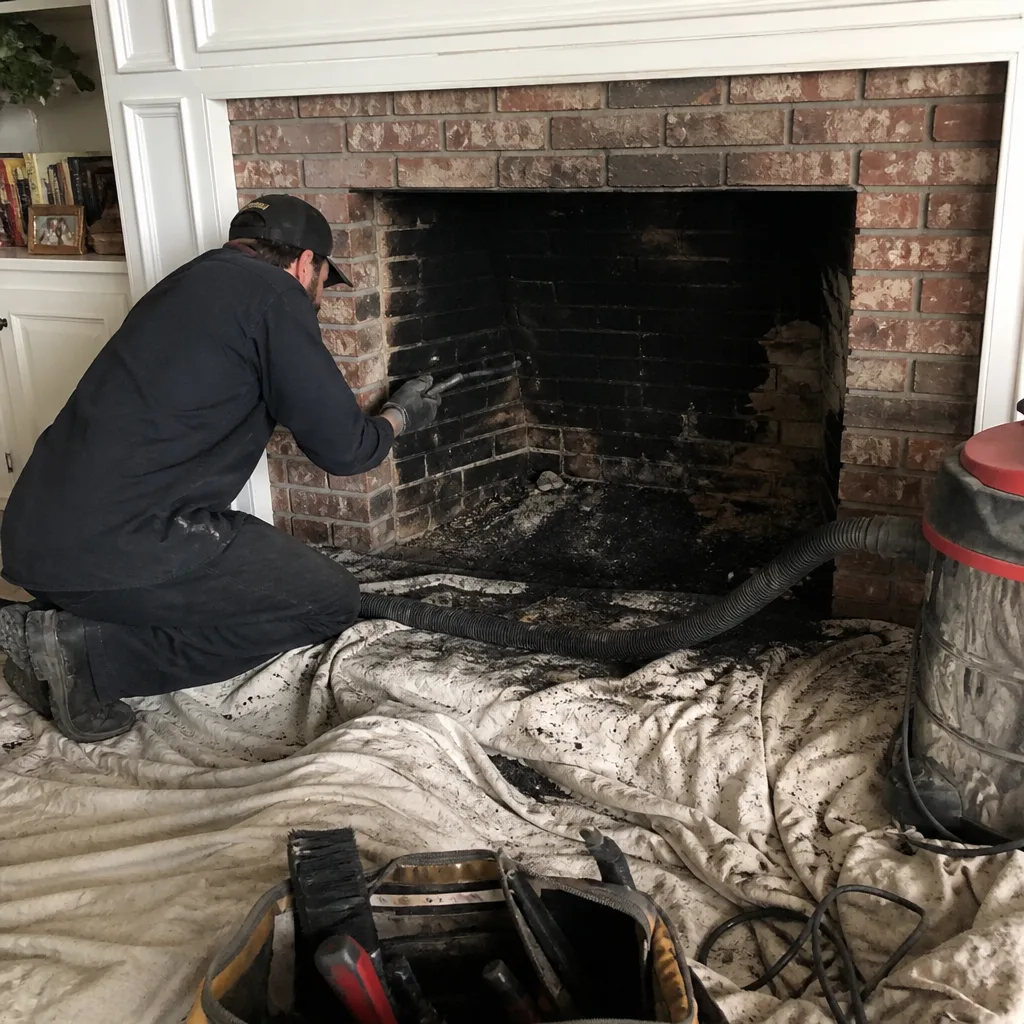 Before
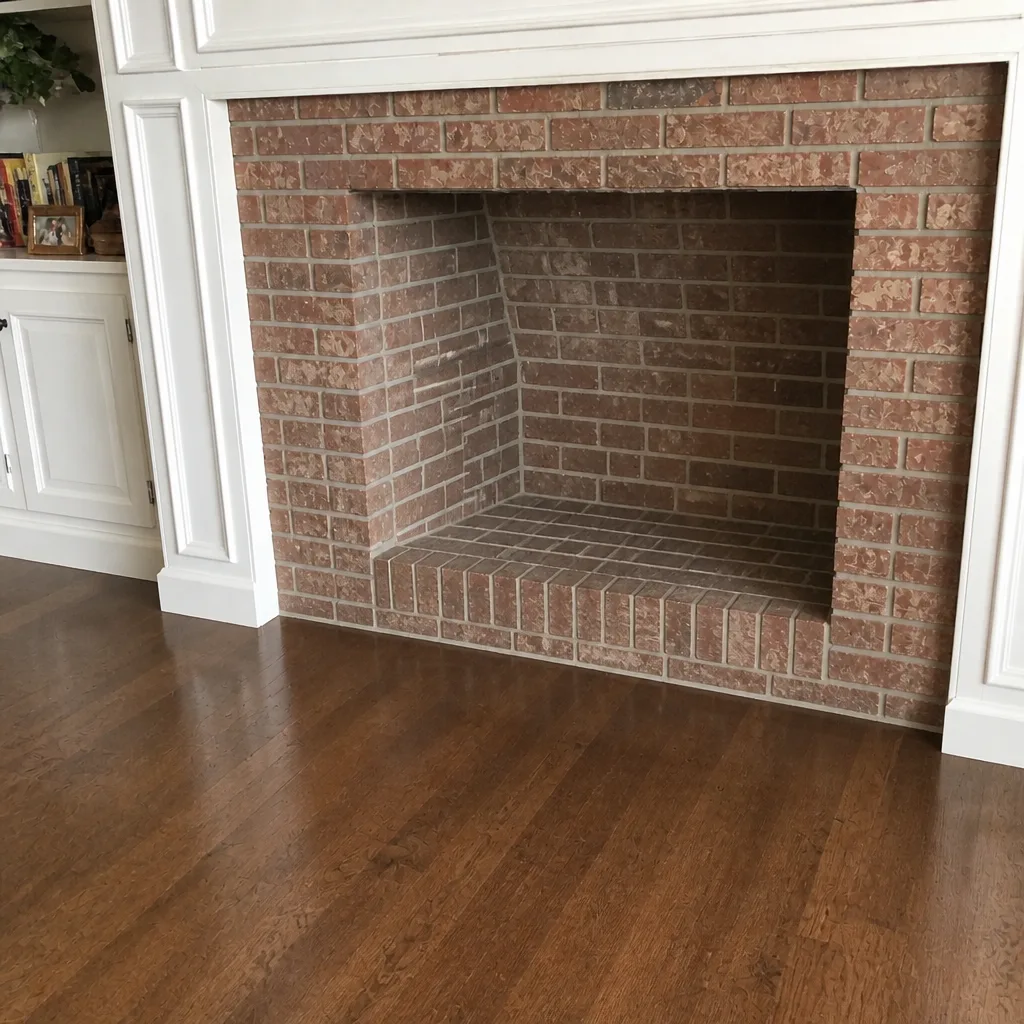 After
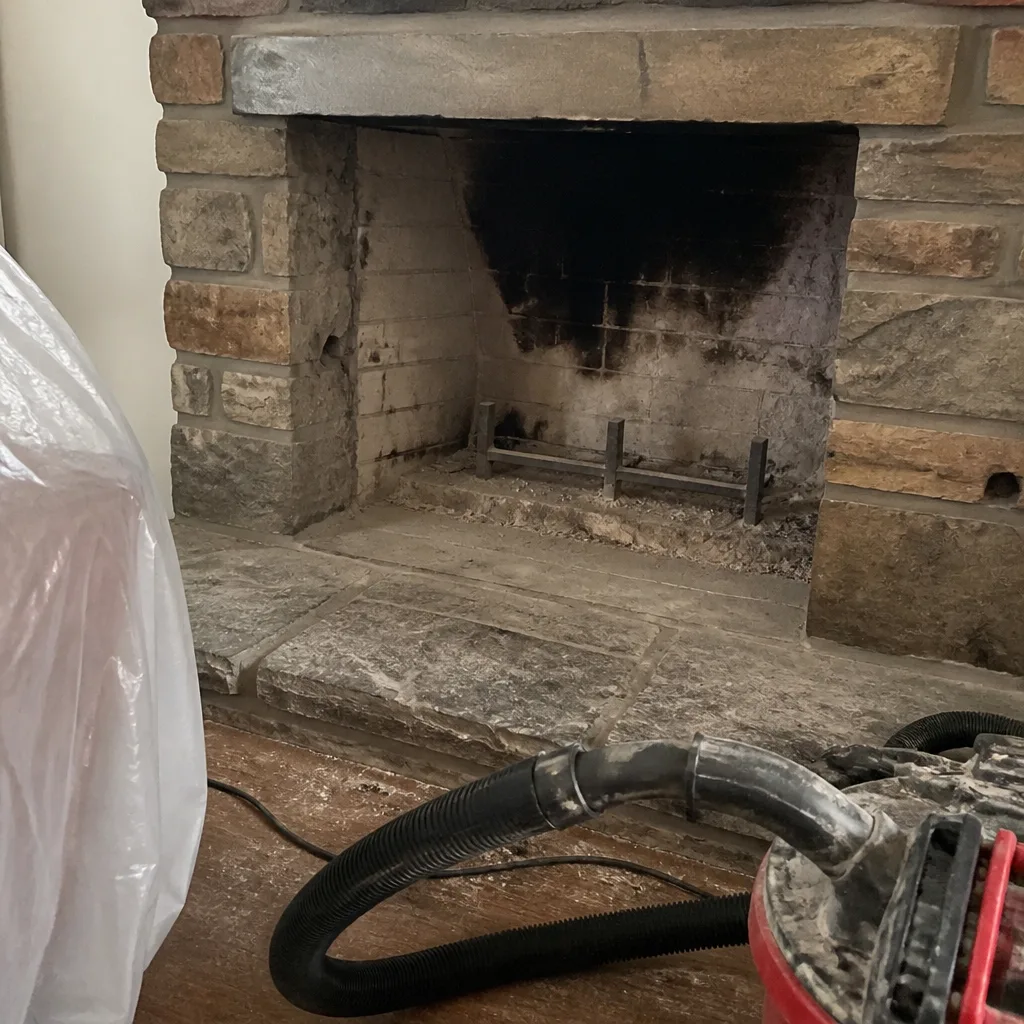 Before
 After
 Before
 After
Frequently Asked Questions
Most University City chimneys should be cleaned once a year if they’re used regularly, but the calendar is a starting point, not a rule. Piedmont humidity and the mix of hardwoods and softwoods burned locally can speed creosote buildup, so a visual check at the start of the burning season is the safer guide. If you burn pine heavily, or your wood isn’t fully seasoned, you may need a cleaning before the annual mark.
Skipping a cleaning lets creosote accumulate, and at stage three it becomes a glazed, tar-like layer that’s difficult to remove and poses a serious chimney fire hazard. A blocked or restricted flue also prevents proper venting, which can push smoke and carbon monoxide back into the home. The cost of a cleaning is small compared to the cost of a chimney fire or a liner replacement. Call (855) 658-5324 for a free estimate.
Not always. Many older flues can be restored with HeatShield ceramic resurfacing, which rebuilds the liner’s interior surface without removing and replacing the whole system, and in many cases that’s the more economical path. But the decision should rest on what the inspection finds, not on a recommendation made without evidence. We show you the camera findings and explain the options before recommending either route.
A qualified sweep should arrive with rotary cleaning systems sized to the flue, hand brushes matched to the dimensions, a HEPA vacuum, inspection camera equipment, and drop cloths. Rotary capability matters because stage three glazed creosote won’t come off with a brush alone. If the equipment list is thin, ask before work begins whether the job is within scope.
Sometimes, but it depends on the damage. A hairline crack in the crown that isn’t yet admitting water can often be monitored. A cap with missing mesh, a crown with fractures wide enough to admit water, or flashing that has pulled loose should be repaired before the wet season, because water damage to masonry in University City’s clay-heavy soils doesn’t dry quickly. The report will tell you which category your finding falls into.
No. A cleaning removes what’s in the flue; an inspection evaluates the condition of the flue, liner, smoke chamber, damper, cap, and crown, and documents findings in writing. Many chimney services offer cleaning without a full inspection, and that leaves real gaps. Ask in advance whether inspection is included, and if it’s separate, book both.
The Bottom Line
A chimney cleaning in University City is a diagnostic process, not a brush-and-vacuum ritual. The humidity, the clay soils, and the local mix of hardwoods and softwoods all push creosote through its stages faster than a calendar-only schedule accounts for. What matters is what a trained technician actually checks – the flue, the liner, the smoke chamber, the damper, the cap, the crown – and whether you get written findings you can read and act on. Ask about equipment. Ask whether inspection is included. Ask for the report. Those three questions separate a thorough job from an incomplete one.
Contact
If you’re ready to schedule a cleaning or inspection anywhere in University City, call us at (855) 658-5324 for a free estimate. We answer 24/7. Fast dispatch from 7am to 7pm, Sunday through Friday. From the firebox floor to the chimney crown, we service the entire system.
Written by the team at Chimney Sweep University City.